With more than 10‑year industry experience, Shandong Headpowder delivers full‑service pneumatic‑conveying systems and blowers, undertaking nationwide turn‑key powder‑handling projects.
For industrial applications requiring efficient and reliable transport of polyethylene powder, the pneumatic conveying system offers a sophisticated solution. This document outlines the comprehensive system design, technical specifications, and benefits tailored for polyethylene powder handling, presented by Shandong HeadPowder Engineering Co., Ltd., a leading provider based in China.
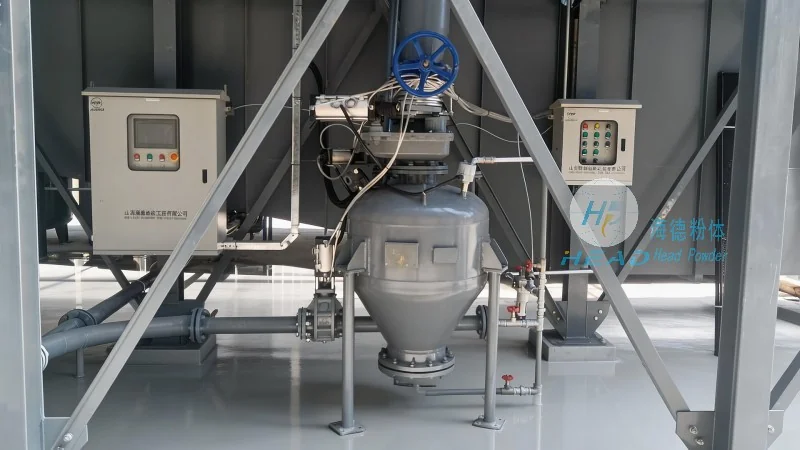
HeadPowder, formally known as Shandong HeadPowder Engineering Co., Ltd., is a specialized engineering firm headquartered in Shandong, China. With a focus on material handling and process automation, the company has developed expertise in designing and implementing pneumatic conveying systems for various powder materials, including polyethylene. The company's commitment to quality, innovation, and customer satisfaction drives the development of tailored solutions that meet the unique demands of industrial operations.
The polyethylene powder pneumatic conveying system is engineered to handle the specific characteristics of polyethylene powder, such as its density, flowability, and potential for static charge accumulation. The system typically comprises several key components: a feeding hopper to control material flow, a positive displacement blower or rotary lobe pump to generate the necessary air pressure, a conveying line (often equipped with bends and filters to maintain system efficiency), and a receiving hopper or storage silo. The design may include features like static elimination devices and dust collection systems to ensure safe and clean operation. The system is built to accommodate varying flow rates and distances, from short-distance transport within a facility to long-distance transfer between production and storage areas.
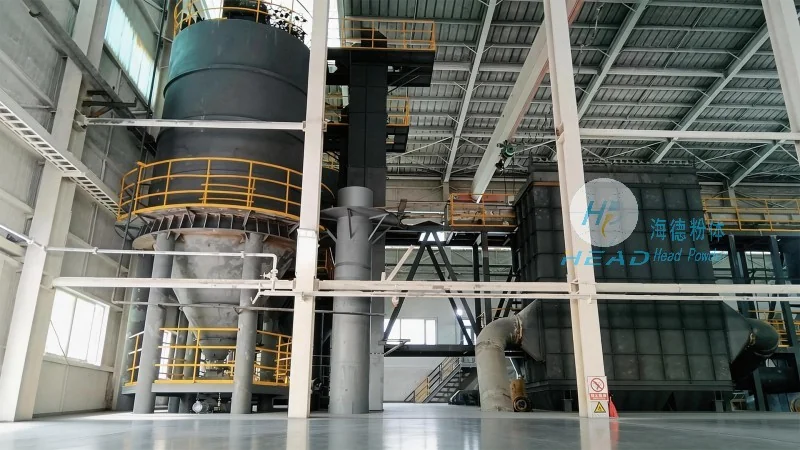
Implementing a pneumatic conveying system for polyethylene powder offers numerous advantages over traditional mechanical conveying methods. Firstly, it eliminates the need for moving parts in contact with the powder, reducing wear and maintenance costs. The system also minimizes product contamination, as the material is conveyed in an enclosed environment, preventing exposure to external contaminants. Additionally, pneumatic conveying allows for flexible routing, enabling the system to adapt to changes in facility layout or production requirements. The technology is particularly effective in preventing product degradation due to friction or exposure to air, which is critical for polyethylene powder that may be sensitive to environmental factors. Furthermore, the system can integrate with existing production lines, providing a seamless solution for material transfer without disrupting ongoing operations.
The polyethylene powder pneumatic conveying system is suitable for a wide range of applications within the plastics and chemical industries. Common uses include transporting polyethylene from bulk storage to processing equipment, moving powder between mixing and extrusion units, and transferring material from production lines to packaging or shipping areas. The system can be customized to meet specific operational needs, such as varying flow rates, pressure requirements, or the integration of additional processing steps like drying or blending. Customization may also involve the selection of different materials for components to ensure compatibility with polyethylene powder, including corrosion-resistant options for wet or humid environments. The system can be designed for both batch and continuous operation, depending on the production schedule and material handling requirements.
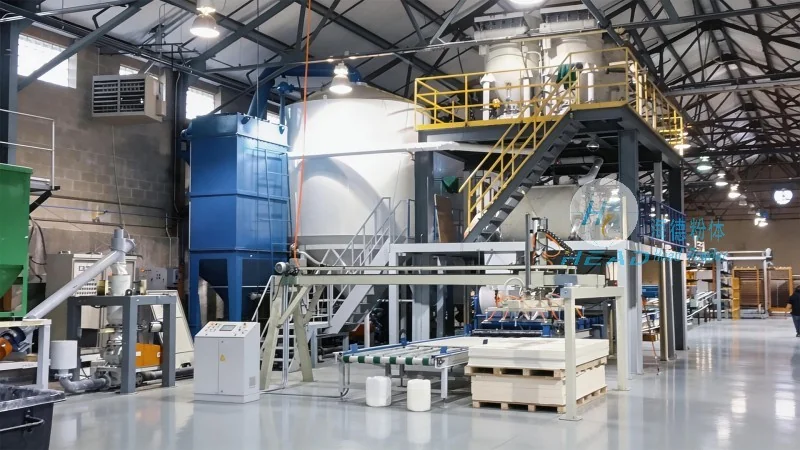
The performance of the polyethylene powder pneumatic conveying system is defined by several technical specifications. The system is typically rated based on the maximum conveying capacity, which can range from several kilograms per hour to several tons per hour, depending on the design. The air pressure required for operation is another critical parameter, often ranging from 0.5 to 2 bar, with higher pressures used for longer or more complex conveying distances. The system's efficiency is measured by the specific power consumption, which indicates the energy required to transport a unit weight of material. Typical efficiency values for polyethylene powder systems are around 0.2 to 0.5 kW·h per ton of material, reflecting the system's ability to minimize energy usage. The system also includes safety features such as pressure relief valves, overcurrent protection, and monitoring systems to ensure safe and reliable operation. The design life of the components, particularly the conveying line and blower, is typically 10 to 15 years with regular maintenance, ensuring long-term operational reliability.
Shandong HeadPowder Engineering Co., Ltd. provides comprehensive polyethylene powder pneumatic conveying system solutions that address the unique challenges of handling this material. By leveraging advanced engineering and tailored design, the company delivers systems that enhance operational efficiency, reduce costs, and ensure product quality. The solutions are adaptable to various industrial applications and can be customized to meet specific requirements, making them a reliable choice for businesses seeking to optimize their polyethylene powder handling processes.

 Shandong Headpowder Engineering Co., Ltd.
 156-6277-7102(Manager Zhang)
  0531-83386006
  Zhangqiu District, Jinan City, Shandong Province, China
telephone
WeChatconsult
top