

Preventing Pipeline Blockages in Pneumatic Conveying Systems for Plastic Pellet Transport: Key Desig
Efficient and reliable material handling is crucial in the plastic manufacturing industry, especially when dealing with plastic pellets. Pneumatic conveying systems have emerged as a popular solution for transporting these materials due to their flexibility and ability to handle various particle sizes. However, a common challenge in such systems is the risk of pipeline blockages, which can lead to operational disruptions and increased maintenance costs. Understanding and implementing the right design parameters are essential to mitigate these risks and ensure smooth operation.
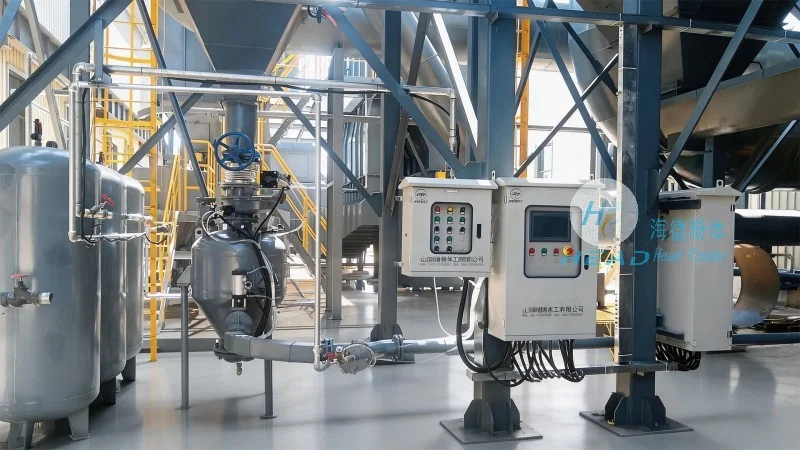
Understanding Pneumatic Conveying Systems for Plastic Pellets
Pneumatic conveying systems use air or gas to transport bulk materials like plastic pellets through a pipeline. These systems can be categorized into two main types: dilute phase and dense phase. Dilute phase systems are suitable for high-velocity transport over short to medium distances, while dense phase systems use lower velocities and higher air-to-material ratios to move materials more gently, reducing the risk of particle degradation and blockage. For plastic pellets, the choice of system type depends on factors such as the material's properties, required transport distance, and the desired flow rate.
Key Design Parameters to Prevent Pipeline Blockages
Several critical design parameters must be considered to prevent pipeline blockages in pneumatic conveying systems for plastic pellets. These parameters include:
1. Airflow Rate and Velocity: The airflow rate and velocity are fundamental to the system's performance. Insufficient airflow can lead to material accumulation and blockages, while excessive velocity may cause erosion or particle breakage. For plastic pellets, the optimal airflow rate is typically determined by the material's bulk density, particle size distribution, and the system's pressure drop. Maintaining a consistent and appropriate velocity ensures that the pellets are conveyed smoothly without settling or clumping.
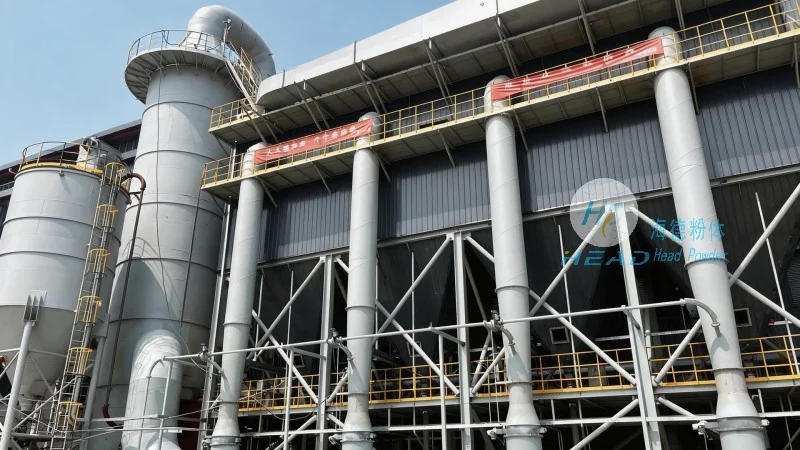
2. Pressure Drop and System Sizing: The pressure drop across the pipeline is a key indicator of the system's efficiency and potential for blockage. Proper system sizing, including the diameter of the pipeline and the length of the conveying line, is crucial. A correctly sized pipeline minimizes the pressure drop, reducing the energy required for transport and preventing the buildup of pressure that can lead to blockages. For plastic pellets, the pipeline diameter is often chosen based on the maximum particle size and the required flow rate, ensuring that the pellets can move freely without obstruction.
3. Material Properties and Particle Size: The physical properties of the plastic pellets, such as their bulk density, moisture content, and particle size distribution, significantly impact the conveying process. Coarser or irregularly shaped pellets may require higher airflow rates or different system configurations to prevent blockages. Additionally, moisture content can affect the material's flowability; excessive moisture can cause clumping, while low moisture may lead to static charges that attract particles and cause blockages. Proper material handling and conditioning before conveying are essential to mitigate these issues.
4. Conveying Line Layout and Bends: The design of the conveying line, including the number and angle of bends, plays a vital role in preventing blockages. Sharp bends or excessive changes in direction can cause pellets to settle or accumulate, leading to blockages. Using smooth, gradual bends and minimizing the number of turns in the pipeline helps maintain a consistent flow. Additionally, incorporating airlocks or rotary valves at strategic points can help control the flow and prevent material from backing up, reducing the risk of blockages.
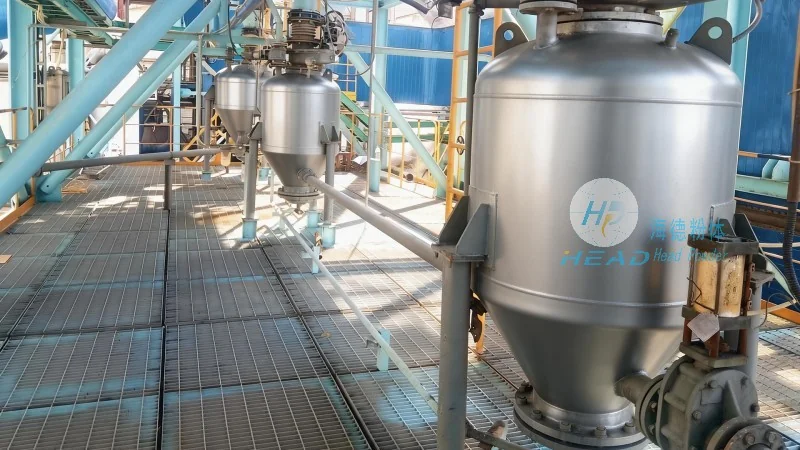
5. System Control and Monitoring: Implementing effective control and monitoring systems is essential for maintaining optimal operation and preventing blockages. Real-time monitoring of pressure, airflow, and material flow can help detect potential issues early, allowing for timely adjustments. Automated control systems can adjust the airflow rate or pressure based on real-time conditions, ensuring that the system operates within safe and efficient parameters. For plastic pellet conveying, advanced control systems can also integrate with material feeders to maintain a consistent flow rate, preventing surges or drops that may lead to blockages.
Role of Shandong HeadPowder Engineering Co., Ltd. in Pneumatic Conveying Solutions
Shandong HeadPowder Engineering Co., Ltd., a leading provider of pneumatic conveying solutions, specializes in designing and manufacturing systems tailored to the specific needs of the plastic industry. With years of experience in material handling, the company understands the unique challenges associated with plastic pellet transport and offers customized solutions to prevent pipeline blockages. Their expertise lies in optimizing key design parameters, such as airflow rates, pipeline sizing, and system layout, to ensure reliable and efficient operation. By leveraging advanced engineering and material science knowledge, HeadPowder provides systems that meet the highest standards of performance and durability, helping plastic manufacturers maintain smooth production processes and minimize downtime.
Conclusion
Preventing pipeline blockages in pneumatic conveying systems for plastic pellets requires a comprehensive approach that considers multiple design parameters. By optimizing airflow rates, system sizing, material properties, line layout, and control systems, manufacturers can significantly reduce the risk of blockages and ensure the smooth operation of their conveying processes. Companies like Shandong HeadPowder Engineering Co., Ltd. play a crucial role in providing expert solutions and technical support to help plastic manufacturers achieve efficient and reliable material handling, ultimately enhancing their productivity and reducing operational costs.