With more than 10‑year industry experience, Shandong Headpowder delivers full‑service pneumatic‑conveying systems and blowers, undertaking nationwide turn‑key powder‑handling projects.
When it comes to transporting desulfurization and dust removal slag, pneumatic conveying systems offer an efficient and reliable solution. However, a common challenge in such applications is the risk of pipeline blockages, which can lead to operational disruptions and increased maintenance costs. Understanding the key design parameters and implementing effective preventive measures is crucial for ensuring smooth and uninterrupted operation. This article explores how to prevent pipeline blockages in pneumatic conveying systems for desulfurization and dust removal slag transport, along with the critical design parameters that contribute to system performance.
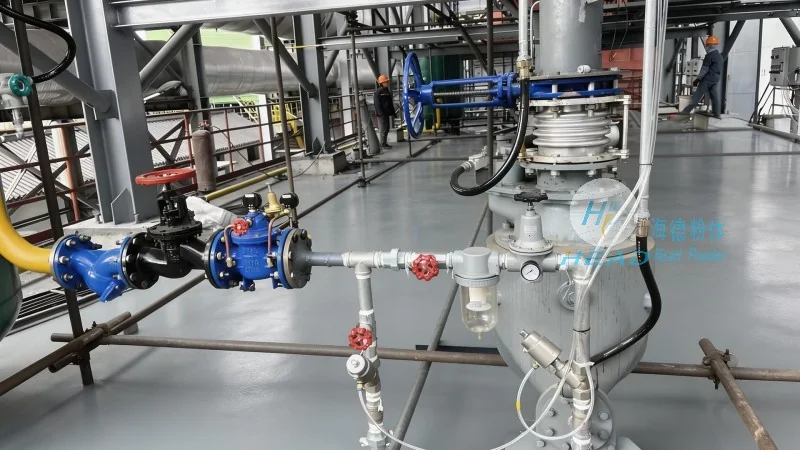
Desulfurization and dust removal slag, also known as FGD (Flue Gas Desulfurization) sludge, typically consists of fine particles with high moisture content and varying chemical compositions. These characteristics significantly impact the performance of pneumatic conveying systems. The high moisture content can cause agglomeration, while the fine particle size increases the risk of clogging in the conveying lines. Therefore, it is essential to consider the physical and chemical properties of the slag when designing a pneumatic conveying system. The specific gravity, particle size distribution, and moisture content of the material are key factors that influence the selection of conveying velocity and air pressure.
Several critical design parameters play a vital role in preventing pipeline blockages in pneumatic conveying systems for desulfurization and dust removal slag transport. The first and most important parameter is the conveying velocity. The velocity of the air stream must be sufficient to maintain the material in suspension and prevent it from settling or adhering to the pipe walls. For desulfurization slag, a typical conveying velocity ranges from 20 to 30 meters per second, depending on the particle size and moisture content. A higher velocity ensures that the particles remain suspended, reducing the likelihood of blockages caused by material accumulation.
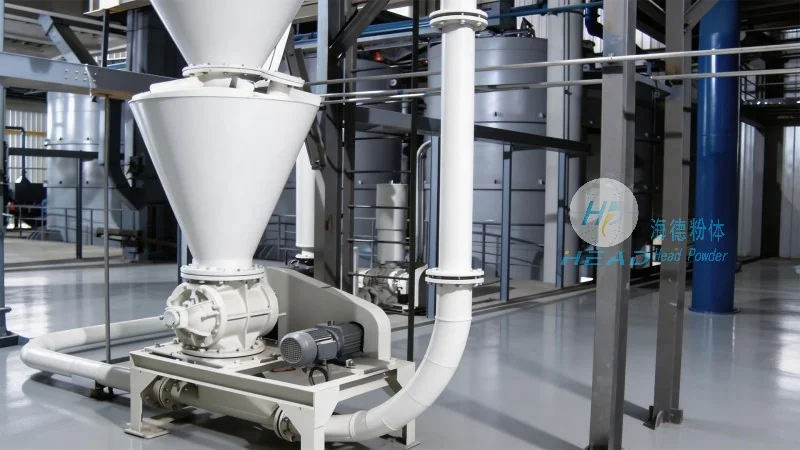
Another crucial parameter is the air-to-solid ratio (ASR), which is the ratio of the volumetric flow rate of air to the volumetric flow rate of solids. The ASR directly affects the pressure drop and the ability of the system to transport the material. For desulfurization slag, an ASR of 5 to 10 is commonly recommended. A higher ASR provides more air to keep the particles in suspension but may increase energy consumption. Conversely, a lower ASR may lead to insufficient air, causing the material to settle and block the pipeline. The optimal ASR is determined by the material characteristics and the required conveying distance.
The diameter of the conveying pipeline is also a critical design parameter. A larger pipe diameter reduces the frictional losses and the risk of blockages, as it allows for a lower conveying velocity while maintaining the material in suspension. However, a larger diameter also increases the initial investment cost and the space required for installation. The pipe diameter is typically selected based on the maximum particle size and the required conveying capacity. For desulfurization slag, a pipe diameter of 100 to 200 millimeters is commonly used, depending on the system's capacity and the distance to be covered.
The material's moisture content is another important factor to consider. High moisture content can cause the material to agglomerate, leading to blockages. Therefore, it is advisable to pre-dry the slag or use a system with a higher air flow rate to maintain the material in a dry state. The moisture content should be monitored regularly to adjust the system's operation accordingly. Additionally, the use of additives or conditioning agents can help improve the flowability of the material and reduce the risk of blockages.
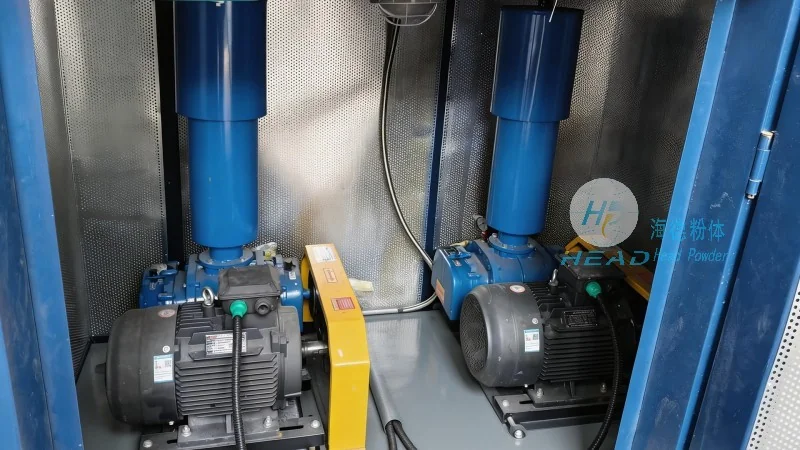
The system's layout and the presence of bends and fittings also impact the risk of blockages. Sharp bends and narrow fittings can cause the material to settle and accumulate, leading to blockages. Therefore, the design should include smooth transitions and gradual bends to minimize the risk of material deposition. The use of inline mixers or agitators can also help prevent blockages by ensuring that the material remains in suspension throughout the conveying process.
Shandong HeadPowder Engineering Co., Ltd., a leading provider of pneumatic conveying solutions, specializes in designing and manufacturing systems tailored to the unique requirements of desulfurization and dust removal slag transport. With years of experience in the industry, HeadPowder engineers have developed advanced solutions that address the challenges associated with handling fine, high-moisture materials. The company's expertise lies in optimizing the key design parameters, such as conveying velocity, air-to-solid ratio, and pipe diameter, to ensure efficient and reliable operation.
HeadPowder's approach to system design involves a comprehensive analysis of the material properties, conveying distance, and operational requirements. By leveraging advanced computational fluid dynamics (CFD) simulations and field testing, the company ensures that the final design meets the client's needs while minimizing the risk of pipeline blockages. The engineers at HeadPowder work closely with clients to understand their specific challenges and provide customized solutions that enhance system performance and reduce maintenance costs.
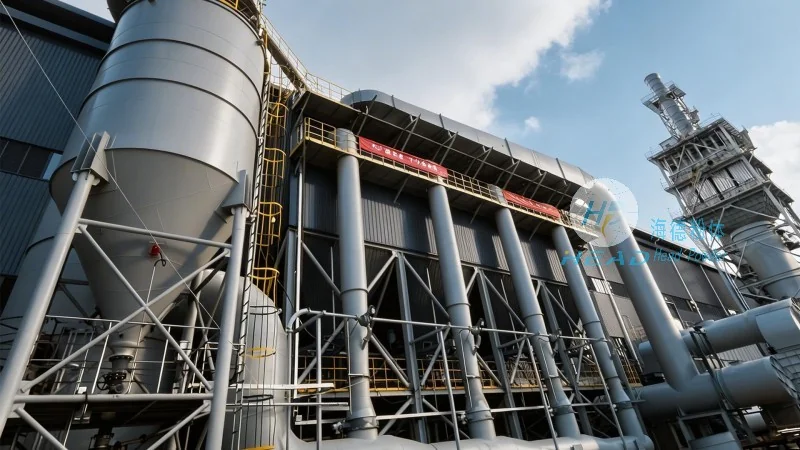
For example, HeadPowder has successfully implemented pneumatic conveying systems for several power plants in Shandong, China, where the risk of blockages was a major concern. The company's designs incorporated higher conveying velocities and optimized ASR to handle the high-moisture desulfurization slag, resulting in smooth operation and minimal downtime. The systems installed by HeadPowder have demonstrated the effectiveness of proper design parameters in preventing pipeline blockages and ensuring the efficient transport of desulfurization and dust removal slag.
HeadPowder's commitment to quality and innovation has made it a trusted partner for many clients in the power generation and environmental industries. The company's products and services are designed to meet the highest standards of performance and reliability, ensuring that clients can rely on their pneumatic conveying systems for long-term operation. By focusing on the key design parameters and implementing effective preventive measures, HeadPowder helps its clients achieve efficient and cost-effective transport of desulfurization and dust removal slag, contributing to the overall sustainability of their operations.

 Shandong Headpowder Engineering Co., Ltd.
 156-6277-7102(Manager Zhang)
  0531-83386006
  Zhangqiu District, Jinan City, Shandong Province, China
telephone
WeChatconsult
top