With more than 10‑year industry experience, Shandong Headpowder delivers full‑service pneumatic‑conveying systems and blowers, undertaking nationwide turn‑key powder‑handling projects.
When designing a wheat pneumatic conveying system, several critical factors must be considered to ensure efficiency, reliability, and cost-effectiveness. The system's performance is directly influenced by the type of wheat being handled, the distance of material transport, and the required throughput. A well-designed system not only optimizes operational efficiency but also minimizes maintenance costs and reduces the risk of material degradation.
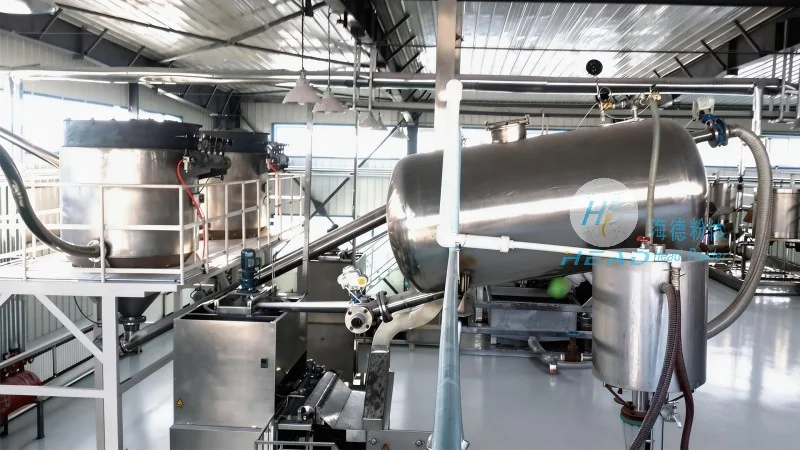
First, the selection of the conveying system type—whether positive pressure, negative pressure, or a combination—depends on the specific application and operational requirements. Positive pressure systems, such as pressure vessels or rotary lobe pumps, are ideal for long-distance or high-capacity transport, while negative pressure systems are suitable for short distances or when handling dust-sensitive materials. For wheat, which is typically dry and free-flowing, positive pressure systems are often preferred due to their ability to maintain consistent flow rates and prevent material segregation.
Second, the system's capacity and flow rate must be matched to the production needs. The design should account for the bulk density of wheat, which can vary based on moisture content and grain size. For example, a typical wheat bulk density is around 0.7 to 0.8 g/cm³, and the system must be sized to handle the expected flow rate, ensuring that the conveyor can maintain a stable pressure and avoid clogging. The choice of pipeline diameter and material (e.g., stainless steel or PVC) also plays a crucial role in preventing material buildup and ensuring easy cleaning.
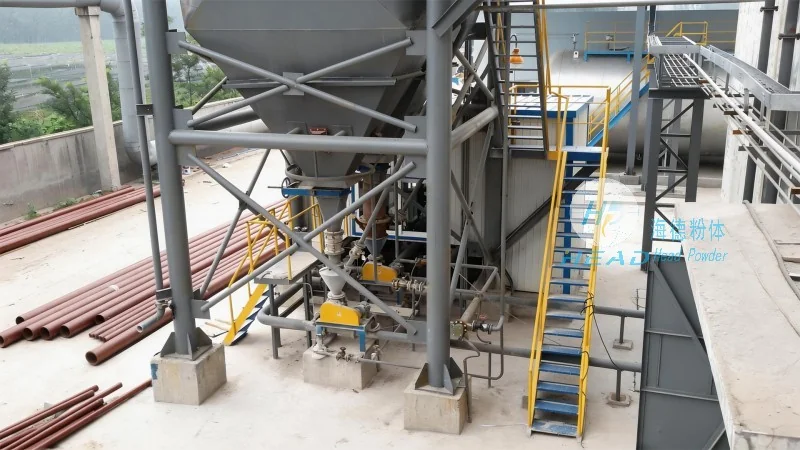
A standard wheat pneumatic conveying system consists of several key components, each playing a vital role in the overall operation. The primary components include the material feed hopper, which holds the wheat and regulates the flow into the system; the air mover, which provides the necessary pressure or vacuum to transport the material; the pipeline network, which carries the wheat and air mixture; and the discharge hopper, which collects the material at the destination.
The material feed hopper is designed to prevent material bridging and ensure a consistent feed rate. It often includes a rotary valve or a screw feeder to control the flow of wheat into the system. The air mover, such as a rotary lobe blower or a centrifugal fan, generates the pressure or vacuum required for conveying. The pipeline network is typically made of stainless steel to resist corrosion and prevent contamination from the wheat. The discharge hopper is equipped with a dust collection system to capture any airborne particles and maintain a clean environment.
The design of a wheat pneumatic conveying system is a complex process that requires expertise in fluid dynamics, material handling, and mechanical engineering. At Shandong HeadPowder Engineering Co., Ltd., our team of experienced engineers uses advanced software and computational fluid dynamics (CFD) to model the system and optimize its performance. We consider factors such as the wheat's particle size distribution, moisture content, and flow characteristics to ensure the system operates efficiently under various conditions.
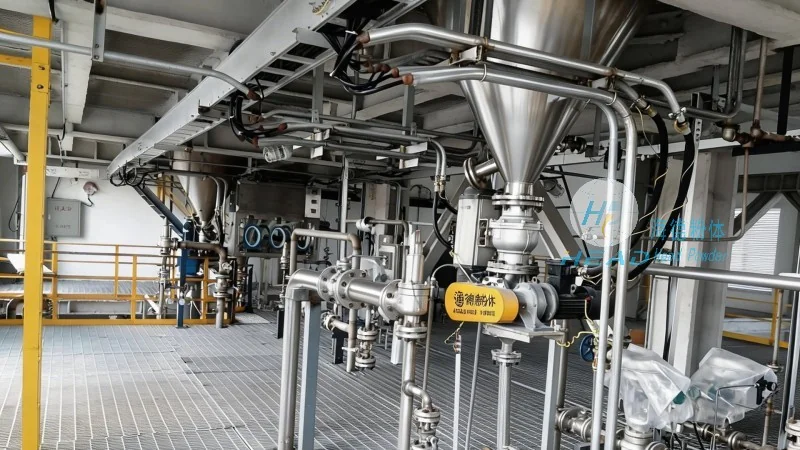
Our engineering approach involves a thorough analysis of the client's requirements, including the desired throughput, transport distance, and budget constraints. We then develop a customized system design that meets all operational and safety standards. The design process includes detailed calculations for pressure drop, air volume, and power consumption, ensuring that the system is both efficient and cost-effective. We also provide recommendations for maintenance schedules and spare parts to minimize downtime and extend the system's lifespan.
A properly designed wheat pneumatic conveying system offers numerous benefits for agricultural and food processing operations. First, it improves operational efficiency by reducing labor costs and increasing throughput. The system can handle large volumes of wheat quickly and consistently, allowing for smoother production processes. Second, it enhances product quality by minimizing material handling and reducing the risk of contamination or degradation. The enclosed system prevents dust and moisture from entering the material, maintaining the wheat's quality and freshness.
Third, a well-designed system reduces energy consumption and operating costs. By optimizing the air volume and pressure, the system uses less energy than traditional methods, such as bucket elevators or belt conveyors. This leads to significant cost savings over the system's lifespan. Additionally, the system's modular design allows for easy expansion or modification, adapting to changing production needs without requiring a complete overhaul.
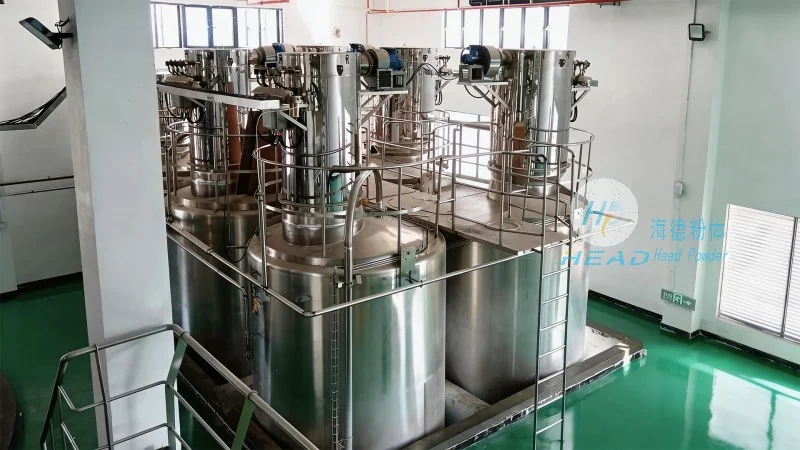
Designing a reasonable wheat pneumatic conveying system requires a comprehensive understanding of the material's properties, operational requirements, and engineering principles. At Shandong HeadPowder Engineering Co., Ltd., we specialize in providing customized solutions that meet the unique needs of our clients. Our team of experts uses advanced technology and engineering expertise to design efficient, reliable, and cost-effective systems that enhance productivity and product quality.
With our headquarters in Shandong, China, we have extensive experience in the agricultural and food processing industries, having worked with numerous clients to improve their material handling processes. Our commitment to quality and customer satisfaction has made us a trusted partner in the industry. Whether you are a new or existing client, we are ready to help you design and implement a wheat pneumatic conveying system that meets your specific requirements and helps you achieve your business goals.

 Shandong Headpowder Engineering Co., Ltd.
 156-6277-7102(Manager Zhang)
  0531-83386006
  Zhangqiu District, Jinan City, Shandong Province, China
telephone
WeChatconsult
top