With more than 10‑year industry experience, Shandong Headpowder delivers full‑service pneumatic‑conveying systems and blowers, undertaking nationwide turn‑key powder‑handling projects.
In the contemporary landscape of urban development and environmental management, the disposal of municipal solid waste has become a critical challenge for cities worldwide. As populations grow and industrial activities expand, landfills are reaching saturation points, necessitating more efficient and environmentally friendly waste management strategies. Among the various disposal methods, waste incineration has emerged as a prominent solution due to its ability to significantly reduce the volume of waste and recover energy. However, this process introduces complex logistical and safety challenges, particularly regarding the handling of byproducts. The residue left after combustion, known as bottom ash and fly ash, requires stringent management protocols due to its potential toxicity and leachability. This has created a specialized niche in the engineering sector dedicated to the safe and efficient transport of these hazardous materials. One such specialized application involves the use of advanced systems to move these residues from collection points to treatment facilities, ensuring compliance with international environmental standards. This article explores a specific implementation of such technology in a challenging environment, highlighting the expertise of the engineering firm behind the project.
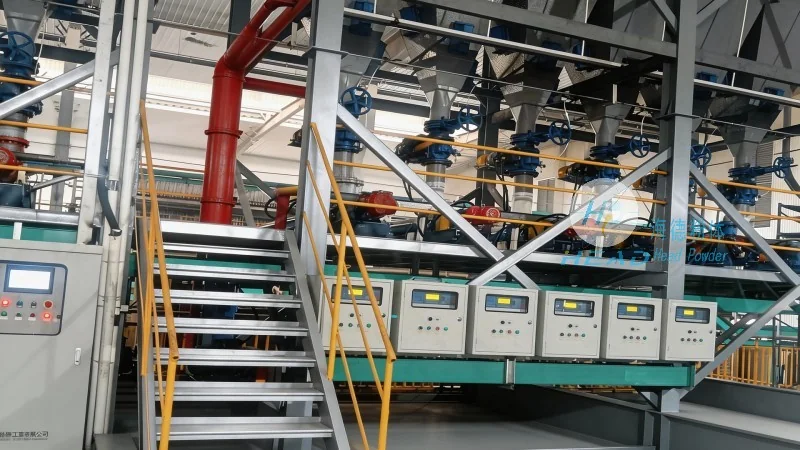
Transporting fly ash is not a task that can be approached with standard conveyors or manual handling. Fly ash is a fine, powdery substance that can easily become airborne, posing significant health risks to workers and environmental hazards if not contained. Furthermore, the material is often corrosive and contains heavy metals, requiring a transport system that is not only robust but also airtight. Engineers must design systems that minimize dust emissions while maximizing throughput. This is where specialized pneumatic conveying technology comes into play. Unlike mechanical conveyors that rely on moving parts which can wear out or get clogged, pneumatic systems use air pressure to push the material through a pipeline. The transition from traditional methods to modern pneumatic solutions represents a significant leap forward in safety and operational efficiency. By utilizing high-pressure air, these systems can transport the material over long distances with minimal loss, making them ideal for industrial complexes where space is at a premium and environmental regulations are strict.
When addressing the complex requirements of hazardous material transport, the choice of engineering partner is paramount. Shandong Headpowder Engineering Co., Ltd. has established itself as a leader in this field, particularly within the Asian market. The company specializes in the design and manufacturing of systems that handle bulk solids, with a specific focus on the unique demands of the waste management sector. Their approach combines rigorous engineering standards with practical operational knowledge, ensuring that every system installed is not only technically sound but also reliable in real-world conditions. By focusing on the specific chemical and physical properties of the materials being moved, Headpowder creates bespoke solutions that address the root causes of transport inefficiencies. This client-centric philosophy has allowed them to build a robust portfolio of successful projects, demonstrating their capability to handle some of the most difficult materials in the waste management industry.
The operational environment in Southeast Asia presents unique challenges that differ significantly from those in Western markets. Humidity, high temperatures, and varying infrastructure quality can all impact the performance of industrial equipment. Therefore, a successful project in this region must account for these environmental factors. Headpowder has developed a deep understanding of these regional nuances, tailoring their equipment to withstand the tropical climate and the specific logistical constraints often found in developing infrastructure. Their expertise in **Southeast Asia pneumatic conveying** is not merely about moving materials; it is about ensuring that the systems function reliably despite the harsh external conditions. This regional specialization allows them to offer solutions that are durable and cost-effective, bridging the gap between high-end industrial technology and the practical needs of the local market. Their systems are designed to be low-maintenance, reducing downtime and ensuring continuous operation, which is crucial for industrial facilities that cannot afford long interruptions.
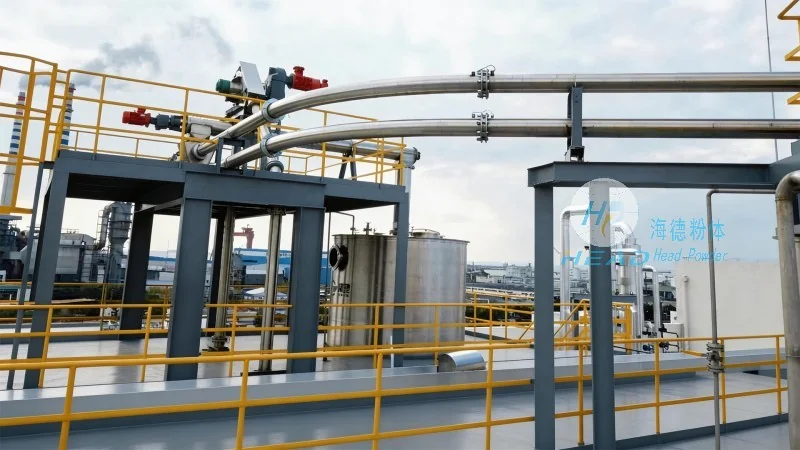
A prime example of Headpowder's capability is the implementation of a pneumatic conveying system in Jambi, Indonesia. This project was undertaken to address the specific waste management needs of a growing industrial area, focusing on the safe and efficient transport of incineration byproducts. The primary objective was to create a closed-loop system that could move fly ash from the incineration plant to a designated treatment or storage facility without exposing personnel to hazardous dust. The project required careful planning and precision engineering to ensure that the system could handle the volume of material generated while maintaining strict safety standards. The installation involved a comprehensive assessment of the site's layout, allowing for the integration of the new system with existing infrastructure with minimal disruption. This case serves as a benchmark for other projects in the region, demonstrating how advanced technology can be successfully deployed in a challenging environment to solve critical environmental problems.
At the heart of the Jambi project was the deployment of a sophisticated **positive pressure pneumatic conveying** system. This technology was selected because it offers superior sealing capabilities, which is essential when dealing with toxic and fine particulate matter. In a positive pressure system, the material is pushed through the pipeline by compressed air generated by a blower or compressor located at the source. This design ensures that the air flows in a single direction, preventing backflow and ensuring that the material is transported efficiently from the loading station to the destination. The system is highly flexible, allowing for multiple discharge points and complex pipe routing. This flexibility was crucial for the Jambi facility, as it allowed for the design of a layout that optimized the use of available space. By eliminating the need for multiple conveyors and reducing the number of moving parts, the system also reduced maintenance costs and extended the operational lifespan of the equipment. The result was a clean, efficient, and safe method of material transport that met all regulatory requirements.
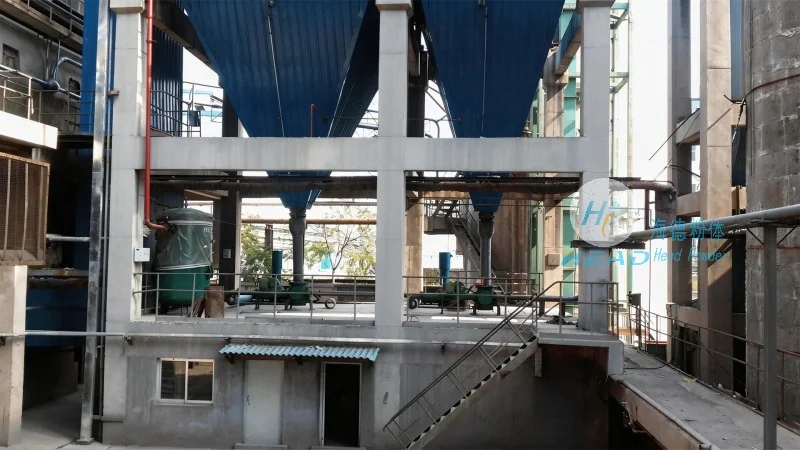
The implementation of the Headpowder system in Jambi delivered tangible benefits that extended beyond simple transportation. One of the most significant advantages was the drastic reduction in dust emissions. By keeping the material enclosed within the pipeline, the system eliminated the need for open-air handling, thereby protecting the health of workers and the surrounding environment. This is particularly important in areas with strict environmental regulations, where non-compliance can result in heavy fines and operational shutdowns. Additionally, the system improved the overall efficiency of the waste management process. The automated nature of the pneumatic conveying system meant that material could be moved continuously, reducing the need for manual intervention. This not only increased throughput but also minimized the risk of accidents associated with manual handling of hazardous materials. The reliability of the system ensured that the facility could maintain its production schedules without interruption, contributing to the economic stability of the operation.
Choosing the right engineering partner for a pneumatic conveying project is a decision that impacts the long-term safety and efficiency of an operation. Shandong Headpowder Engineering Co., Ltd. stands out due to its comprehensive approach to project management and its deep technical knowledge. They do not simply sell equipment; they provide end-to-end solutions, from initial design and feasibility studies to installation and after-sales support. Their team of experienced engineers works closely with clients to understand their specific needs and challenges, ensuring that the final solution is tailored to their operational requirements. Whether it is handling fly ash, cement, or other bulk solids, Headpowder has the expertise to deliver a system that performs reliably under pressure. Their track record in the region, particularly in Indonesia, speaks to their ability to deliver results in complex environments.
For facilities looking to upgrade their material handling capabilities or initiate new projects involving hazardous waste transport, professional guidance is essential. Shandong Headpowder Engineering Co., Ltd. is ready to assist with technical consultations and project planning. Their team of experts is available to discuss the specific requirements of your operation and provide tailored solutions. To initiate a discussion or request a detailed proposal, interested parties are encouraged to contact their project manager directly. You may reach out to Mr. Zhang, the contact person for international projects, to arrange a consultation. His contact details are available for direct communication via WeChat at 15662777102. By connecting with Headpowder, you ensure that your pneumatic conveying needs are met with the highest standards of engineering excellence and safety.

 Shandong Headpowder Engineering Co., Ltd.
 156-6277-7102(Manager Zhang)
  0531-83386006
  Zhangqiu District, Jinan City, Shandong Province, China
telephone
WeChatconsult
top