With more than 10‑year industry experience, Shandong Headpowder delivers full‑service pneumatic‑conveying systems and blowers, undertaking nationwide turn‑key powder‑handling projects.
Loess powder pneumatic conveying systems are critical for efficient material handling in various industrial applications, ensuring optimal performance, minimal maintenance, and cost-effectiveness. This article provides a comprehensive guide to designing a reasonable loess powder pneumatic conveying system, focusing on key considerations and best practices that align with operational requirements and safety standards.
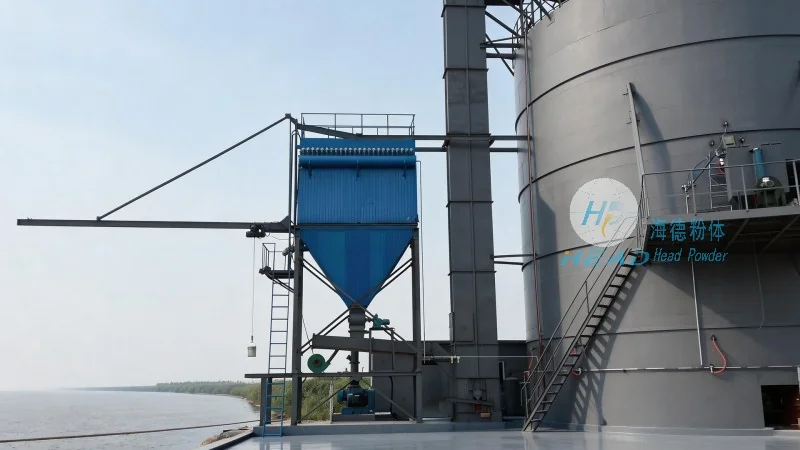
When designing a loess powder pneumatic conveying system, several critical factors must be carefully evaluated to ensure the system meets specific operational needs. These factors include the material characteristics of loess, the distance and elevation changes between the source and destination, the required flow rate, and the overall system layout. Understanding these elements is essential for selecting the appropriate conveying method (e.g., dilute-phase or dense-phase) and equipment configuration. For instance, the cohesive and moisture-rich nature of loess necessitates specialized handling techniques to prevent clogging and ensure consistent flow.
Loess, a fine-grained soil with high moisture content and strong cohesive properties, presents unique challenges during pneumatic conveying. Proper material analysis—such as particle size distribution, bulk density, and moisture content—is crucial to optimize conveying parameters. High moisture content may require pre-drying or moisture control measures to avoid material buildup and maintain flowability. Additionally, the fine particle size increases dust generation, which necessitates dust collection systems to ensure environmental compliance and worker safety. These considerations directly impact the system's design and operational efficiency.
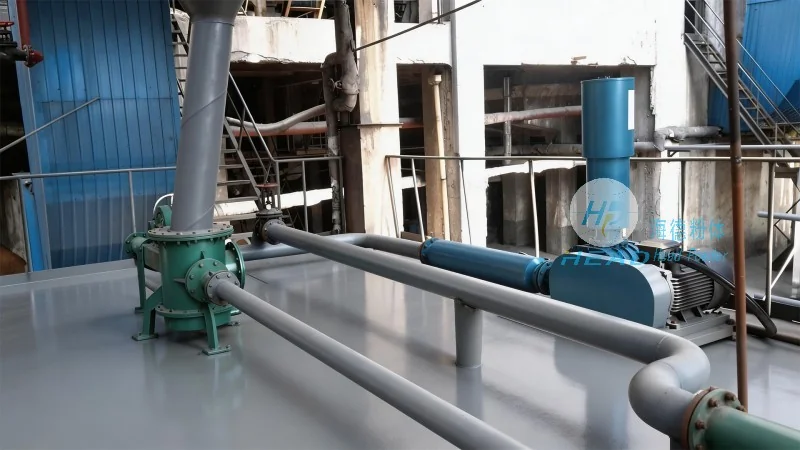
The layout of the pneumatic conveying system significantly impacts its efficiency and reliability. Key equipment includes the material feeder, air compressor, conveying pipeline, and receiver. The selection of each component must align with the system's capacity and operational conditions. For example, the material feeder should be capable of handling the bulk density and flow rate of loess, while the air compressor must provide sufficient pressure and volume to maintain the conveying velocity. The pipeline design, including diameter, length, and bends, also plays a critical role in minimizing pressure losses and preventing material deposition. A well-designed layout minimizes energy consumption and ensures smooth material transport over the intended distance.
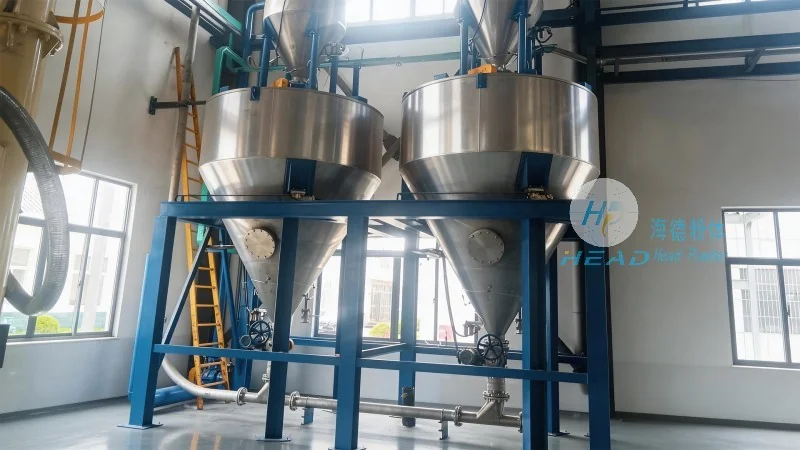
Different pneumatic conveying methods are suitable for various applications. Dilute-phase systems use high air velocities to keep particles suspended, making them ideal for short distances and low to medium flow rates. Dense-phase systems, on the other hand, use lower air velocities and higher particle concentrations, which are suitable for longer distances and high flow rates. The choice between these methods depends on the specific requirements of the loess powder handling process. Additionally, the flow rate must be optimized to prevent excessive pressure drop and ensure consistent material transport. Shandong HeadPowder Engineering Co., Ltd. specializes in selecting the appropriate method based on client-specific needs, ensuring efficient and reliable operation.
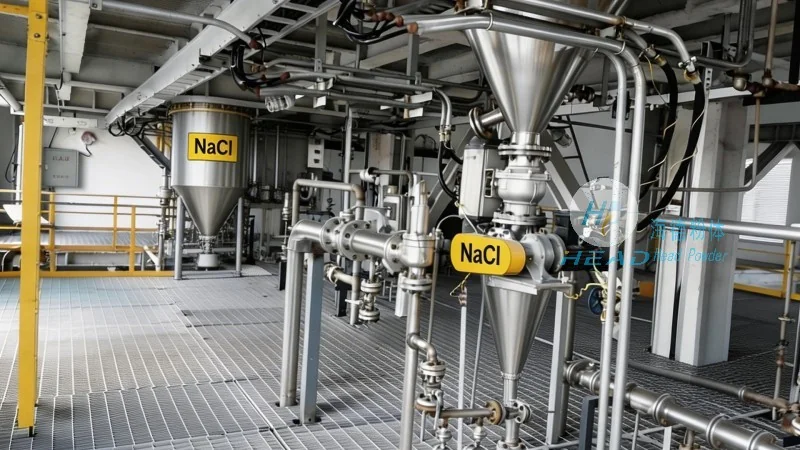
Regular maintenance is vital to ensure the long-term performance and reliability of the loess powder pneumatic conveying system. This includes monitoring air pressure, checking for leaks in the pipeline, and cleaning the system to prevent material buildup. Proper maintenance schedules and procedures should be established to minimize downtime and extend the lifespan of the equipment. Furthermore, operational training for personnel is essential to ensure safe and efficient operation of the system. For example, a maintenance plan for the air compressor and pipeline can extend equipment lifespan and reduce maintenance costs. Environmental controls, such as dust collection systems, are also critical to comply with regulations and protect workers.
Shandong HeadPowder Engineering Co., Ltd., a leading provider of pneumatic conveying solutions, has successfully designed and implemented loess powder pneumatic conveying systems for various clients. With years of experience in the industry, the company understands the unique challenges of handling loess and provides tailored solutions that meet specific operational needs. One project involved a large-scale loess powder conveying system for a construction material manufacturer, where the company optimized the system layout and equipment selection to achieve high efficiency and low maintenance costs. The successful implementation of this system demonstrates the effectiveness of a well-designed loess powder pneumatic conveying system. The company's expertise in material analysis, system design, and equipment selection ensures that clients receive reliable and efficient solutions for their loess handling needs.

 Shandong Headpowder Engineering Co., Ltd.
 156-6277-7102(Manager Zhang)
  0531-83386006
  Zhangqiu District, Jinan City, Shandong Province, China
telephone
WeChatconsult
top