With more than 10‑year industry experience, Shandong Headpowder delivers full‑service pneumatic‑conveying systems and blowers, undertaking nationwide turn‑key powder‑handling projects.
When it comes to handling iron oxide powder, selecting the right conveying method is crucial for efficiency, safety, and product integrity. As a leading manufacturer in the field, Shandong HeadPowder Engineering Co., Ltd. specializes in providing solutions tailored to the unique challenges of iron oxide powder transportation. This article explores common iron oxide powder conveying methods, with a focus on the benefits and applications of pneumatic conveying systems.
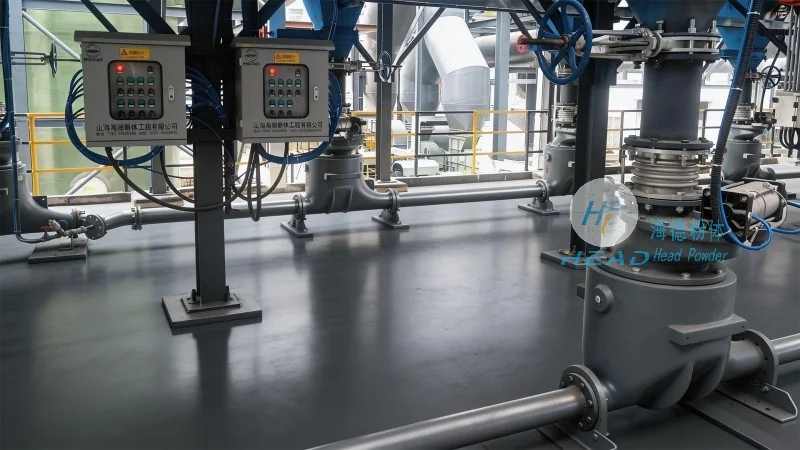
Iron oxide powders, such as hematite, magnetite, and other forms, are widely used in industries like pigments, coatings, and ceramics. These materials are often fine, abrasive, and can be sensitive to moisture or air exposure. Conveying iron oxide powder requires systems that minimize dust generation, prevent material degradation, and ensure consistent flow. Traditional methods like belt conveyors or screw conveyors may struggle with fine powders due to clogging, segregation, and increased friction. This is where specialized conveying technologies, particularly pneumatic systems, become essential.
Several methods are employed for transporting iron oxide powder, each with its own advantages and limitations. The primary options include:
1. Pneumatic Conveying: This method uses air or other gases to transport powder through a pipeline. It offers advantages like dust-free operation, flexibility in layout, and the ability to handle fine powders without clogging. Pneumatic systems can be categorized into pressure and vacuum types, each suitable for different distances and material characteristics.
2. Belt Conveyors: Commonly used for bulk materials, belt conveyors are effective for transporting larger iron oxide particles. However, they may not be ideal for very fine powders, as they can cause dust and material segregation. Regular maintenance is required to prevent wear and tear from abrasive powders.
3. Screw Conveyors: These systems use rotating screws to move powder along a tube. Screw conveyors are suitable for moderate volumes and can handle dry powders, but they are prone to clogging with fine, cohesive materials like iron oxide. They also generate more dust compared to pneumatic systems.
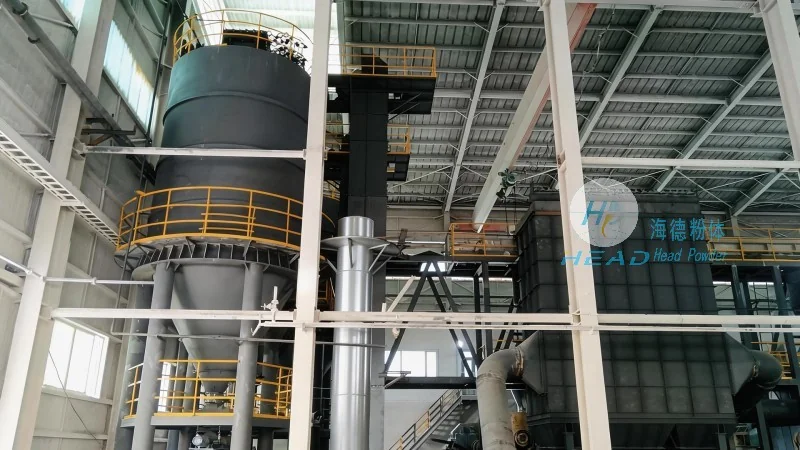
4. Bucket Elevators: Vertical transport systems that lift powder using buckets attached to a chain or belt. While effective for vertical movement, bucket elevators can be noisy and may cause particle degradation due to impact and friction.
Among the various methods, pneumatic conveying stands out as the most efficient and reliable for iron oxide powder. This technology involves creating a flow of air or gas within a pipeline to move the powder particles. The key components of a pneumatic conveying system include a blower, hopper, pipeline, and receiver. The system can operate under pressure (positive pressure) or vacuum (negative pressure), depending on the application requirements.
For iron oxide powder, positive pressure systems are often preferred because they provide consistent flow and can handle longer distances without significant pressure loss. The headpowder team at Shandong HeadPowder Engineering Co., Ltd. has extensive experience in designing and implementing pneumatic conveying solutions tailored to the specific needs of iron oxide powder. Our systems are engineered to minimize dust generation, reduce material degradation, and ensure smooth operation over extended periods.
Pneumatic conveying offers several advantages that make it the ideal choice for iron oxide powder transportation:
- Dust-Free Operation: Unlike mechanical systems, pneumatic conveying keeps the powder contained within the pipeline, reducing dust exposure for operators and minimizing environmental impact.
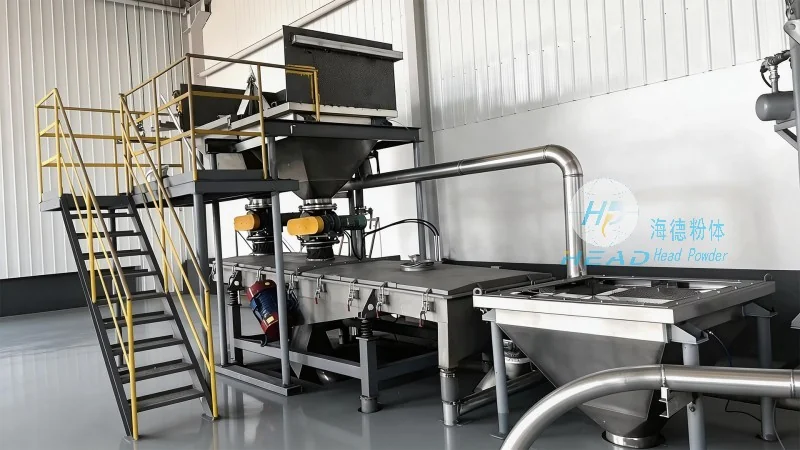
- Reduced Material Degradation: The gentle handling of particles in a pneumatic system prevents attrition and degradation, preserving the quality and color of iron oxide powders.
- Flexibility and Scalability: Pneumatic systems can be easily expanded or reconfigured to accommodate changes in production volume or layout. They can transport materials over long distances and across multiple levels without the need for complex infrastructure.
- Improved Safety: By eliminating the need for manual handling of powders, pneumatic conveying reduces the risk of dust explosions and occupational health hazards associated with fine powders.
The versatility of pneumatic conveying makes it suitable for a wide range of applications involving iron oxide powder. In pigment manufacturing, for example, pneumatic systems are used to transport raw iron oxide powders from storage to processing units, ensuring consistent color and quality. In the ceramics industry, these systems help move iron oxide powders to mixing and extrusion equipment, maintaining the uniformity of the final product. Additionally, in coating and paint applications, pneumatic conveying is used to deliver iron oxide pigments to mixing tanks, enhancing the efficiency of production lines.
Choosing the right conveying method for iron oxide powder is critical to optimizing production efficiency and maintaining product quality. While various options exist, pneumatic conveying, particularly with positive pressure systems, offers the most reliable and efficient solution. Shandong HeadPowder Engineering Co., Ltd., with its expertise in powder handling technology, provides customized pneumatic conveying systems that meet the specific requirements of iron oxide powder applications. Our commitment to quality, safety, and innovation ensures that our clients receive the best possible solutions for their material transportation needs. Whether you are in the pigment, ceramics, or coatings industry, partnering with headpowder can help you streamline your iron oxide powder handling processes and achieve superior results.

 Shandong Headpowder Engineering Co., Ltd.
 156-6277-7102(Manager Zhang)
  0531-83386006
  Zhangqiu District, Jinan City, Shandong Province, China
telephone
WeChatconsult
top