With more than 10‑year industry experience, Shandong Headpowder delivers full‑service pneumatic‑conveying systems and blowers, undertaking nationwide turn‑key powder‑handling projects.
Biomass material pneumatic conveying equipment is a critical component in modern industrial processing, engineered to efficiently transport bulk materials such as wood chips, sawdust, and other organic matter. This equipment is widely utilized in the biomass energy, wood processing, and agricultural industries, where reliable and efficient material handling is essential for operational efficiency and cost-effectiveness. The technology behind these systems integrates air flow with mechanical components to move materials from one location to another without relying on traditional conveyors or manual labor.
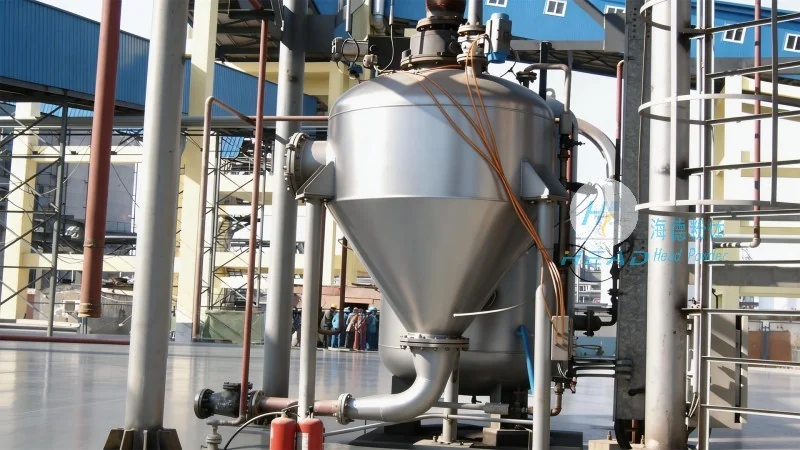
HeadPowder, as the manufacturer of this advanced equipment, is a leading company in the field of material handling solutions. With a focus on innovation and quality, HeadPowder has established itself as a trusted provider of pneumatic conveying systems tailored to the specific needs of biomass processing. The company’s headquarters is located in Shandong, China, where it leverages local expertise and resources to develop cutting-edge solutions for the global market. HeadPowder’s commitment to customer satisfaction and technical excellence ensures that its products meet the highest standards of performance and durability.
The biomass material pneumatic conveying equipment offered by HeadPowder is equipped with several key features that enhance its performance and versatility. These include adjustable air pressure control, which allows for precise regulation of material flow rates; durable construction materials, such as stainless steel and corrosion-resistant alloys, to withstand the harsh conditions of biomass processing; and integrated filtration systems to maintain air quality and prevent material buildup. Additionally, the systems are designed with energy efficiency in mind, reducing operational costs while minimizing environmental impact. The equipment is also customizable to accommodate various material types and processing requirements, making it suitable for a wide range of applications.
The core working principle of biomass material pneumatic conveying equipment involves the use of compressed air to create a flow of material through a pipeline. The process begins with the material being introduced into a hopper or feeder, where it is then drawn into the conveying line by the air flow. As the air moves through the system, it carries the material particles along, ensuring a continuous and controlled transport. The system typically includes components such as a blower, a filter, and a discharge unit, each playing a critical role in the overall operation. The blower generates the necessary air pressure, the filter removes dust and debris from the air stream, and the discharge unit controls the release of material at the destination point. This integrated approach ensures efficient and reliable material transport, minimizing downtime and maintenance requirements.
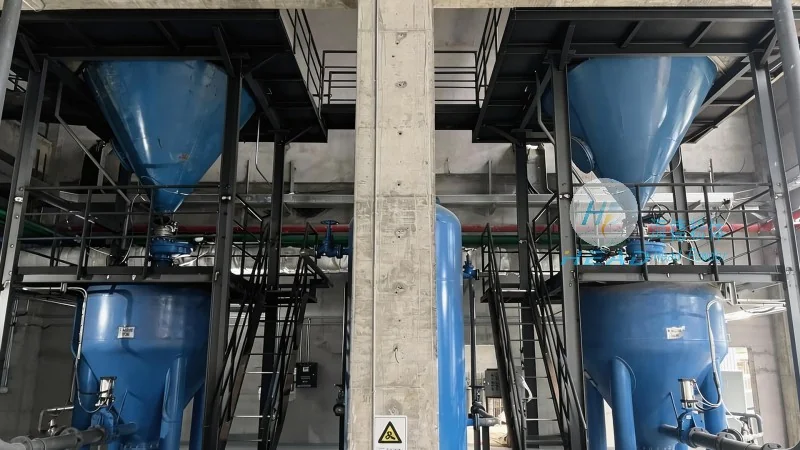
The operation process of biomass material pneumatic conveying equipment is a systematic sequence of steps that ensures smooth and consistent material handling. The process starts with the loading of biomass material into the inlet hopper. The material is then fed into the conveying line as the air flow is initiated by the blower. The air pressure is carefully controlled to maintain a steady flow rate, preventing clogging or uneven distribution. As the material travels through the pipeline, it is carried by the air stream to the discharge point, where it is collected in a storage or processing unit. The system continuously monitors air pressure and flow rates to adjust the operation as needed, ensuring optimal performance. This automated process reduces the need for manual intervention and enhances the overall efficiency of the material handling operation.
There are several advantages to using pneumatic conveying systems for biomass materials compared to traditional methods. One of the primary benefits is the ability to transport materials over long distances without the need for multiple transfer points or additional equipment. This reduces the risk of material degradation and contamination, which is particularly important for organic materials. Additionally, pneumatic conveying systems are more hygienic and easier to clean, making them suitable for food and pharmaceutical applications. The systems also offer greater flexibility in terms of layout and integration with other processing equipment, allowing for customized solutions that fit specific facility requirements. Furthermore, the energy efficiency of these systems contributes to lower operational costs and reduced environmental impact, aligning with sustainability goals in the biomass industry.
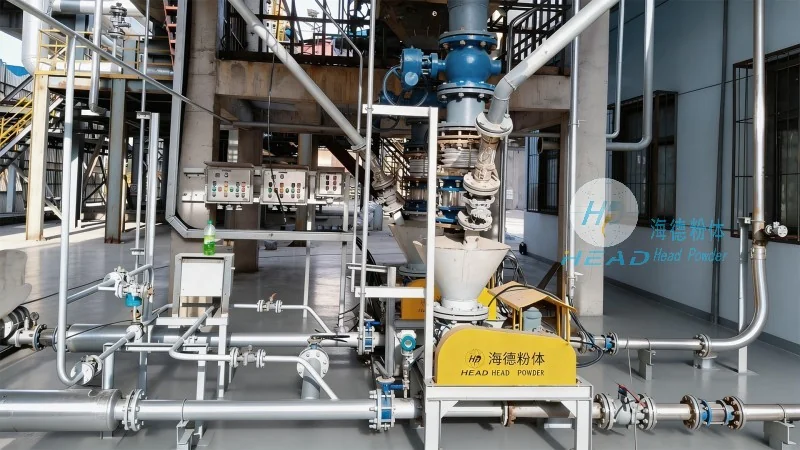
Biomass material pneumatic conveying equipment is widely applied in various sectors of the biomass industry. In the biomass energy sector, these systems are used to transport raw materials such as wood chips and sawdust to biomass power plants for combustion or gasification. In the wood processing industry, they are employed to move wood particles from sawmills to storage or further processing facilities. The agricultural sector also benefits from these systems, as they efficiently handle organic waste and byproducts from farming operations. Additionally, in the biofuel production industry, pneumatic conveying is used to transport feedstock to processing units, ensuring a consistent supply of raw materials. The versatility of these systems makes them a valuable asset in any biomass processing operation, contributing to increased productivity and operational efficiency.
Maintenance is a critical aspect of ensuring the long-term performance and reliability of biomass material pneumatic conveying equipment. HeadPowder’s systems are designed with durability in mind, using high-quality materials and robust construction to withstand the demanding conditions of biomass processing. Regular maintenance tasks include checking air pressure and flow rates, cleaning filters and hoppers, and inspecting components for wear and tear. The company provides comprehensive maintenance services and spare parts to support its customers, ensuring that the equipment remains in optimal condition. By following recommended maintenance procedures, users can extend the lifespan of the equipment and minimize downtime, resulting in lower overall operational costs. The durability of the equipment, combined with proper maintenance, ensures consistent performance and reliability over many years of operation.
In conclusion, biomass material pneumatic conveying equipment plays a vital role in the efficient and sustainable processing of biomass materials. The technology offers numerous advantages, including high efficiency, flexibility, and low maintenance requirements, making it an ideal solution for modern industrial applications. HeadPowder, as a leading manufacturer, provides high-quality systems that are tailored to the specific needs of the biomass industry, ensuring reliable and cost-effective material handling. By understanding the operation process and working principles of these systems, users can maximize their operational efficiency and contribute to the growth of the biomass energy sector. The continued development and application of pneumatic conveying technology will undoubtedly play a significant role in the future of biomass processing, supporting the transition to more sustainable energy sources.

 Shandong Headpowder Engineering Co., Ltd.
 156-6277-7102(Manager Zhang)
  0531-83386006
  Zhangqiu District, Jinan City, Shandong Province, China
telephone
WeChatconsult
top