With more than 10‑year industry experience, Shandong Headpowder delivers full‑service pneumatic‑conveying systems and blowers, undertaking nationwide turn‑key powder‑handling projects.
HeadPowder, a leading manufacturer based in Shandong, China, specializes in the design and production of efficient cereal powder conveying systems. This article explores the fundamental aspects of cereal powder conveying machines, focusing on their design principles and operational capabilities.
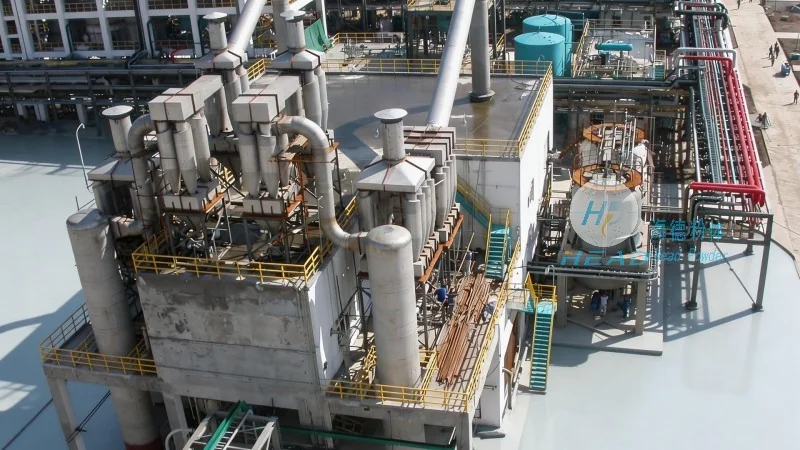
Cereal powder conveying machines are specialized equipment used to transport and handle fine powders, particularly in the food processing industry. These machines are crucial for maintaining product quality and ensuring smooth production workflows. The primary function is to move cereal powders from one processing stage to another with minimal dust generation and optimal control over material flow.
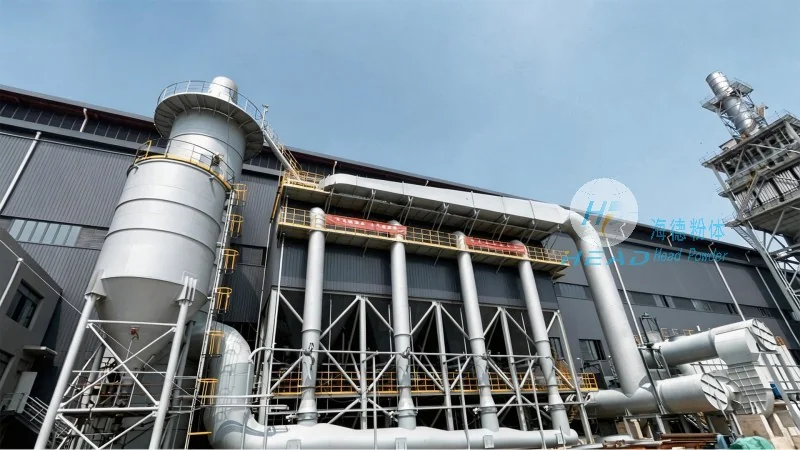
The design of a cereal powder conveying machine is centered on several critical principles to ensure efficiency and reliability. First, the machine must be constructed from materials that are compatible with food-grade powders, such as stainless steel, to prevent contamination and ensure hygiene standards are met. Second, the system incorporates advanced sealing mechanisms to minimize dust emissions and maintain a clean working environment. Third, the conveying method—often pneumatic or mechanical—must be tailored to the specific characteristics of the cereal powder, including its particle size, moisture content, and flowability. For instance, pneumatic conveying systems use air pressure to move powders through pipelines, while mechanical systems rely on screws or belts to transport materials. The choice of method depends on factors like the material's density, the required conveying distance, and the need for gentle handling to avoid agglomeration or degradation.
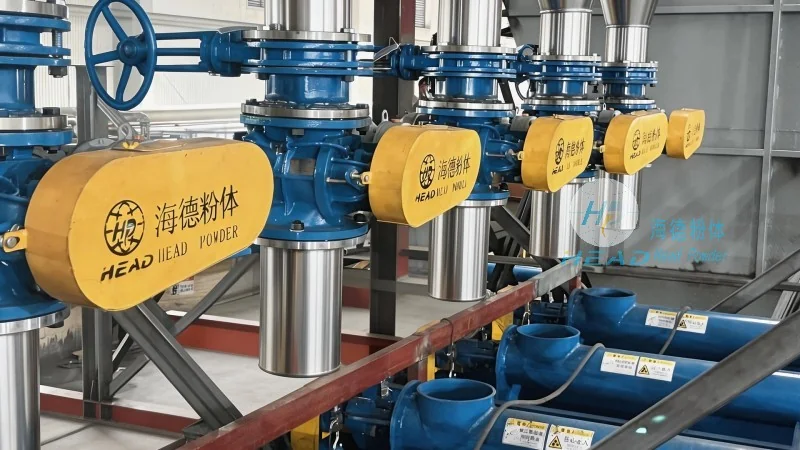
A typical cereal powder conveying machine consists of several key components that work in tandem to achieve effective material transport. The main components include a hopper for material storage, a conveyor section (either pneumatic or mechanical), a control panel for regulating flow rates, and a dust collection system to capture any airborne particles. The hopper is designed with a smooth interior to prevent material buildup and ensure consistent feeding. The conveyor section may feature adjustable speed controls to accommodate varying production demands. The control panel allows operators to monitor and adjust parameters such as air pressure, conveyor speed, and material flow rate in real-time. The dust collection system, often integrated with the conveying line, uses filters or cyclones to capture dust and return it to the process, reducing waste and maintaining environmental compliance.
The use of cereal powder conveying machines offers numerous benefits in food processing operations. These machines enhance productivity by enabling continuous, automated material handling, reducing the need for manual labor and minimizing downtime. They also improve product quality by maintaining consistent flow rates and preventing material segregation or contamination. Additionally, the enclosed design of these systems helps to control dust and allergen exposure, which is critical for food safety regulations. Cereal powder conveying machines are widely used in the production of breakfast cereals, flour, and other dry food products. They are also employed in the pharmaceutical and chemical industries for handling fine powders, where similar design principles apply.
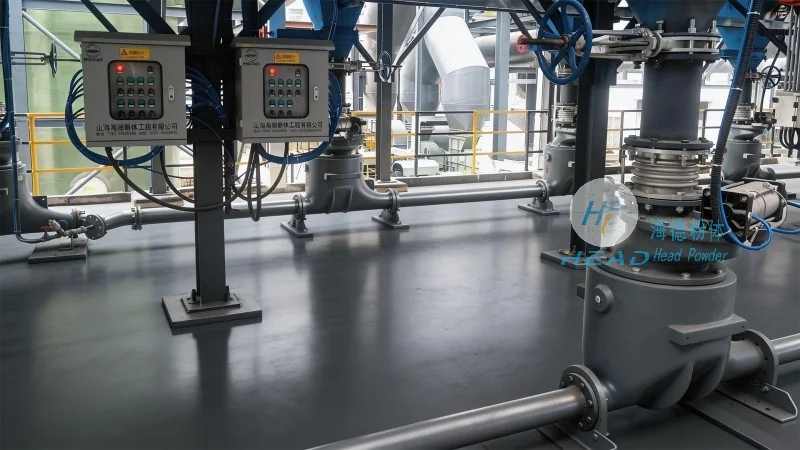
HeadPowder recognizes that different food processing facilities have unique requirements, and therefore offers customized solutions for cereal powder conveying machines. The company can tailor the design of the equipment to meet specific production needs, including varying conveyor capacities, material types, and operational environments. Customization may involve adjusting the conveyor speed, modifying the hopper size, or integrating additional features such as temperature control or material mixing capabilities. HeadPowder adheres to industry standards such as ISO 9001 for quality management and complies with food safety regulations like HACCP and GMP. This ensures that their products meet the highest standards of performance, safety, and reliability.

 Shandong Headpowder Engineering Co., Ltd.
 156-6277-7102(Manager Zhang)
  0531-83386006
  Zhangqiu District, Jinan City, Shandong Province, China
telephone
WeChatconsult
top