With more than 10‑year industry experience, Shandong Headpowder delivers full‑service pneumatic‑conveying systems and blowers, undertaking nationwide turn‑key powder‑handling projects.
Efficient and reliable transfer of powder is a critical aspect of the ammunition manufacturing process. Proper handling of powders ensures product quality, safety, and operational efficiency. Among the various methods available, pneumatic conveying stands out as a sophisticated solution for transporting sensitive materials like gunpowder. This article provides an overview of common powder transfer methods, with a focus on the advantages and applications of pneumatic conveying systems.
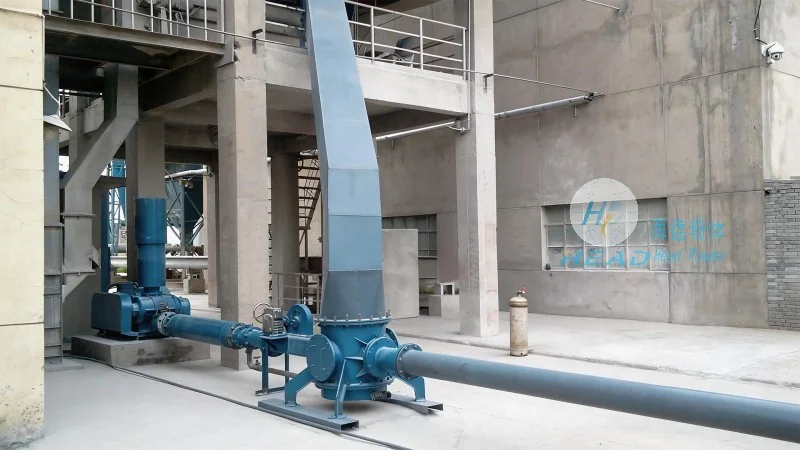
Powder transfer in industrial settings involves moving bulk materials from one location to another while maintaining their integrity and preventing contamination. Traditional methods such as manual handling, bucket elevators, and screw conveyors have limitations when dealing with fine, abrasive, or explosive powders. These limitations include increased risk of dust explosions, material degradation, and operational inefficiencies. Modern solutions, particularly pneumatic conveying systems, address these challenges by providing a closed-loop, controlled environment for powder movement.
Shandong HeadPowder Engineering Co., Ltd., commonly known as headpowder, specializes in the design, manufacturing, and implementation of advanced powder handling systems. With a strong focus on safety and performance, headpowder has become a trusted partner for ammunition manufacturers seeking reliable solutions for powder transfer. The company's expertise lies in customizing pneumatic conveying systems to meet the specific requirements of each client, ensuring optimal performance and compliance with industry standards.
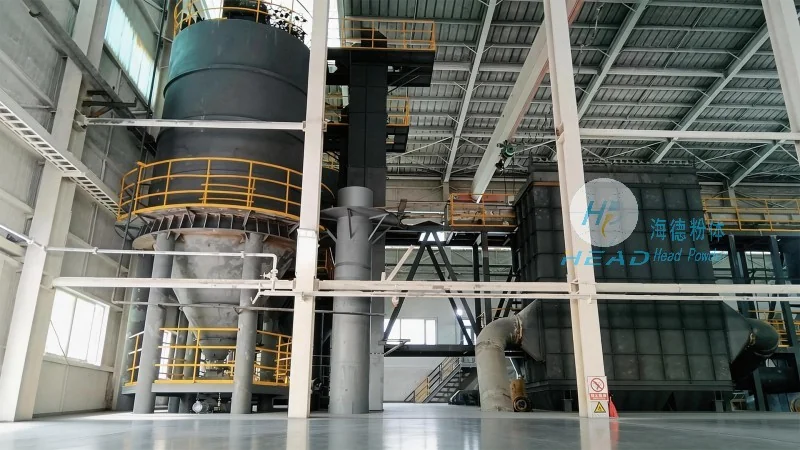
Pneumatic conveying systems utilize air or other gases to transport powders through a network of pipes and components. These systems are categorized into two main types: pressure and vacuum. Pressure systems use compressed air to push powders forward, while vacuum systems use suction to draw powders into the system. Both types offer advantages in terms of flexibility, scalability, and material compatibility. Key features include:
In the context of ammunition production, pneumatic conveying is particularly valuable for transferring gunpowder from storage silos to processing equipment. The systems are designed to handle the specific properties of gunpowder, such as its sensitivity to friction and impact. By using a closed system, the risk of accidental ignition or explosion is significantly reduced. Additionally, the controlled flow rates and pressure levels ensure consistent powder delivery, which is crucial for maintaining the quality and performance of the final ammunition products.
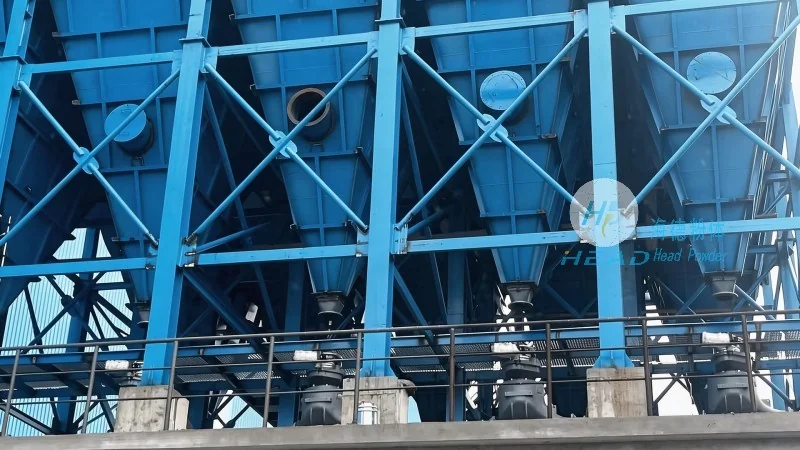
Compared to traditional transfer methods like screw conveyors or bucket elevators, pneumatic conveying offers several advantages. These include:
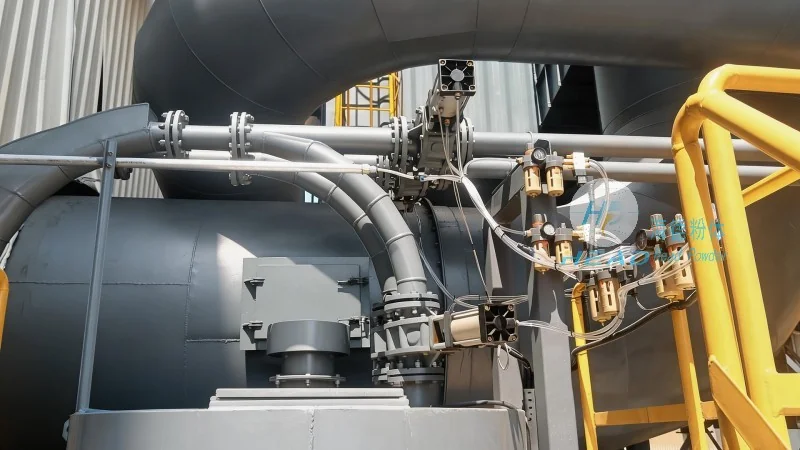
headpowder understands that each ammunition manufacturing facility has unique operational needs. Therefore, the company provides comprehensive customization and integration services to ensure that the pneumatic conveying system aligns with the client's production requirements. This includes site surveys, system design, installation, and commissioning. The goal is to deliver a solution that not only meets current needs but also supports future growth and expansion.
Efficient powder transfer is essential for the success of ammunition manufacturing operations. Pneumatic conveying systems, particularly those designed and manufactured by headpowder, offer a reliable and safe solution for handling gunpowder and other sensitive materials. By leveraging advanced technology and expert engineering, headpowder helps clients optimize their production processes, enhance product quality, and ensure compliance with industry regulations. For businesses seeking to improve their powder handling capabilities, pneumatic conveying remains a top choice, and headpowder is ready to provide the expertise and solutions needed to achieve operational excellence.

 Shandong Headpowder Engineering Co., Ltd.
 156-6277-7102(Manager Zhang)
  0531-83386006
  Zhangqiu District, Jinan City, Shandong Province, China
telephone
WeChatconsult
top