With more than 10‑year industry experience, Shandong Headpowder delivers full‑service pneumatic‑conveying systems and blowers, undertaking nationwide turn‑key powder‑handling projects.
Food processing industries rely on efficient and hygienic conveying systems to move raw materials and finished products through various stages of production. The choice of conveying method is critical as it impacts product quality, operational efficiency, and compliance with food safety regulations. Among the various options available, pneumatic conveying stands out as a versatile and effective solution for handling food products. This article explores common food conveying methods, with a focus on the advantages and applications of pneumatic food conveying.
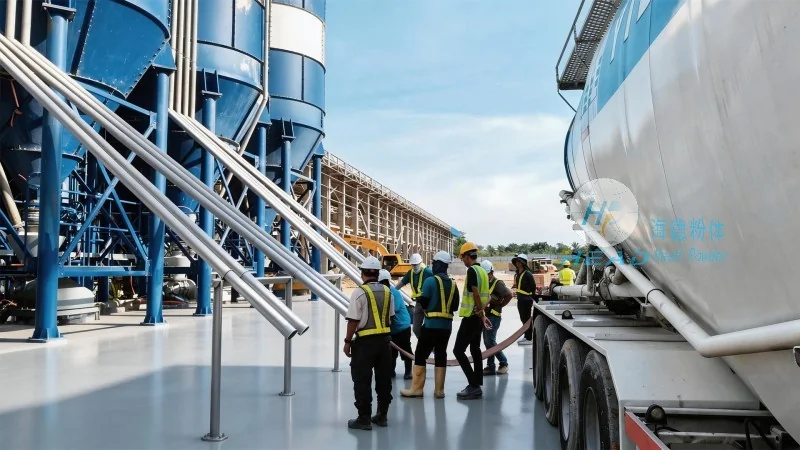
Food conveying systems are designed to transport bulk materials such as grains, powders, and other food ingredients from one location to another within a processing facility. Traditional methods include mechanical conveyors like belt conveyors, screw conveyors, and bucket elevators. These systems are widely used due to their simplicity and cost-effectiveness. However, they may pose challenges in terms of hygiene, especially when handling sensitive food products, as they can introduce contaminants or cause product degradation. In contrast, pneumatic conveying offers a more controlled environment that minimizes the risk of contamination and ensures product integrity.
Pneumatic conveying uses compressed air or gas to transport bulk materials through a pipeline system. The process involves creating a pressure differential that propels the material forward. There are two main types of pneumatic conveying: pressure and vacuum systems. Pressure systems use positive pressure to push material through the line, while vacuum systems use negative pressure to pull material from a source. For food applications, pressure systems are more common as they provide better control over the conveying process and are easier to clean. The key components of a pneumatic conveying system include a hopper, a feeder, a pipeline, and a receiver. The hopper holds the material, the feeder controls the flow rate, the pipeline transports the material, and the receiver collects the material at the destination.
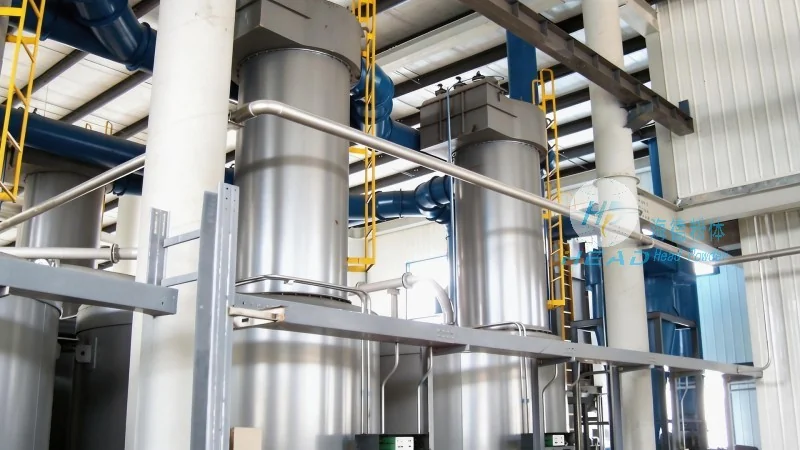
One of the primary advantages of pneumatic food conveying is its ability to maintain product hygiene and quality. The enclosed pipeline system prevents exposure to contaminants, dust, and moisture, which is crucial for food products that require strict safety standards. Additionally, pneumatic systems can handle a wide range of materials, from fine powders to bulk solids, making them suitable for diverse food applications. Another benefit is the flexibility in system design, as pipelines can be easily reconfigured to accommodate changes in production processes or facility layout. Pneumatic conveying also offers high efficiency in terms of material transport speed and capacity, reducing labor costs and increasing overall productivity. Furthermore, these systems are relatively easy to install and maintain, with minimal downtime required for cleaning or repairs.
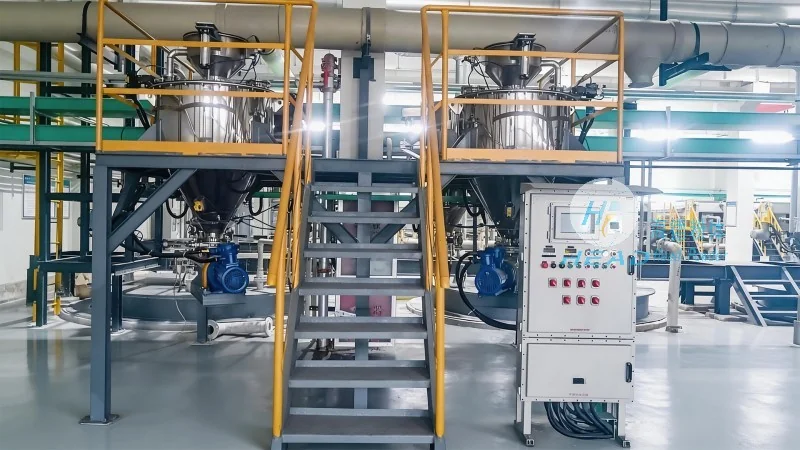
Pneumatic conveying is widely used in various stages of food processing, including raw material handling, ingredient mixing, and finished product packaging. For example, in the production of flour and other powders, pneumatic systems are used to transport raw grains from storage silos to milling equipment. In the dairy industry, these systems are employed to move milk powder and other dairy products from processing lines to storage tanks. The food industry also utilizes pneumatic conveying for the transport of spices, herbs, and other flavoring agents, ensuring that these ingredients are delivered in a clean and consistent manner. Additionally, in the snack food and confectionery sectors, pneumatic systems are used to convey ingredients like sugar, cocoa, and nuts, which are often sensitive to moisture and temperature changes.
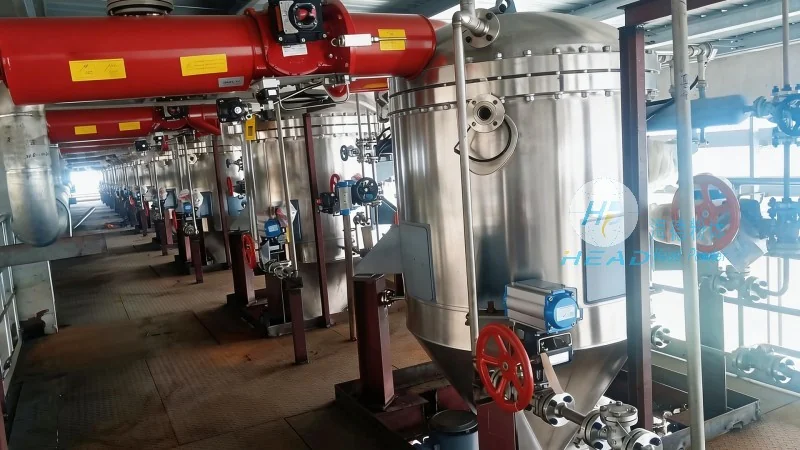
While pneumatic food conveying offers numerous benefits, there are several factors to consider when implementing such a system. The first is the material properties of the food product, as different materials may require specific conveying velocities and pressure levels to ensure efficient transport. For instance, fine powders may need higher air velocities to prevent clogging, while bulk solids may require lower velocities to avoid excessive wear on the pipeline. Another consideration is the system's capacity and scalability, as the conveying system must be able to handle the required throughput without compromising performance. Additionally, the cost of installation and maintenance should be evaluated, as pneumatic systems can be more expensive upfront compared to mechanical conveyors. However, the long-term benefits in terms of product quality and operational efficiency often outweigh the initial investment.
Food conveying is a critical aspect of the food processing industry, and the choice of conveying method significantly impacts product quality and operational efficiency. Pneumatic food conveying, with its enclosed system and controlled environment, offers a superior solution for handling food products compared to traditional mechanical methods. By maintaining hygiene, ensuring product integrity, and providing high efficiency, pneumatic conveying systems are widely adopted in the food industry. As technology advances, these systems continue to evolve, offering even more sophisticated solutions for the ever-changing needs of the food processing sector. For businesses in the food industry, investing in a well-designed pneumatic conveying system is a strategic decision that enhances both product quality and operational performance.

 Shandong Headpowder Engineering Co., Ltd.
 156-6277-7102(Manager Zhang)
  0531-83386006
  Zhangqiu District, Jinan City, Shandong Province, China
telephone
WeChatconsult
top