With more than 10‑year industry experience, Shandong Headpowder delivers full‑service pneumatic‑conveying systems and blowers, undertaking nationwide turn‑key powder‑handling projects.
HeadPowder, a leading engineering firm based in Shandong, China, specializes in the design and implementation of advanced pneumatic conveying systems for various industrial applications. This article provides a comprehensive overview of the Lantan coal pneumatic conveying system, detailing its structural components and operational principles.
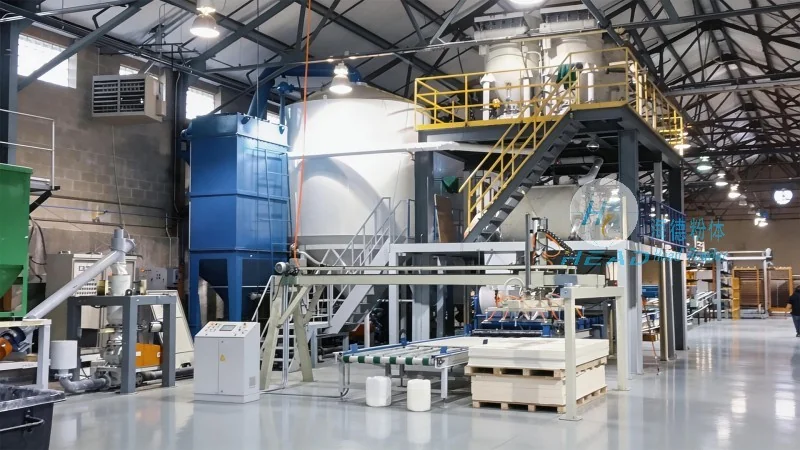
The Lantan coal pneumatic conveying system is engineered to efficiently transport lantan coal—a type of low-ash, high-calorific value coal—over long distances with minimal loss and high reliability. This system is particularly suited for applications in power plants, cement factories, and other industrial facilities where consistent and safe material handling is critical. The system operates by using compressed air to create a flow that moves the coal particles through a network of pipes, ensuring smooth and continuous transport without the need for mechanical components that may cause wear or maintenance issues.
The Lantan coal pneumatic conveying system comprises several critical components that work in tandem to ensure optimal performance. These include:
1. Feeder Unit: The feeder unit is responsible for feeding the lantan coal into the system at a controlled rate. It ensures a consistent flow of material into the conveying line, preventing blockages and maintaining system efficiency. The design of the feeder is tailored to handle the specific characteristics of lantan coal, such as its particle size and density.
2. Conveying Pipe Network: The core of the system is the network of pipes that transport the coal. These pipes are typically made of durable materials like stainless steel or high-grade plastic to withstand the abrasive nature of coal particles and the pressure of the compressed air. The pipe network is designed with appropriate bends and elbows to accommodate the required conveying path while minimizing pressure losses.
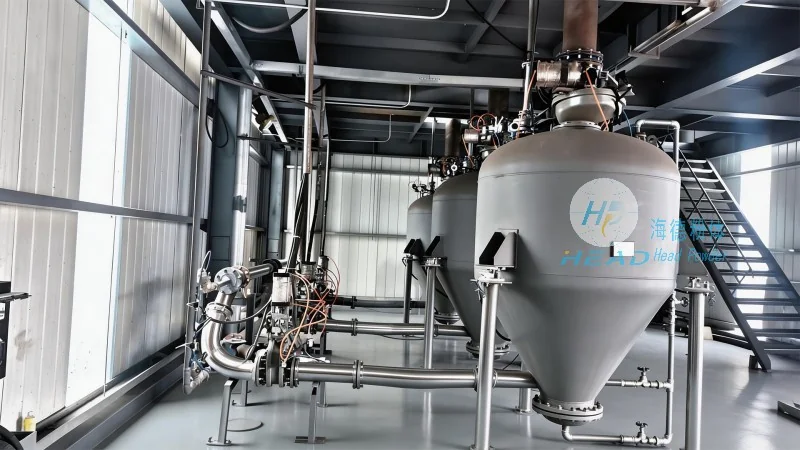
3. Compressor and Air Treatment System: The compressor generates the necessary pressure to move the coal particles through the pipes. The air treatment system, which includes filters and dryers, ensures that the air used is clean and dry, preventing contamination of the coal and reducing the risk of system corrosion. This component is crucial for maintaining the longevity and efficiency of the entire system.
4. Control System: The control system monitors and regulates the operation of the pneumatic conveying system. It includes sensors for pressure, flow, and temperature, as well as control valves and actuators that adjust the system parameters in real-time. This allows for precise control over the conveying process, ensuring that the system operates within optimal parameters and responds quickly to any changes in demand or conditions.
The Lantan coal pneumatic conveying system operates on the principle of pneumatic transport, where the coal particles are suspended and carried by a stream of compressed air. The process begins when the feeder unit introduces the lantan coal into the conveying pipe. The compressor then supplies high-pressure air, which creates a flow that lifts and moves the coal particles through the pipe network. The air velocity is carefully controlled to ensure that the coal particles remain suspended without settling or causing blockages. As the coal travels through the pipes, it is transported to the destination point, such as a storage silo or processing unit.
One of the key advantages of this system is its ability to handle the unique properties of lantan coal. Unlike traditional mechanical conveying systems, which may struggle with the abrasive nature of coal, the pneumatic system minimizes wear and tear on components. Additionally, the system can transport coal over long distances with minimal energy consumption, making it an economical choice for industrial applications.
The Lantan coal pneumatic conveying system is widely used in various industrial sectors due to its versatility and efficiency. Some of the primary applications include:
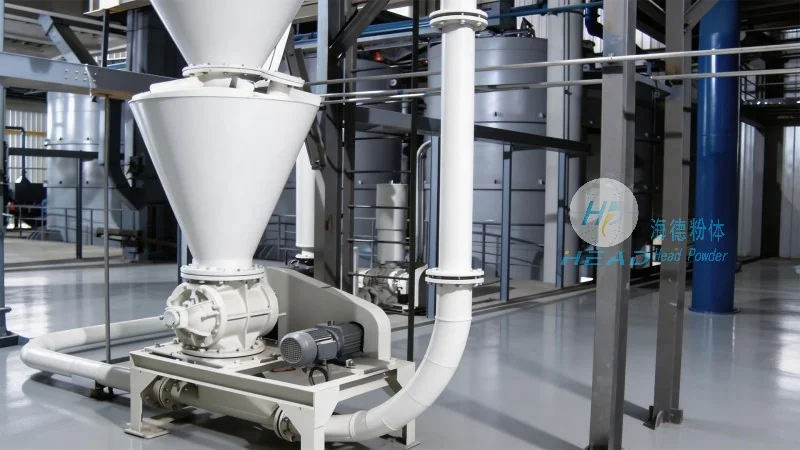
1. Power Generation: In power plants, the system is used to transport lantan coal from storage silos to the boiler feed system. This ensures a continuous supply of fuel, which is essential for maintaining stable power generation.
2. Cement Production: Cement factories rely on the system to transport coal to the kilns, where it is used as a fuel source. The efficient transport of coal helps in maintaining the required fuel-to-cement ratio, improving the overall efficiency of the cement production process.
3. Industrial Processing: Other industrial facilities, such as chemical plants and steel mills, use the system to transport coal for various processing steps. The system's ability to handle large volumes of material makes it ideal for these applications.
Some of the key benefits of the Lantan coal pneumatic conveying system include:
• High Efficiency: The system can transport large volumes of lantan coal over long distances with minimal energy consumption.
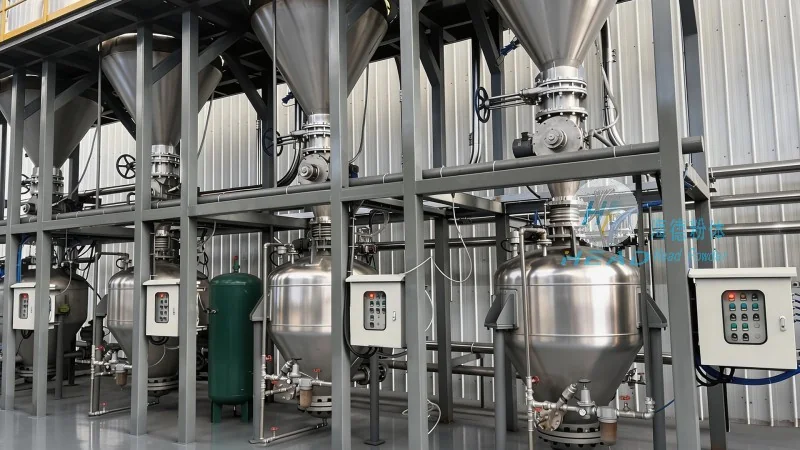
• Low Maintenance: The absence of mechanical components reduces the need for frequent maintenance and repairs.
• Safe and Clean Operation: The system operates in a closed environment, preventing dust emissions and ensuring a safe working environment.
• Flexibility: The system can be easily modified to accommodate changes in conveying requirements or to integrate with existing industrial infrastructure.
HeadPowder Engineering Co., Ltd., based in Shandong, China, has developed the Lantan coal pneumatic conveying system as a reliable and efficient solution for the transportation of lantan coal in various industrial applications. By leveraging advanced engineering principles and high-quality materials, the system offers superior performance, low maintenance requirements, and environmental benefits. For industries seeking a robust and cost-effective method of handling lantan coal, the Lantan coal pneumatic conveying system from HeadPowder is an excellent choice.

 Shandong Headpowder Engineering Co., Ltd.
 156-6277-7102(Manager Zhang)
  0531-83386006
  Zhangqiu District, Jinan City, Shandong Province, China
telephone
WeChatconsult
top