With more than 10‑year industry experience, Shandong Headpowder delivers full‑service pneumatic‑conveying systems and blowers, undertaking nationwide turn‑key powder‑handling projects.
Designing an effective quartz sand pneumatic conveying system requires a thorough understanding of material properties, system components, and operational parameters. The goal is to create a system that minimizes downtime, reduces maintenance costs, and maximizes throughput while maintaining the integrity of the quartz sand. This article provides a comprehensive overview of key design considerations for quartz sand pneumatic conveying systems, with a focus on practical implementation and performance optimization.
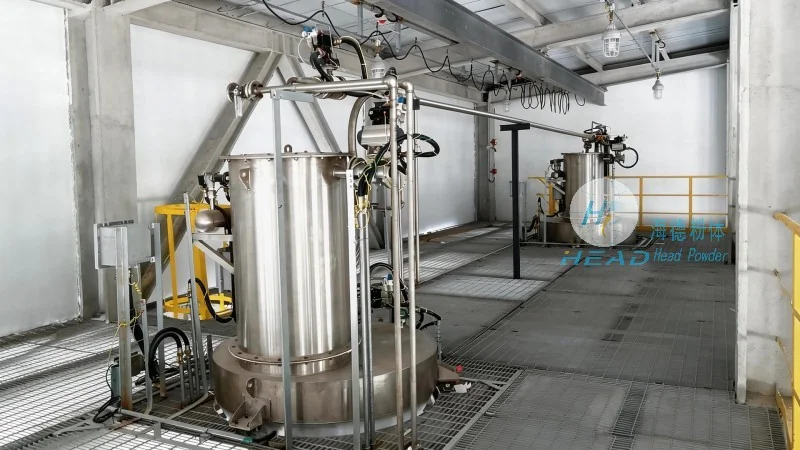
The physical and chemical properties of quartz sand significantly influence the design of a pneumatic conveying system. Quartz sand is typically a fine to medium-grained material with a relatively high density and abrasive nature. These characteristics affect the selection of equipment, such as the type of feeder, the design of the pipeline, and the choice of air compressor. For instance, the abrasive nature of quartz sand may require the use of wear-resistant materials for the pipeline and components to extend their service life. Additionally, the particle size distribution and moisture content of the sand can impact the air velocity required for proper conveying, as well as the risk of clogging in the system.
There are several types of pneumatic conveying systems, and the choice of system type depends on the application requirements and the characteristics of the quartz sand. The most common types include dilute-phase and dense-phase systems. Dilute-phase systems operate at higher air velocities, typically 20-30 m/s, and are suitable for short to medium distances and low to medium material loads. Dense-phase systems, on the other hand, operate at lower air velocities (5-15 m/s) and are used for longer distances and higher material loads, as they provide better control over the material flow and reduce the risk of material degradation or degradation.
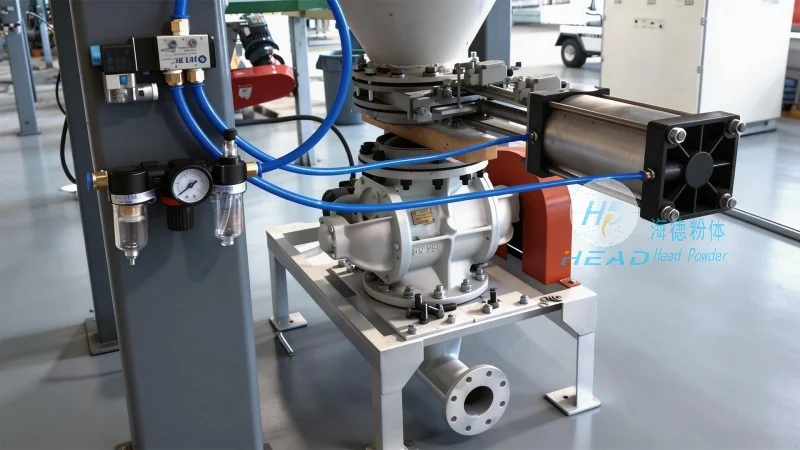
The design of the pipeline is a critical aspect of quartz sand pneumatic conveying system design. The pipeline must be sized appropriately to handle the required material flow rate and air velocity. The diameter of the pipeline is determined by the material's bulk density, particle size, and the desired air velocity. For quartz sand, a pipeline diameter of 50-150 mm is commonly used, depending on the system's capacity. The pipeline should be designed with smooth, straight sections to minimize pressure losses and avoid areas where material can accumulate or clog. Elbows, bends, and other fittings should be selected carefully to minimize resistance and ensure consistent material flow. Additionally, the pipeline should be constructed from materials that are resistant to abrasion and corrosion, such as stainless steel or high-density polyethylene, to ensure long-term durability.
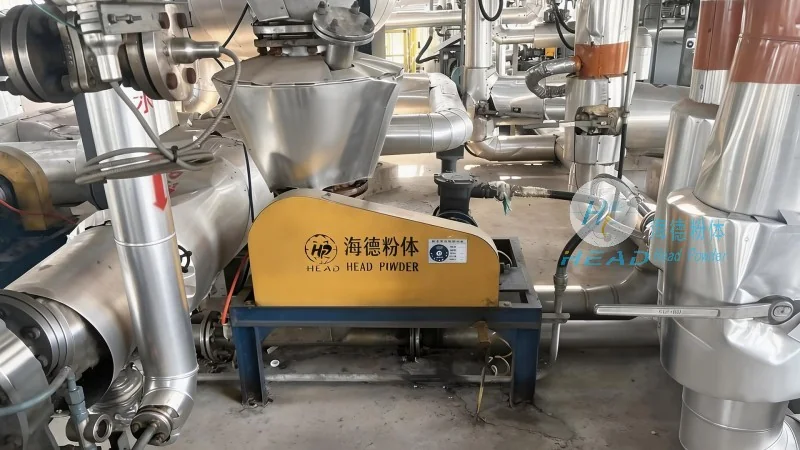
The air source and compressor are crucial components of a pneumatic conveying system. The compressor must be capable of providing the required air volume and pressure to move the quartz sand through the pipeline. The choice of compressor depends on the system's capacity, the distance to be covered, and the material's characteristics. For quartz sand applications, a positive displacement compressor or a rotary lobe compressor is often used. The compressor should be equipped with a filter and dryer to remove moisture and contaminants from the air, as moisture can cause clogging and corrosion in the system. The air pressure and volume should be optimized to ensure efficient conveying while minimizing energy consumption.
The feeder is responsible for feeding the quartz sand into the pneumatic conveying system at a consistent rate. The choice of feeder depends on the material's flow properties and the system's requirements. For quartz sand, a rotary valve or a screw feeder is commonly used. The feeder must be designed to handle the abrasive nature of the material and to provide a consistent flow rate to maintain system stability. The feeder should be equipped with wear-resistant components to extend its service life. Additionally, the feeder should be integrated with the system's control system to ensure that the material flow is adjusted automatically based on the system's demand.
Effective control and monitoring systems are essential for the reliable operation of a quartz sand pneumatic conveying system. The system should be equipped with sensors and controls to monitor parameters such as air pressure, flow rate, and material level. These sensors provide real-time data that can be used to adjust the system's operation and prevent potential issues. For example, if the air pressure drops, the system can automatically increase the air volume to maintain the conveying rate. The control system should also include alarms and safety features to alert operators of any abnormalities or potential hazards. This helps to minimize downtime and ensure the safety of the system and its operators.
Maintenance is a critical aspect of the long-term operation of a quartz sand pneumatic conveying system. Regular maintenance is required to ensure that the system operates efficiently and reliably. The maintenance schedule should include inspections of the pipeline, components, and equipment to identify any signs of wear or damage. The pipeline should be inspected for any signs of clogging or corrosion, and the components should be replaced as needed. The air compressor and feeder should be serviced regularly to ensure that they are operating at optimal performance. Troubleshooting is also an important part of system operation, as it helps to identify and resolve any issues that may arise. Common issues in quartz sand pneumatic conveying systems include clogging, pressure loss, and material degradation. By following the recommended maintenance procedures and troubleshooting guidelines, operators can minimize downtime and extend the life of the system.

 Shandong Headpowder Engineering Co., Ltd.
 156-6277-7102(Manager Zhang)
  0531-83386006
  Zhangqiu District, Jinan City, Shandong Province, China
telephone
WeChatconsult
top