With more than 10‑year industry experience, Shandong Headpowder delivers full‑service pneumatic‑conveying systems and blowers, undertaking nationwide turn‑key powder‑handling projects.
HeadPowder, a leading engineering firm based in Shandong, China, specializes in the design and manufacturing of advanced pneumatic conveying systems for various industrial applications. This article provides an in-depth overview of magnesium oxide pneumatic conveying lines, focusing on their structural design and operational principles to help clients understand the technology's capabilities and benefits.
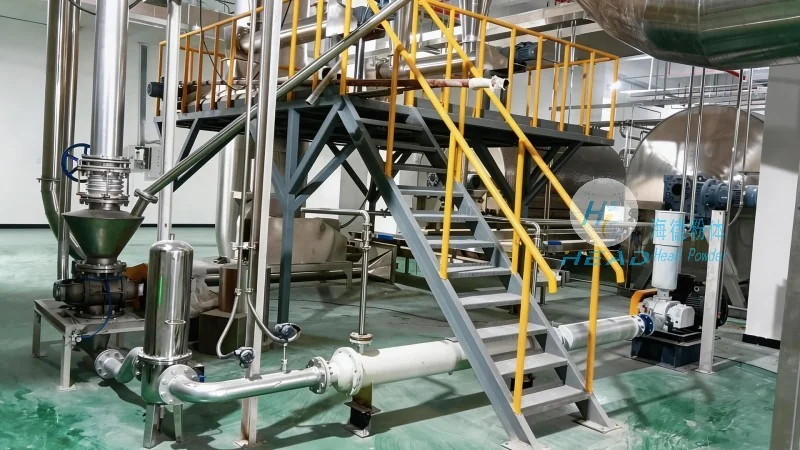
Magnesium oxide (MgO), also known as magnesia, is a widely used industrial material in sectors such as refractory, chemical, and pharmaceutical industries. Efficient and reliable material handling is crucial for maintaining production efficiency and product quality. Pneumatic conveying systems offer a solution by transporting bulk materials like magnesium oxide through a pipeline using air or gas as the conveying medium. This method eliminates the need for mechanical components like belts or buckets, reducing maintenance costs and improving safety.
The magnesium oxide pneumatic conveying line typically consists of several core components that work in concert to ensure smooth material transport. These components include:
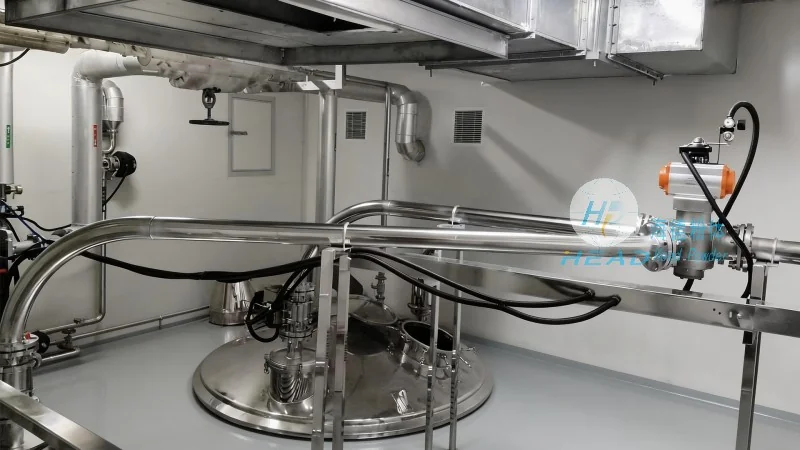
The operation of a magnesium oxide pneumatic conveying system involves several steps. First, the feeder introduces the magnesium oxide material into the conveying pipe. Simultaneously, the air supply system generates a flow of air or gas that moves through the pipe. The material is then entrained by the air stream and carried through the pipeline to the receiver. The control system continuously monitors the process, adjusting the air flow and material feed rate as needed to maintain optimal performance. This closed-loop system ensures efficient and reliable material transport with minimal human intervention.
Implementing a pneumatic conveying system for magnesium oxide offers several advantages over traditional mechanical conveying methods. These benefits include:
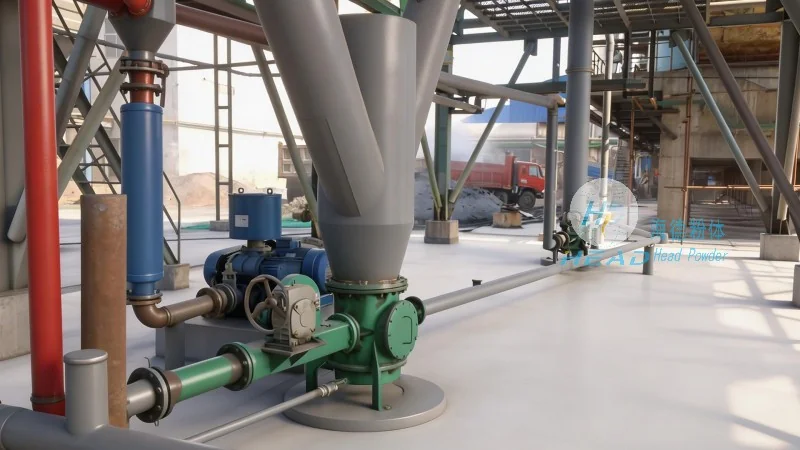
Magnesium oxide pneumatic conveying systems are widely used in various industrial applications. For example, in the refractory industry, they are used to transport raw materials to production lines. In the chemical industry, they help in moving magnesium oxide powders between processing stages. The pharmaceutical industry also benefits from these systems as they ensure the safe and hygienic handling of materials, meeting stringent quality standards.
Shandong HeadPowder Engineering Co., Ltd., with its headquarters in Shandong, China, is a trusted provider of pneumatic conveying solutions tailored to the needs of magnesium oxide and other bulk material industries. Our expertise in designing and manufacturing efficient conveying systems ensures that clients receive reliable and cost-effective solutions that enhance their operational efficiency and product quality. By leveraging advanced engineering principles and high-quality materials, HeadPowder delivers systems that meet the demanding requirements of modern industrial applications.

 Shandong Headpowder Engineering Co., Ltd.
 156-6277-7102(Manager Zhang)
  0531-83386006
  Zhangqiu District, Jinan City, Shandong Province, China
telephone
WeChatconsult
top