With more than 10‑year industry experience, Shandong Headpowder delivers full‑service pneumatic‑conveying systems and blowers, undertaking nationwide turn‑key powder‑handling projects.
Plastic pellet pneumatic conveying systems are essential equipment in modern material handling and processing industries. These systems are designed to transport plastic pellets, granules, or powders through a pipeline using air or gas as the conveying medium. The technology offers a flexible, efficient, and often dust-free method for moving plastic materials from one location to another, making it a preferred choice for various applications in manufacturing, packaging, and recycling sectors.
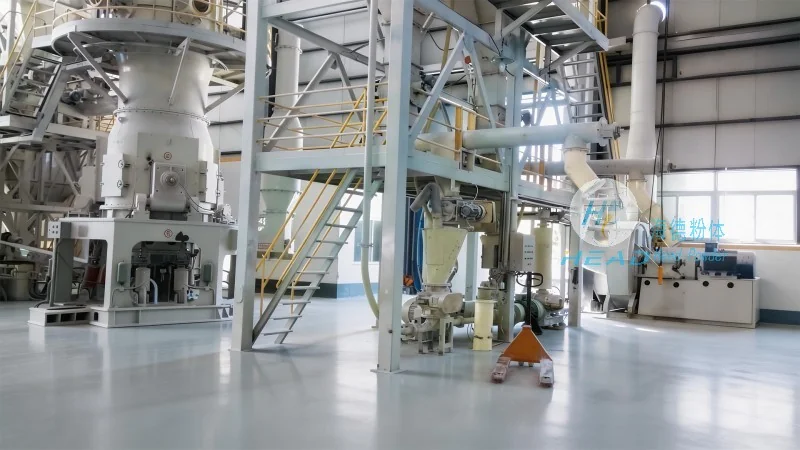
The core structure of a plastic pellet pneumatic conveying system typically consists of several critical components that work in concert to ensure reliable operation. The main elements include the material feed hopper, the air or gas source (such as a blower or compressor), the conveying pipeline, and the receiving hopper or discharge unit. Each component is engineered to handle the specific characteristics of plastic pellets, such as their size, density, and flowability.
The feed hopper is responsible for storing and feeding the plastic pellets into the system. It is usually equipped with a metering device to control the flow rate, preventing overloading or underfeeding that could affect system performance. The air source provides the necessary pressure and volume of air to create the conveying airflow. This can be a positive displacement blower, a rotary lobe blower, or a centrifugal fan, depending on the system's requirements and the material's properties. The conveying pipeline is made of materials like stainless steel or plastic, chosen for their resistance to corrosion and wear from the plastic pellets. The pipeline may include bends, elbows, or expansion joints to accommodate changes in direction and to reduce pressure losses. The receiving hopper collects the conveyed plastic pellets and can be equipped with a discharge valve or conveyor to transfer the material to the next processing stage.
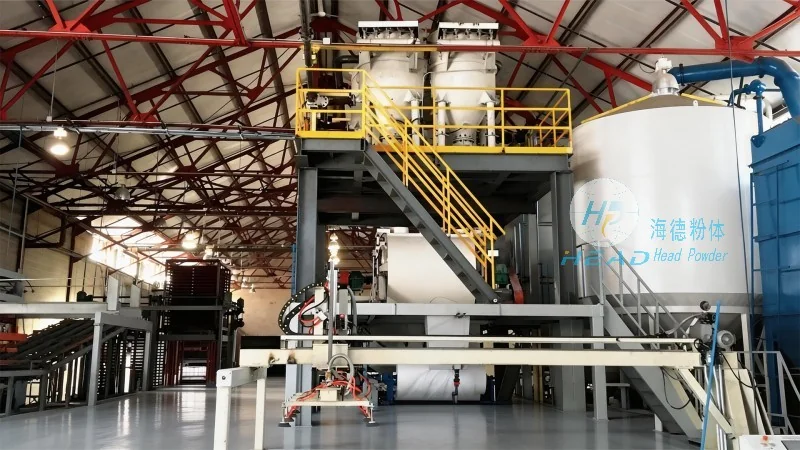
The operation of a plastic pellet pneumatic conveying system relies on the principles of fluid dynamics and particle transport. There are two primary modes of pneumatic conveying: dilute phase and dense phase. Dilute phase systems use low air velocities (typically 15-30 m/s) and low material concentrations (around 1-5% by volume) to transport pellets through the pipeline. This mode is suitable for short to medium distances and for materials that are less prone to segregation or degradation. Dense phase systems, on the other hand, operate at higher air velocities (30-60 m/s) and higher material concentrations (5-15% by volume), creating a slurry-like flow. This mode is ideal for longer distances, for materials that are sensitive to high velocities, or for applications where minimal product degradation is required.
In both modes, the air is introduced into the pipeline, creating a flow that lifts and propels the plastic pellets. The air velocity must be sufficient to overcome the gravitational force acting on the pellets and to maintain their suspension in the air stream. The system's design, including the air source capacity and the pipeline diameter, is critical to achieving the desired conveying efficiency and minimizing energy consumption.
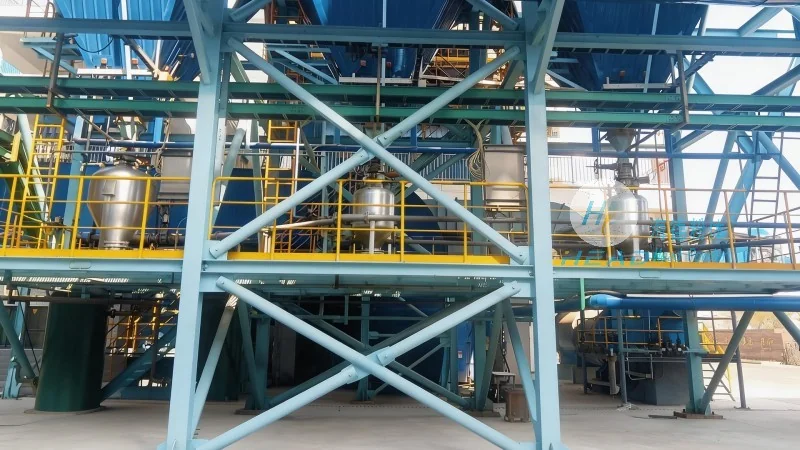
Plastic pellet pneumatic conveying systems offer several advantages over traditional mechanical conveying methods. One of the most significant benefits is the ability to transport materials in a closed system, which helps to contain dust and prevent contamination from external sources. This is particularly important for plastic pellets, which can generate fine particles that may affect downstream processes or pose health risks. Additionally, pneumatic conveying systems are flexible and can be easily integrated into existing production lines, allowing for changes in material flow direction or destination without major modifications.
Another advantage is the reduced risk of product degradation. Unlike mechanical conveyors that may cause abrasion or friction, pneumatic systems use air as the conveying medium, minimizing wear and tear on the plastic pellets. This is especially beneficial for heat-sensitive or brittle plastic materials. Furthermore, pneumatic conveying can handle a wide range of plastic pellet sizes and shapes, from fine powders to large granules, making it suitable for diverse applications.
Plastic pellet pneumatic conveying systems are widely used in various industries that handle plastic materials. In the manufacturing sector, these systems are commonly employed in polymer processing plants to transport raw plastic pellets from storage silos to extrusion or molding machines. In packaging industries, they are used to move plastic pellets from production lines to packaging equipment or storage areas. The recycling industry also utilizes pneumatic conveying systems to transport recycled plastic pellets from sorting facilities to reprocessing plants.
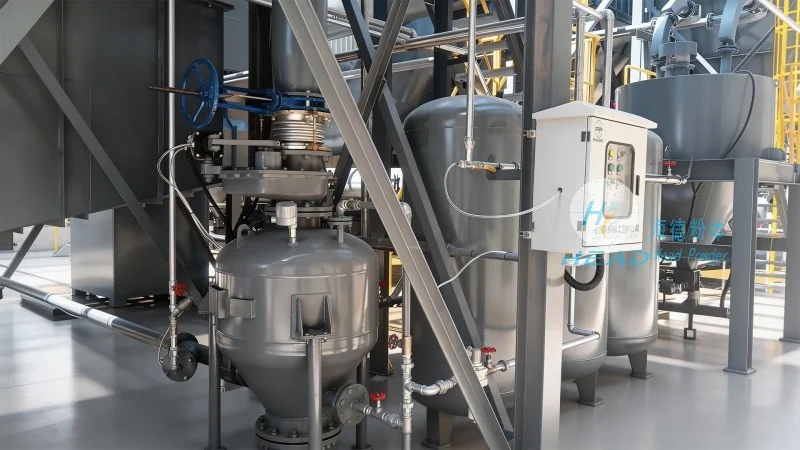
These systems are particularly valuable in applications where space is limited or where the material needs to be transported over long distances without intermediate handling. The flexibility and efficiency of pneumatic conveying make it an attractive solution for companies looking to optimize their material handling processes and improve overall productivity.
Shandong HeadPowder Engineering Co., Ltd., operating under the brand name headpowder, is a leading manufacturer of pneumatic conveying systems and related equipment. With a focus on innovation and quality, the company specializes in designing and manufacturing customized plastic pellet pneumatic conveying solutions tailored to the specific needs of its clients. Headpowder's products are engineered to meet the highest industry standards, ensuring reliable performance, durability, and energy efficiency. The company's headquarters is located in Shandong, China, where it has established a strong presence in the material handling industry.

 Shandong Headpowder Engineering Co., Ltd.
 156-6277-7102(Manager Zhang)
  0531-83386006
  Zhangqiu District, Jinan City, Shandong Province, China
telephone
WeChatconsult
top