

What is a Cottonseed Powder Pneumatic Conveying Equipment? And What Are Its Design Principles?
For industrial applications involving the handling of cottonseed powder, the selection of an appropriate conveying system is crucial for efficiency and safety. A cottonseed powder pneumatic conveying equipment is a specialized system designed to transport dry, fine materials like cottonseed powder through a pipeline using air pressure. This technology offers a reliable solution for moving bulk materials in various industrial settings, ensuring minimal product degradation and operational efficiency.
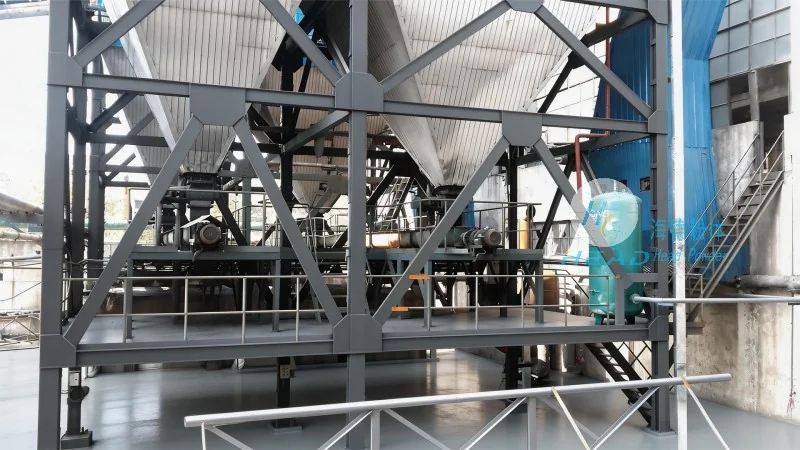
Understanding the Core Function of Cottonseed Powder Pneumatic Conveying Equipment
The primary function of a cottonseed powder pneumatic conveying system is to transport cottonseed powder from a source, such as a storage silo or processing unit, to a destination, like a processing line or storage facility. Unlike traditional mechanical conveying methods, which rely on belts or screws, pneumatic conveying uses air to move the material, making it ideal for handling fine, dusty powders that are prone to clogging or degradation under mechanical stress. The system typically consists of a hopper, a conveying line, and a receiver, all connected to a blower or compressor that generates the necessary air pressure. This equipment is commonly used by companies like Shandong HeadPowder Engineering Co., Ltd., a leading manufacturer specializing in bulk material handling solutions.
Key Design Principles Behind Cottonseed Powder Pneumatic Conveying Equipment
The design of a cottonseed powder pneumatic conveying equipment is based on several critical principles to ensure optimal performance and material handling. First, the system must maintain consistent air velocity within the conveying line to prevent material settling or blockages. This is achieved by controlling the air flow rate and pressure, which is typically regulated by a blower or compressor. Second, the equipment must incorporate features to minimize material degradation, such as using smooth, non-abrasive surfaces for the conveying line and avoiding high-velocity impacts that could damage the cottonseed particles. Third, the system is designed to handle varying material flow rates, allowing for flexibility in production processes. This adaptability is essential for industries where cottonseed powder is processed in batches or at different production speeds. The engineering team at Shandong HeadPowder Engineering Co., Ltd. focuses on these principles to develop equipment that meets the specific needs of their clients.
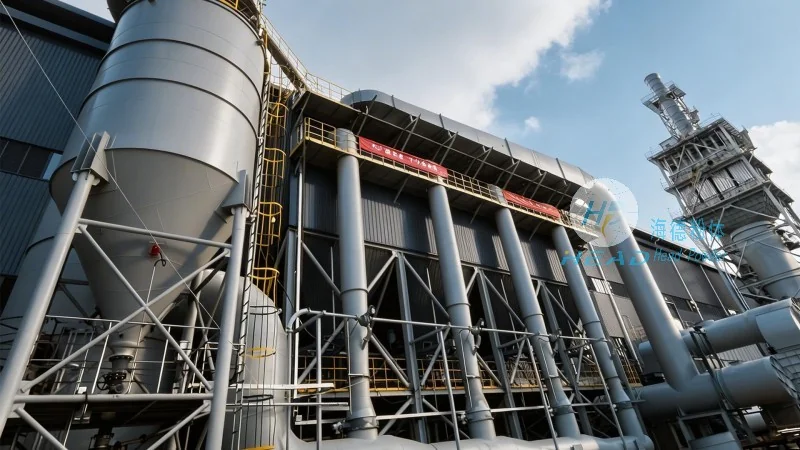
The Role of Air Pressure and Flow Rate in Pneumatic Conveying
Air pressure and flow rate are the two most critical parameters in the operation of a cottonseed powder pneumatic conveying system. The air pressure, generated by the blower or compressor, creates the force needed to move the cottonseed powder through the pipeline. The flow rate, which is the volume of air moving per unit time, determines the speed at which the material is conveyed. Proper adjustment of these parameters is essential to prevent issues such as material buildup, excessive energy consumption, or uneven material distribution. For example, in a high-capacity system, a higher air pressure and flow rate may be required to handle larger volumes of cottonseed powder efficiently. Conversely, in a low-capacity system, lower pressure and flow rates can be used to conserve energy while still maintaining effective material transport. The control systems used in these equipment are designed to optimize these parameters for different operational conditions.
Components and Their Functions in the Conveying System
A cottonseed powder pneumatic conveying equipment consists of several key components, each with a specific function. The hopper is the initial container where cottonseed powder is stored before being fed into the system. It is designed to hold a large volume of material and features a discharge valve that controls the flow rate into the conveying line. The conveying line, typically made of stainless steel or other corrosion-resistant materials, is the main pathway for the material and air. It is equipped with bends and elbows to direct the flow and maintain consistent air velocity. The receiver is the final container where the cottonseed powder is deposited after being conveyed. It is usually equipped with a dust collection system to prevent material loss and maintain a clean environment. The blower or compressor is the power source that generates the air pressure needed to move the material. It is typically connected to a control panel that allows operators to adjust the pressure and flow rate as needed. The materials used in these components are chosen to withstand the corrosive and abrasive nature of cottonseed powder, ensuring long-term durability.
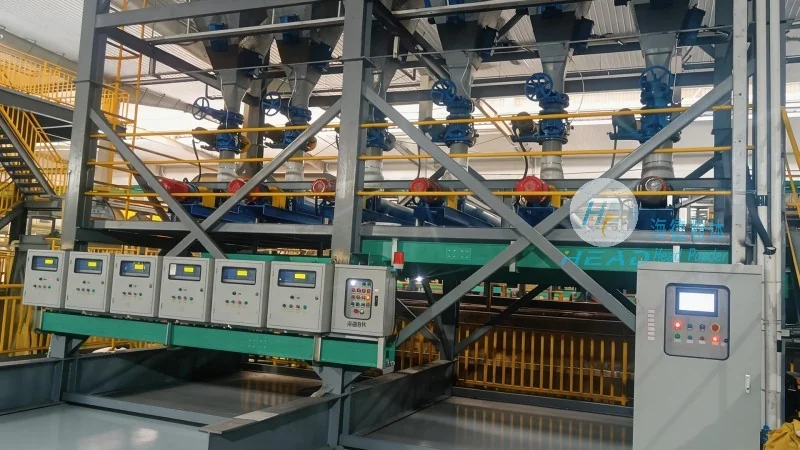
Advantages of Using Cottonseed Powder Pneumatic Conveying Equipment
There are several advantages to using a cottonseed powder pneumatic conveying equipment for industrial applications. First, it offers a high degree of flexibility in material handling, allowing for the transport of cottonseed powder over long distances and to multiple destinations. Second, the system is relatively simple to install and maintain, with fewer moving parts compared to mechanical conveying systems. Third, it provides a clean and hygienic environment for handling food-grade materials like cottonseed powder, as the material is contained within the pipeline and does not come into contact with external surfaces. Fourth, the system can be integrated with other processing equipment, such as grinding or mixing units, to create a seamless production line. These advantages make pneumatic conveying an attractive option for industries that require efficient and reliable material transport. Companies like Shandong HeadPowder Engineering Co., Ltd. leverage these benefits to provide comprehensive solutions for their clients.
Considerations for Selecting and Implementing a Cottonseed Powder Pneumatic Conveying System
When selecting a cottonseed powder pneumatic conveying system, several factors must be considered to ensure it meets the specific needs of the application. First, the material characteristics of the cottonseed powder, such as particle size, moisture content, and flowability, must be evaluated. These factors affect the air velocity and pressure required for effective conveying. Second, the distance and number of destinations for the material must be determined, as this influences the size and capacity of the system. Third, the available space and budget must be considered, as larger systems require more space and higher initial investment. Fourth, the environmental regulations and safety standards must be taken into account, as the system must comply with local and international guidelines. By carefully considering these factors, industries can select a suitable cottonseed powder pneumatic conveying system that maximizes efficiency and minimizes operational costs. The team at Shandong HeadPowder Engineering Co., Ltd. assists clients in evaluating these factors to recommend the most appropriate equipment for their operations.