

What is a Sodium Hexafluorophosphate Powder Pneumatic Conveying Line? And What Are Its Design Princi
Understanding the sodium hexafluorophosphate powder pneumatic conveying line is crucial for industries dealing with this specific chemical. This article aims to provide a comprehensive overview of what such a system entails and the underlying design principles that govern its operation. By breaking down the components and the engineering behind these systems, we can better appreciate their functionality and importance in material handling processes.
Introduction to Sodium Hexafluorophosphate Powder Pneumatic Conveying
Sodium hexafluorophosphate (NaPF₆) is a white crystalline powder commonly used in various industrial applications, including pharmaceuticals, electronics, and chemical manufacturing. Handling this powder efficiently and safely is essential due to its potential reactivity and the need for precise dosing. A pneumatic conveying line offers a solution by transporting the powder through a pressurized or vacuum system, eliminating the need for traditional bulk handling methods like trucks or conveyor belts.
Key Components of a Pneumatic Conveying System
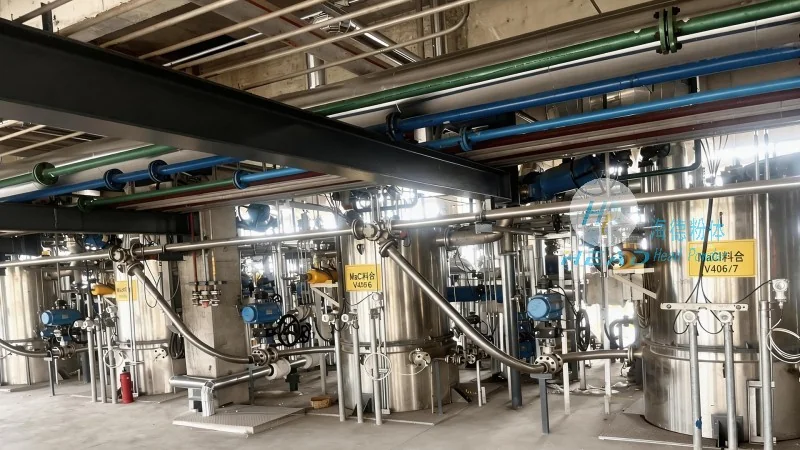
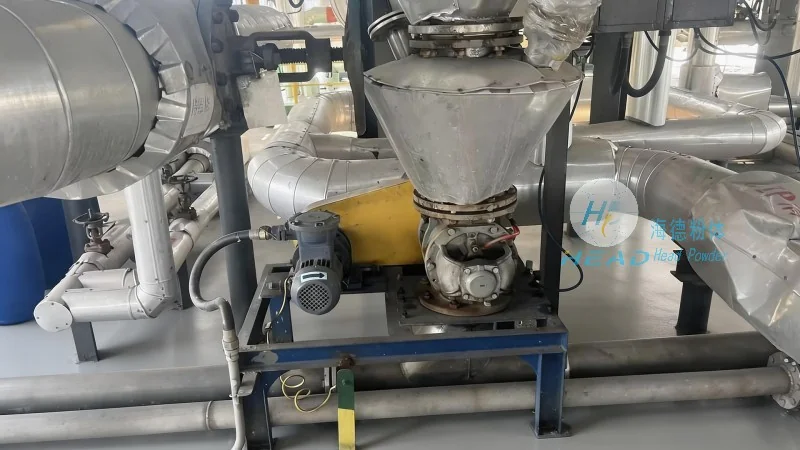
The core components of a sodium hexafluorophosphate powder pneumatic conveying line include the hopper, feeder, conveying line (pipe), air compressor or vacuum pump, and the receiving hopper. Each component plays a vital role in ensuring the smooth and efficient transport of the powder. The hopper serves as the storage container, holding the bulk of the sodium hexafluorophosphate powder. The feeder, typically a rotary valve or a screw feeder, regulates the flow of powder from the hopper into the conveying line. The conveying line, usually made of stainless steel or other corrosion-resistant materials, is designed to withstand the pressure and chemical properties of the powder. The air compressor or vacuum pump provides the necessary airflow to move the powder particles through the system. Finally, the receiving hopper collects the powder at the destination point, completing the transport process.
Design Principles for Efficient Pneumatic Conveying
The design of a sodium hexafluorophosphate powder pneumatic conveying line is based on several key principles to ensure optimal performance. One of the primary principles is the velocity of the air stream, which must be sufficient to lift and transport the powder particles without causing excessive wear or degradation. The velocity is typically calculated based on the particle size, density, and the specific gravity of the powder. Another critical principle is the pressure drop across the system, which must be minimized to reduce energy consumption and prevent blockages. The system design also considers the flow rate, which is determined by the required throughput and the characteristics of the powder. Additionally, the system must be designed to handle the potential moisture content and the chemical stability of the sodium hexafluorophosphate powder, ensuring that the materials used are compatible and do not react with the powder.
Advantages of Pneumatic Conveying for Sodium Hexafluorophosphate
Implementing a pneumatic conveying line for sodium hexafluorophosphate offers several advantages over traditional handling methods. Firstly, it provides a closed system, which helps to prevent dust contamination and exposure to the powder, enhancing workplace safety. Secondly, it allows for precise control over the flow rate and dosing, ensuring accurate and consistent delivery of the powder to the processing equipment. Thirdly, it reduces the risk of product contamination and cross-contamination, which is particularly important in pharmaceutical and food industries. Fourthly, it minimizes the need for manual handling, reducing labor costs and the risk of human error. Finally, it can be integrated with other processing equipment, such as mixers or reactors, to create a seamless production line.
Considerations for System Maintenance and Safety
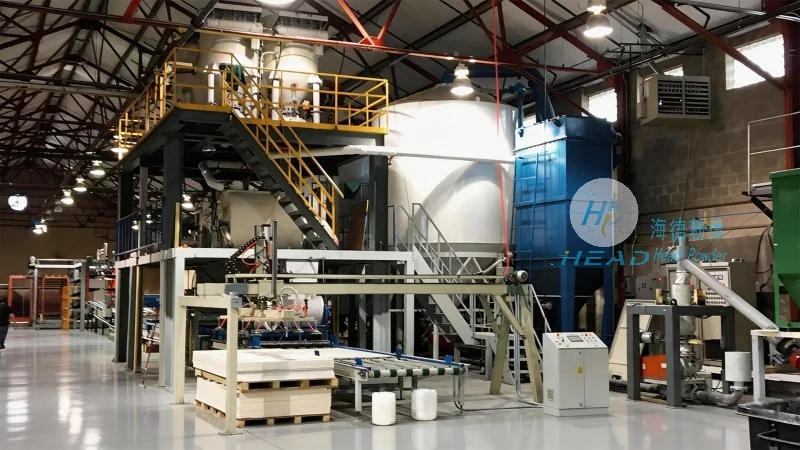
Proper maintenance and safety measures are essential for the long-term operation of a sodium hexafluorophosphate powder pneumatic conveying line. Regular inspection of the conveying line and components is necessary to detect any signs of wear, corrosion, or blockages. The air compressor or vacuum pump should be maintained to ensure optimal performance and to prevent overheating. The system should be equipped with safety features, such as pressure relief valves and dust collection systems, to protect against accidents and environmental hazards. Additionally, personnel handling the system should be trained on proper safety procedures, including the use of personal protective equipment (PPE) and emergency response protocols.
Conclusion: The Importance of a Well-Designed Pneumatic Conveying Line
In conclusion, a sodium hexafluorophosphate powder pneumatic conveying line is a sophisticated system that plays a critical role in the efficient and safe handling of this important chemical. The design principles and components work together to ensure that the powder is transported reliably and with minimal risk. By understanding the key aspects of such a system, industries can make informed decisions about implementing or upgrading their material handling processes. The expertise of companies like Shandong HeadPowder Engineering Co., Ltd. is vital in designing and installing these systems, ensuring that they meet the specific needs and requirements of their clients.