

What is a Sodium Bicarbonate Powder Pneumatic Conveying System? And What Are Its Design Principles?
HeadPowder, a leading engineering firm based in Shandong, China, specializes in the design and implementation of advanced pneumatic conveying systems. With a focus on precision and efficiency, the company has established itself as a trusted partner for industries requiring reliable powder handling solutions. HeadPowder's expertise lies in creating customized systems tailored to the unique needs of clients, ensuring optimal performance and durability.
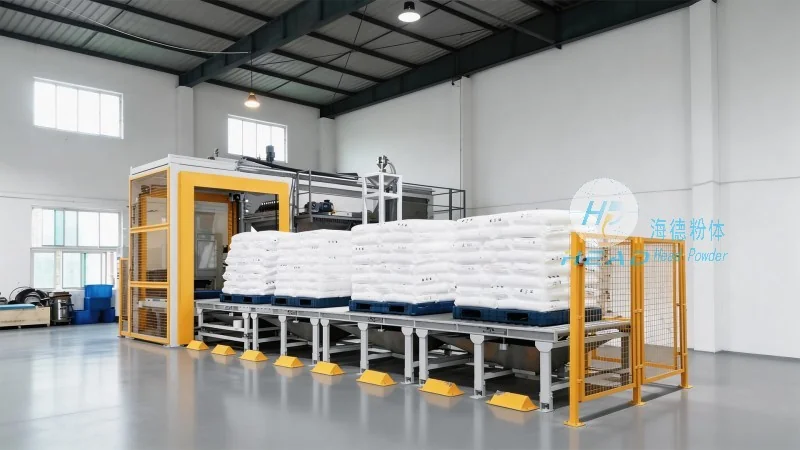
What is a Sodium Bicarbonate Powder Pneumatic Conveying System?
A sodium bicarbonate powder pneumatic conveying system is a specialized industrial setup designed to transport sodium bicarbonate powder through a pressurized air stream. This technology is crucial for moving the fine, dry powder from storage silos or processing units to various destinations such as packaging lines, reactors, or storage containers. The system operates by using compressed air to create a flow that carries the powder particles, eliminating the need for mechanical components like conveyor belts or buckets that might cause contamination or damage to the delicate powder.
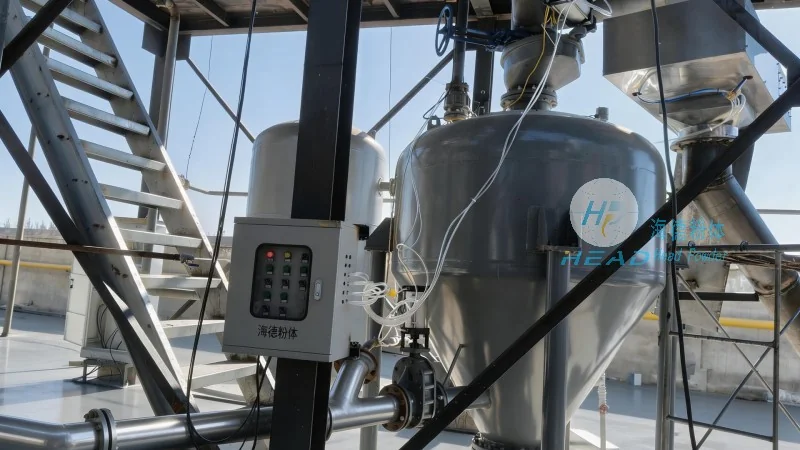
Design Principles of the Sodium Bicarbonate Powder Pneumatic Conveying System
The design of a sodium bicarbonate powder pneumatic conveying system is based on fundamental principles of fluid dynamics and material handling. The core concept involves creating a pressure differential between the source and destination points, enabling the powder to be suspended and transported by the air flow. Key design considerations include the selection of appropriate air velocities, pressure levels, and system components to ensure efficient and safe transport. The system typically consists of a blower or positive displacement compressor to generate the necessary air pressure, a hopper or silo to store the powder, and a pipeline network that connects the source to the discharge point. The design also incorporates features like air filters and moisture control to maintain the quality of the sodium bicarbonate powder during transport.
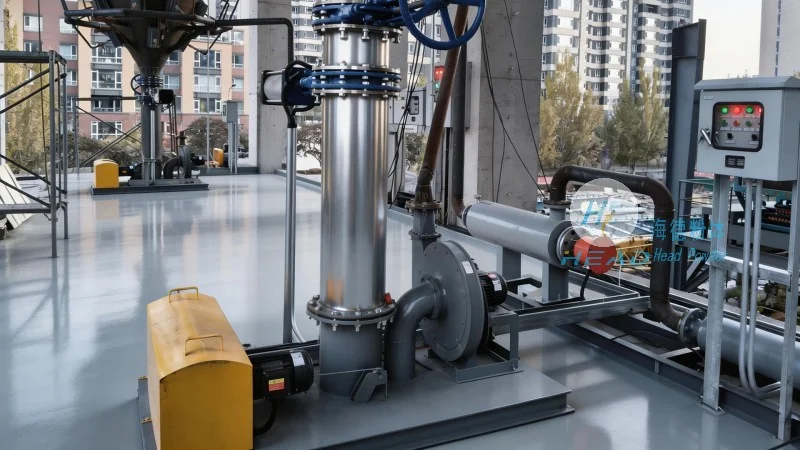
Key Components of the System
The sodium bicarbonate powder pneumatic conveying system comprises several critical components that work in harmony to achieve efficient transport. The primary components include a blower or positive displacement compressor, which provides the necessary air pressure to move the powder. The hopper or storage silo is designed to hold the sodium bicarbonate powder, with a discharge valve or feeder to control the flow rate. The pipeline system, usually made of stainless steel or other corrosion-resistant materials, ensures the powder is transported without degradation. Additionally, the system may include air filters to remove dust and moisture, and a dust collection system to prevent environmental contamination. The control panel allows operators to monitor and adjust the system parameters, ensuring optimal performance.
Applications in Industrial Settings
Sodium bicarbonate powder pneumatic conveying systems are widely used in various industrial applications where the handling of fine powders is essential. These systems are commonly employed in food processing, pharmaceutical manufacturing, chemical production, and other industries that require precise and hygienic powder transport. For instance, in food processing, the system can transport sodium bicarbonate from storage to packaging lines, ensuring consistent quality and preventing cross-contamination. In pharmaceutical manufacturing, the system maintains the purity of the powder by minimizing exposure to air and contaminants. The system's ability to handle large volumes of powder efficiently makes it suitable for high-demand production environments.
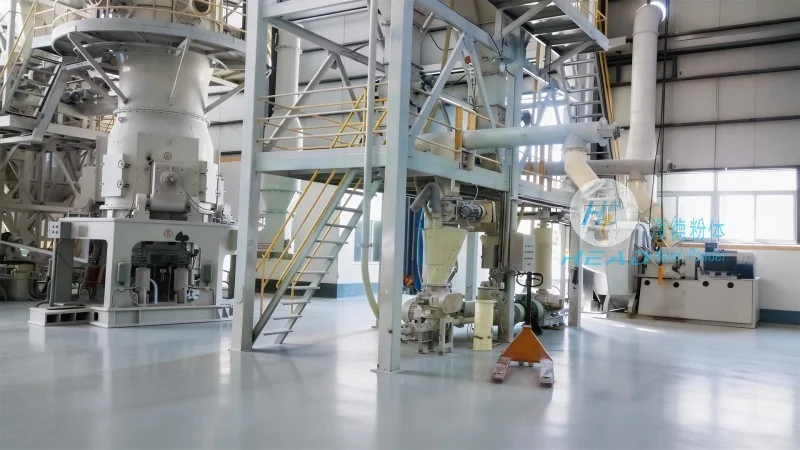
Advantages of the Pneumatic Conveying System
Compared to traditional mechanical conveying methods, the sodium bicarbonate powder pneumatic conveying system offers several advantages. One of the key benefits is the elimination of mechanical contact with the powder, which reduces the risk of contamination and product degradation. The system also allows for flexible and compact installation, as the pipeline can be routed through existing structures without the need for large machinery. Additionally, the system can handle a wide range of powder characteristics, including different particle sizes and moisture contents. The ability to control the flow rate and pressure provides operators with greater precision in managing the transport process. Furthermore, the system is energy-efficient and can be integrated with other industrial processes, reducing overall operational costs.