With more than 10‑year industry experience, Shandong Headpowder delivers full‑service pneumatic‑conveying systems and blowers, undertaking nationwide turn‑key powder‑handling projects.
For businesses in the fish meal processing industry, efficient material handling is crucial for maintaining production efficiency and product quality. Pneumatic conveying systems offer a reliable solution for transporting fish meal, a fine powder that requires careful handling to prevent degradation and loss. This article explores the operation process and working principle of fish meal material pneumatic conveying equipment, highlighting how it enhances operational performance and ensures consistent material transport.
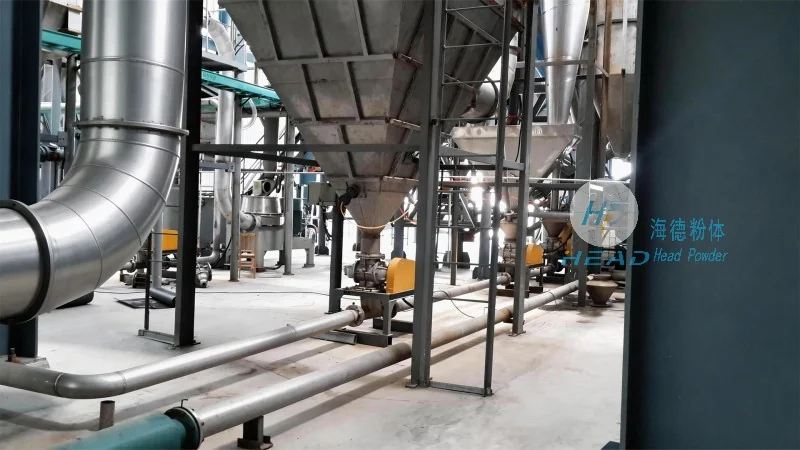
The fish meal pneumatic conveying system typically consists of several key components that work in tandem to achieve efficient material transport. These include a hopper for material storage, a conveyor line with appropriate ducting, a blower or compressor to generate airflow, and a receiver for the discharged material. Each component plays a vital role in the overall functionality of the system, ensuring that fish meal is moved safely and effectively from one location to another.
At its core, pneumatic conveying uses air pressure to move solid materials like fish meal through a pipeline. The process begins with the material being fed into the hopper, where it is then drawn into the conveyor line by the airflow generated by the blower. The air, often mixed with the material in a specific ratio, creates a slurry that travels through the ducting. As the mixture moves, it passes through various sections of the pipeline, including bends and filters, which help maintain the integrity of the fish meal and prevent blockages. The material is then separated from the air in the receiver, where it is collected for further processing or storage.
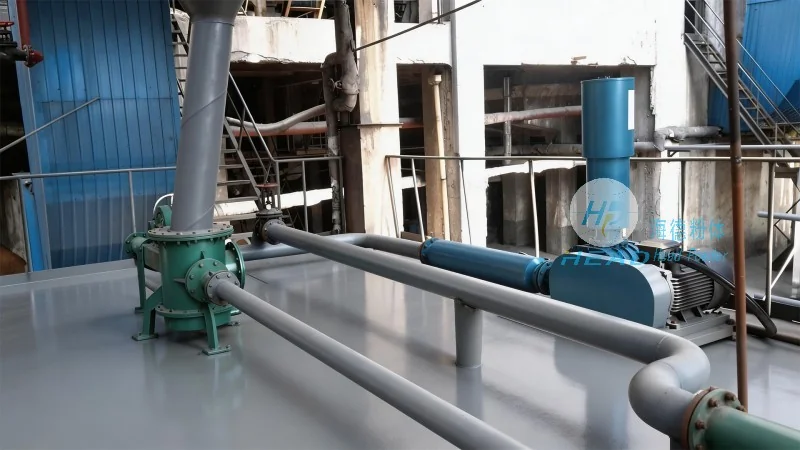
The operation of a fish meal pneumatic conveying system involves a series of controlled steps to ensure smooth and continuous material transport. First, the system is started by activating the blower, which establishes the necessary airflow. The fish meal is then added to the hopper, and the feeder mechanism controls the flow rate into the conveyor line. As the material is conveyed, the system monitors pressure and flow rates to maintain optimal performance. The receiver collects the discharged fish meal, and the process repeats as needed. This step-by-step approach ensures that the system operates efficiently, minimizing downtime and maximizing throughput.
Implementing a pneumatic conveying system for fish meal offers several advantages over traditional methods like belt conveyors or manual handling. These systems are enclosed, which helps prevent dust and contamination, preserving the quality of the fish meal. They also provide a more hygienic environment, which is critical in food processing applications. Additionally, pneumatic conveyors can handle fine powders like fish meal without causing segregation or degradation, ensuring that the material remains consistent in quality and texture. The enclosed design also reduces the risk of environmental contamination and improves workplace safety.
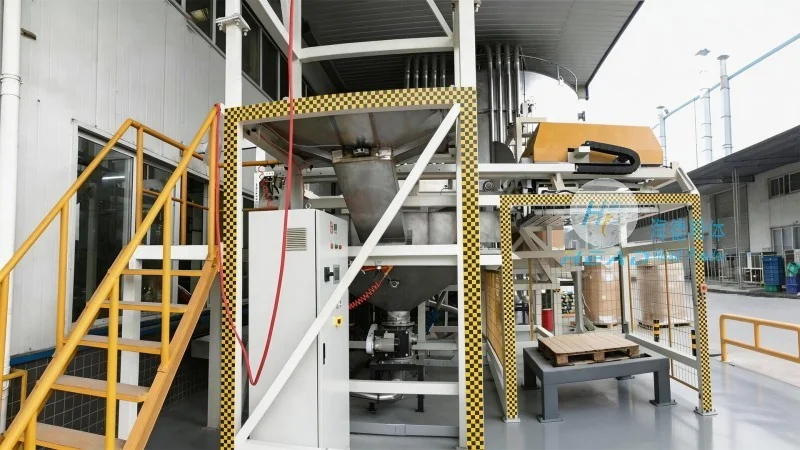
Fish meal pneumatic conveying equipment is widely used in various industries that rely on fish meal as a key ingredient. These include animal feed manufacturing, aquaculture, and pet food production. In animal feed plants, the system efficiently transports fish meal from storage silos to mixing and processing areas, ensuring that raw materials are available when needed. In aquaculture facilities, the equipment helps deliver fish meal to feeding stations, optimizing feeding schedules and reducing waste. The consistent and hygienic transport of fish meal also benefits pet food manufacturers, who require high-quality ingredients for their products. By using pneumatic conveying, these industries can improve their operational efficiency and maintain product quality.
In conclusion, fish meal material pneumatic conveying equipment is a sophisticated solution for efficient and reliable material handling in the fish meal processing industry. By understanding the operation process and working principle of these systems, businesses can optimize their operations, reduce costs, and improve product quality. The enclosed design, hygienic handling, and consistent transport capabilities make pneumatic conveying an ideal choice for businesses looking to enhance their material handling processes. With proper maintenance and operation, these systems provide long-term benefits, ensuring that fish meal is transported safely and efficiently from one stage of production to the next.

 Shandong Headpowder Engineering Co., Ltd.
 156-6277-7102(Manager Zhang)
  0531-83386006
  Zhangqiu District, Jinan City, Shandong Province, China
telephone
WeChatconsult
top