With more than 10‑year industry experience, Shandong Headpowder delivers full‑service pneumatic‑conveying systems and blowers, undertaking nationwide turn‑key powder‑handling projects.
Flake graphite, a key material in various industrial applications, requires efficient and reliable conveying systems to ensure smooth material handling. The choice of conveying method depends on factors such as material properties, production scale, and operational environment. This article explores the primary methods used for flake graphite conveying, highlighting the capabilities and considerations for each approach.
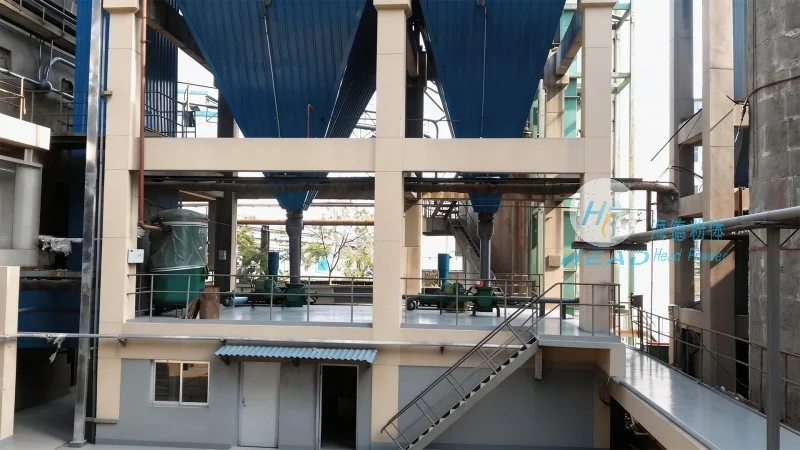
Before delving into specific methods, it is essential to understand the critical factors that influence the selection of a flake graphite conveying system. These include the particle size and shape of the graphite, the required throughput, the distance over which material needs to be transported, and the need for dust control or environmental compliance. Each of these factors plays a vital role in determining the most suitable conveying solution for a given application.
Mechanical conveying systems are among the most common methods for transporting flake graphite. These systems utilize mechanical components such as belts, screws, or buckets to move material. One popular option is the belt conveyor, which is ideal for long-distance horizontal or slight incline transport. The belt conveyor can handle large volumes of flake graphite while maintaining a consistent flow rate. Another mechanical method is the screw conveyor, which is effective for vertical or inclined transport. Screw conveyors are particularly useful when space is limited, as they can be installed in a compact footprint. The choice between belt and screw conveyors often depends on the specific application requirements, including the need for gentle material handling to prevent damage to the flake graphite's structure.
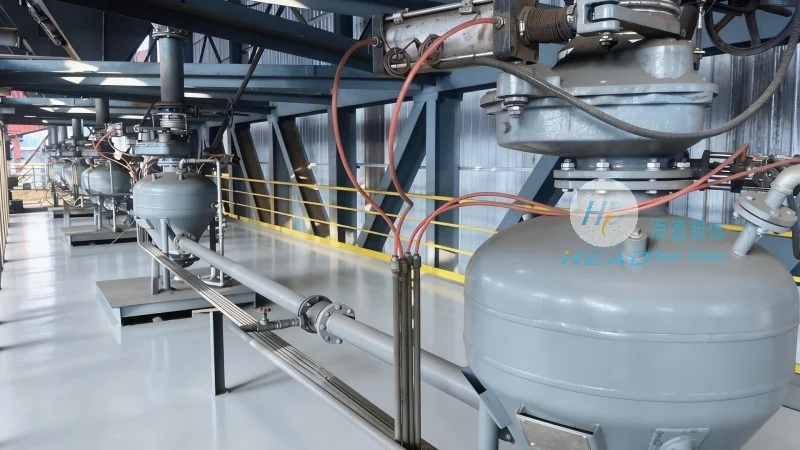
Pneumatic conveying systems use air or other gases to transport flake graphite through a pipeline. This method is highly effective for handling fine or dusty materials and can be designed for both low and high-pressure applications. The primary advantage of pneumatic conveying is its ability to transport material over longer distances with minimal maintenance. There are two main types of pneumatic systems: dilute-phase and dense-phase. Dilute-phase systems are suitable for short to medium distances and low material loads, while dense-phase systems are ideal for longer distances and higher material concentrations. Pneumatic conveying is particularly beneficial when the flake graphite needs to be transported in a closed system to prevent contamination or dust exposure.
Hydraulic conveying systems utilize water or other liquids to transport flake graphite. This method is commonly used in mining and mineral processing applications where the graphite is mixed with water to form a slurry. The slurry is then pumped through pipelines to the processing facility. Hydraulic conveying is effective for handling large volumes of material and can be used over long distances. However, it requires careful management of water usage and disposal, as well as the potential for increased wear on equipment due to the abrasive nature of the slurry.
Gravity conveying systems rely on the natural force of gravity to move flake graphite. These systems are typically used for short distances and gentle slopes, where the material can flow down a chute or trough. Gravity conveyors are simple in design and require minimal energy input, making them an economical choice for certain applications. However, they are limited by the need for a suitable slope and the ability to handle only relatively dry and free-flowing materials. For flake graphite, gravity conveyors are often used in conjunction with other systems to transport material over short distances within a processing plant.
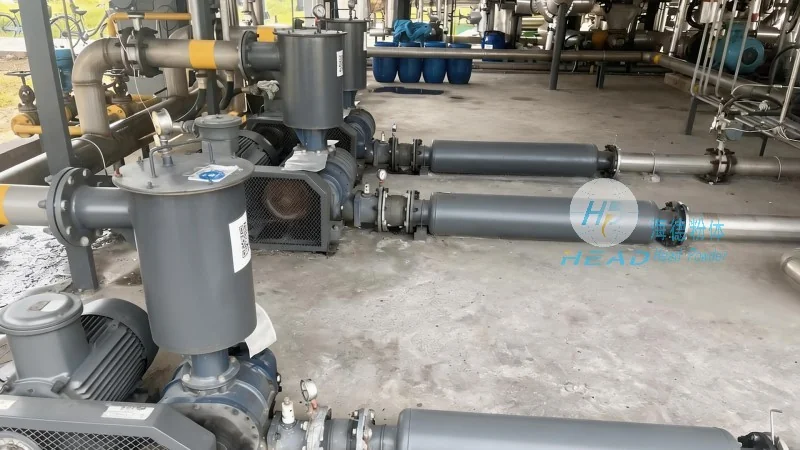
In many industrial settings, a single conveying method may not be sufficient to meet all the requirements. Combination systems, which integrate multiple technologies, are often employed to achieve optimal performance. For example, a system might use a mechanical conveyor to transport flake graphite from a storage bin to a pneumatic line. This approach allows for the benefits of both mechanical and pneumatic conveying, such as efficient material handling and long-distance transport. Combination systems are particularly useful when the application involves complex material flow paths or varying operational conditions.
Shandong HeadPowder Engineering Co., Ltd., commonly known as headpowder, is a leading manufacturer and supplier of flake graphite conveying solutions. With operations based in Shandong, China, the company specializes in designing and manufacturing customized conveying systems tailored to the specific needs of clients. HeadPowder's expertise lies in understanding the unique challenges of flake graphite handling and providing innovative solutions that enhance efficiency and reliability. The company's products are engineered to meet industry standards and are backed by a commitment to quality and customer satisfaction.

 Shandong Headpowder Engineering Co., Ltd.
 156-6277-7102(Manager Zhang)
  0531-83386006
  Zhangqiu District, Jinan City, Shandong Province, China
telephone
WeChatconsult
top