With more than 10‑year industry experience, Shandong Headpowder delivers full‑service pneumatic‑conveying systems and blowers, undertaking nationwide turn‑key powder‑handling projects.
At Shandong HeadPowder Engineering Co., Ltd., we specialize in the design, manufacturing, and implementation of advanced additive powder pneumatic conveying systems. These systems are critical in industries where the efficient and reliable transport of fine powders is essential. The following content provides a detailed overview of the operational process and underlying principles that govern the functionality of such systems.
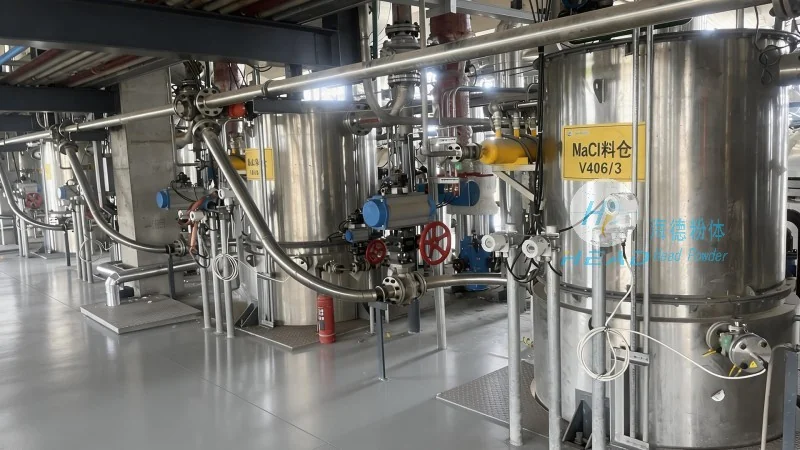
The core components of an additive powder pneumatic conveying system include the hopper, feeder, air compressor, conveying line, and receiver. The hopper serves as the storage vessel for the additive powder, ensuring a consistent supply of material. The feeder, typically a rotary valve or a screw feeder, regulates the flow of powder from the hopper into the conveying line. The air compressor generates the necessary air pressure to move the powder particles through the system. The conveying line, often made of metal or flexible tubing, transports the powder-air mixture. Finally, the receiver collects the delivered powder and separates it from the air.
The operation of an additive powder pneumatic conveying system begins with the loading of the hopper with the required additive powder. Once the hopper is filled, the feeder is activated to control the flow rate of the powder. Simultaneously, the air compressor starts, generating compressed air that enters the conveying line. The compressed air creates a flow that lifts and propels the powder particles through the system. As the powder travels through the line, it is mixed with the air, forming a dense or dilute phase stream depending on the system design. The receiver at the end of the line captures the powder, while the air is either filtered and recirculated or vented to the atmosphere.
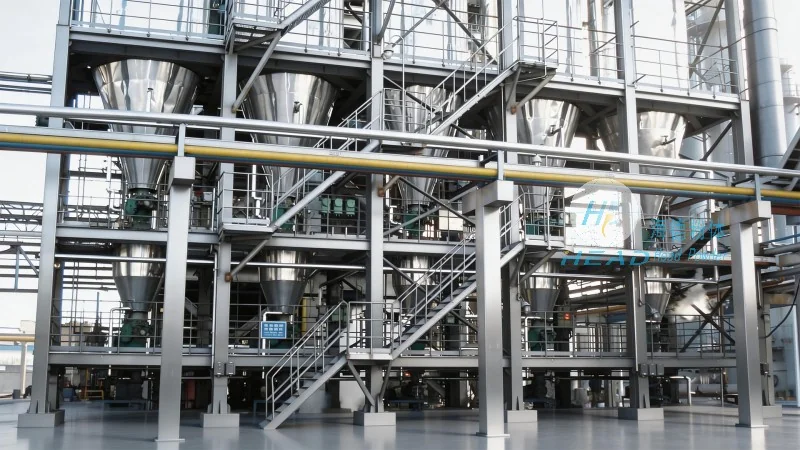
The fundamental working principle of a pneumatic conveying system is based on the fluidization of powder particles by the moving air. When the air velocity in the conveying line exceeds the minimum fluidization velocity of the powder, the particles become suspended and transported as a fluidized mixture. This process relies on the balance between the air pressure, particle size, and density. The system's design, including the type of feeder, air compressor capacity, and line configuration, is optimized to maintain this fluidization state, ensuring efficient and low-damage transport of the additive powder.
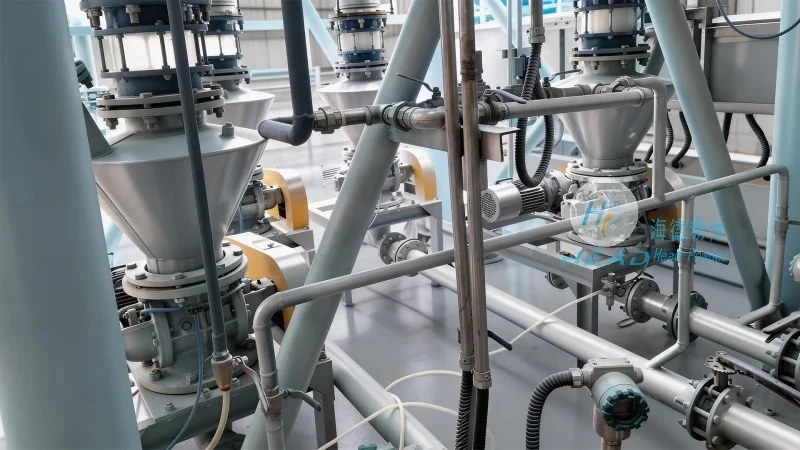
Compared to traditional mechanical conveying methods, pneumatic systems offer several advantages for transporting additive powders. These include the ability to handle fine, abrasive, or hygroscopic powders without significant degradation. The enclosed system prevents dust contamination and environmental exposure, enhancing safety and product quality. Additionally, pneumatic conveying can be integrated with other processing equipment, such as mixers or reactors, allowing for seamless material transfer within production lines. The flexibility of system design also enables adaptation to varying production rates and powder characteristics.
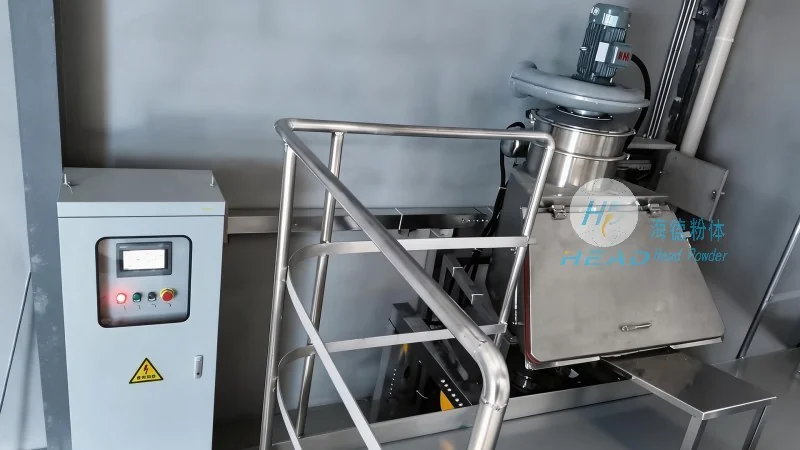
Additive powder pneumatic conveying systems are widely used across various industries, including pharmaceuticals, food processing, chemicals, and manufacturing. In pharmaceutical applications, the systems ensure the safe and hygienic transport of active ingredients and excipients. In the food industry, they handle powders like sugar, flour, and spices, maintaining product purity and preventing cross-contamination. In chemical manufacturing, the systems transport raw materials and additives for processing, supporting efficient production workflows. The versatility of these systems makes them a preferred choice for industries requiring precise and reliable powder handling solutions.
Shandong HeadPowder Engineering Co., Ltd. is committed to providing high-quality additive powder pneumatic conveying systems that meet the diverse needs of industrial applications. By leveraging advanced engineering and manufacturing capabilities, we ensure that our systems deliver optimal performance, reliability, and efficiency. Our expertise in system design and integration enables us to tailor solutions that enhance productivity and product quality for our clients. With a focus on innovation and customer satisfaction, HeadPowder continues to be a leader in the field of powder handling technology.

 Shandong Headpowder Engineering Co., Ltd.
 156-6277-7102(Manager Zhang)
  0531-83386006
  Zhangqiu District, Jinan City, Shandong Province, China
telephone
WeChatconsult
top