With more than 10‑year industry experience, Shandong Headpowder delivers full‑service pneumatic‑conveying systems and blowers, undertaking nationwide turn‑key powder‑handling projects.
For industrial applications involving the transport of polyethylene powder, efficient and reliable pneumatic conveying systems are essential. These systems utilize air or other gases to move bulk materials through pipelines, offering advantages such as reduced contamination, improved safety, and the ability to handle materials in a closed environment. Understanding the operation process and working principles of such systems is crucial for optimizing performance and ensuring consistent material handling in production lines.
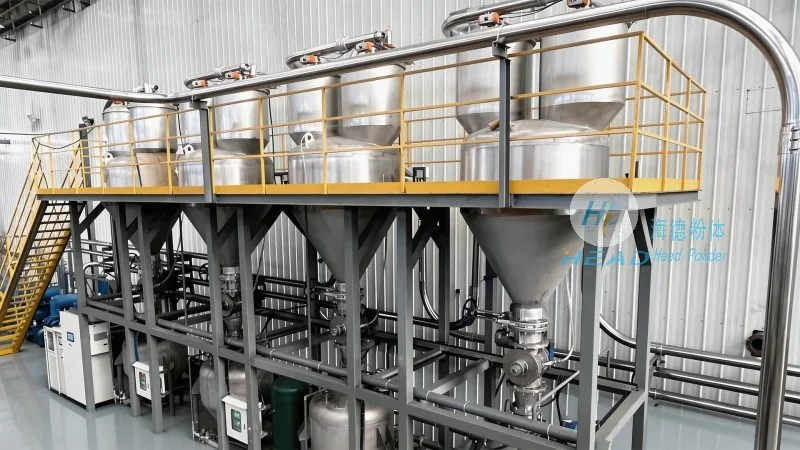
HeadPowder, a leading provider in the field of material handling solutions, specializes in the design, manufacturing, and installation of advanced pneumatic conveying systems. With a strong focus on innovation and customer satisfaction, the company has established itself as a trusted partner for businesses requiring efficient powder transport solutions. HeadPowder’s expertise lies in tailoring systems to meet specific operational needs, ensuring that clients achieve optimal performance and cost-effectiveness in their material handling processes.
A typical polyethylene powder pneumatic conveying system consists of several critical components that work in tandem to facilitate material transport. These include the material hopper, which stores the polyethylene powder; the air compressor or blower, which generates the necessary airflow; the conveyor pipeline, where the material is propelled through; and the control system, which regulates the operation of the entire system. Each component plays a vital role in ensuring smooth and efficient operation, and proper integration of these parts is essential for achieving reliable performance.
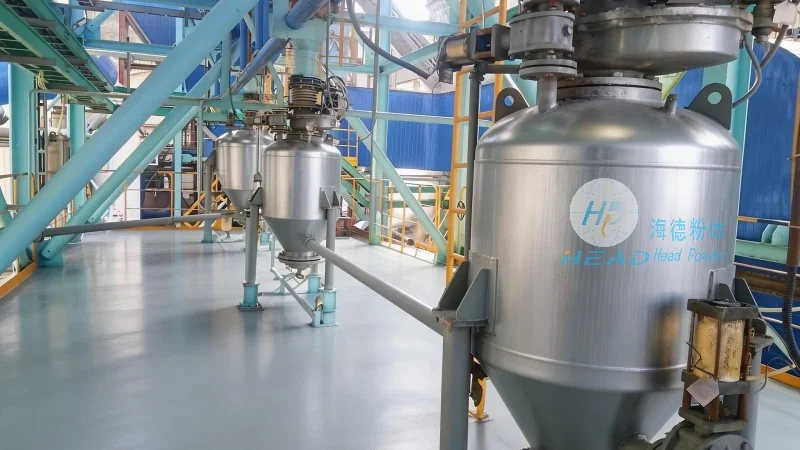
The operation of a polyethylene powder pneumatic conveying system begins with the loading of the material into the hopper. The material is then fed into the conveyor pipeline under the influence of the air flow generated by the compressor. As the air moves through the pipeline, it entrains the polyethylene powder particles, creating a slurry-like mixture that is carried to the destination point. The system typically includes a series of valves and regulators to control the flow rate and pressure, ensuring that the material is transported at the desired speed and without excessive pressure drops. At the receiving end, the material is discharged into a collection bin or processing unit, completing the transport cycle.
The core working principle of a pneumatic conveying system is based on the use of air to create a pressure differential that propels the polyethylene powder. The system operates on either positive pressure or negative pressure (or a combination of both), depending on the specific design and application requirements. In positive pressure systems, the compressor forces air into the pipeline, pushing the material forward. In negative pressure systems, a vacuum is created at the receiving end, drawing the material through the pipeline. The choice of system type depends on factors such as material characteristics, distance of transport, and environmental considerations. The efficiency of the system is determined by the air velocity, particle size, and the design of the pipeline, all of which must be optimized to minimize energy consumption and maximize material throughput.
Implementing a pneumatic conveying system for polyethylene powder offers several key advantages over traditional methods like belt conveyors or bucket elevators. One of the primary benefits is the ability to handle fine powders without the risk of dust contamination or material degradation. The closed system design ensures that the material remains contained, reducing the risk of environmental pollution and improving workplace safety. Additionally, pneumatic conveying systems can transport materials over longer distances with minimal maintenance requirements, making them suitable for large-scale industrial operations. The flexibility of these systems also allows for easy integration with existing production lines, enabling seamless material flow and process optimization.
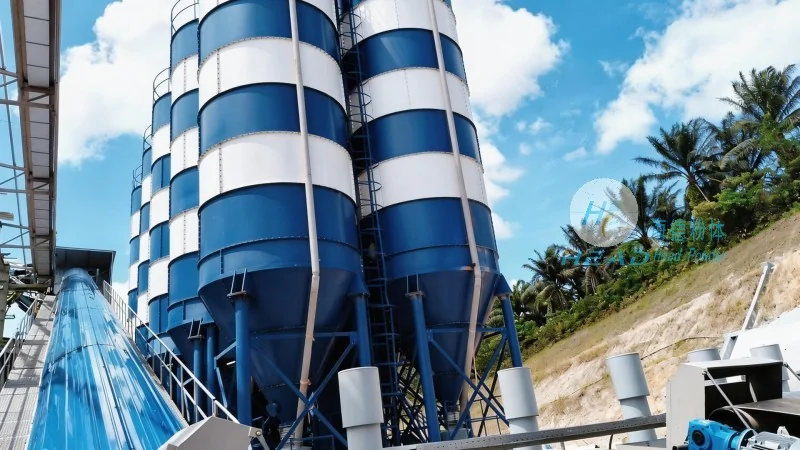
Polyethylene powder pneumatic conveying systems are widely used in various industrial sectors, including plastics manufacturing, chemical processing, and food processing. In plastics manufacturing, these systems are crucial for transporting raw polyethylene powder from storage to processing units, ensuring a consistent supply of material for extrusion and molding operations. In chemical processing, they are used to handle powders that require precise control over moisture and contamination levels, such as in the production of specialty chemicals. The versatility of pneumatic conveying systems makes them adaptable to a wide range of applications, making them a preferred choice for industries seeking reliable and efficient material handling solutions.
To ensure the long-term reliability and efficiency of a polyethylene powder pneumatic conveying system, regular maintenance and proper operational practices are essential. This includes monitoring the air compressor performance, checking for leaks in the pipeline, and cleaning the system to prevent material buildup or blockages. Proper filtration of the air is also critical to maintain the quality of the polyethylene powder and prevent damage to downstream equipment. Additionally, training operators on the proper use and maintenance of the system is important to avoid operational errors that could lead to system failures or material loss. By adhering to these best practices, businesses can maximize the lifespan of their pneumatic conveying systems and minimize downtime, ensuring consistent performance in their production processes.

 Shandong Headpowder Engineering Co., Ltd.
 156-6277-7102(Manager Zhang)
  0531-83386006
  Zhangqiu District, Jinan City, Shandong Province, China
telephone
WeChatconsult
top