With more than 10‑year industry experience, Shandong Headpowder delivers full‑service pneumatic‑conveying systems and blowers, undertaking nationwide turn‑key powder‑handling projects.
For industrial applications involving the transportation of petroleum coke powder, specialized equipment is essential to ensure efficient and safe material handling. This equipment, often referred to as petroleum coke powder material handling systems, plays a critical role in various industrial processes, particularly in the petrochemical and power generation sectors. The design and operation of these systems are tailored to address the unique challenges posed by petroleum coke powder, such as its abrasive nature and tendency to create dust. Understanding the operation process and working principle of such equipment is vital for optimizing performance and maintaining operational efficiency.
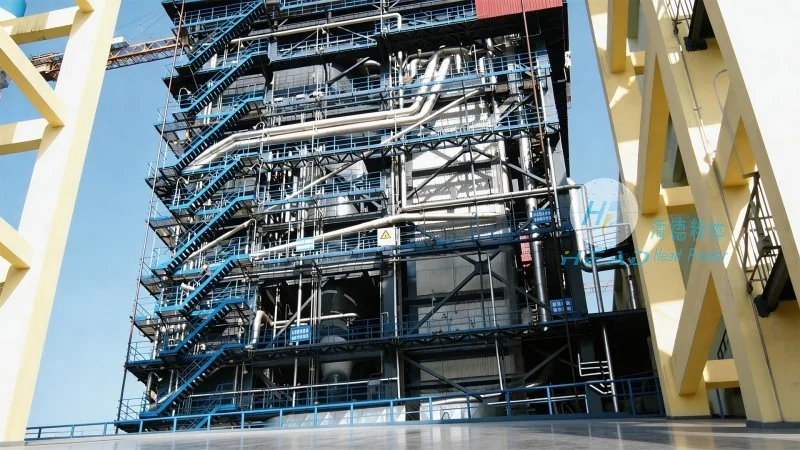
The petroleum coke powder material handling equipment typically consists of several key components that work in tandem to facilitate the movement of the material. These components include feed hoppers, conveyor belts or screw conveyors, dust collection systems, and control panels. The feed hopper is responsible for receiving the petroleum coke powder from the storage silo or bulk container, ensuring a consistent flow of material into the system. The conveyor system, which may be a belt conveyor or a screw conveyor, then transports the powder from the feed hopper to the discharge point. Dust collection systems are integrated to capture and filter airborne particles, ensuring compliance with environmental regulations and maintaining a safe working environment. The control panel allows operators to monitor and adjust the system parameters, such as conveyor speed and feed rate, to optimize performance.
The operation process of petroleum coke powder material handling equipment begins with the loading of the feed hopper. The petroleum coke powder is typically fed into the hopper from a bulk storage container or a silo. Once the hopper is filled to the appropriate level, the conveyor system is activated. The conveyor belt or screw mechanism then moves the powder from the hopper to the discharge point, which may be a storage bin, a processing unit, or a transportation vessel. During the transportation process, the dust collection system continuously operates to capture any airborne particles, preventing dust accumulation and ensuring a clean working environment. The control panel allows operators to monitor the system's performance in real-time, adjusting the conveyor speed or feed rate as needed to maintain a consistent flow of material. The entire process is designed to be automated, with minimal human intervention required, enhancing operational efficiency and reducing the risk of accidents.
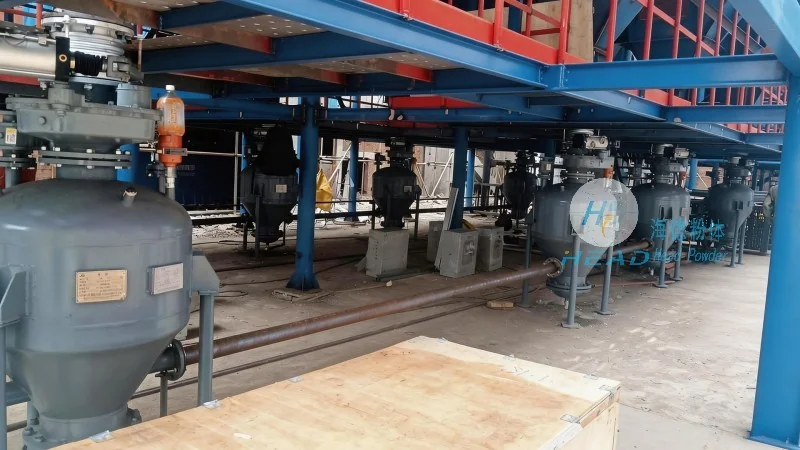
The working principle of petroleum coke powder material handling equipment is based on the principles of mechanical transportation and dust control. The feed hopper provides a controlled feed of the material, ensuring a steady flow into the conveyor system. The conveyor system, whether a belt or screw conveyor, uses mechanical energy to move the powder along the designated path. The belt conveyor relies on the friction between the conveyor belt and the material to transport it, while the screw conveyor uses a rotating screw to push the material forward. The dust collection system operates by creating a negative pressure in the system, drawing in airborne particles and capturing them in filters. The control panel uses sensors and feedback mechanisms to monitor the system's performance, adjusting parameters to maintain optimal operation. This integrated approach ensures that the equipment can handle the abrasive and dusty nature of petroleum coke powder while maintaining efficiency and safety.
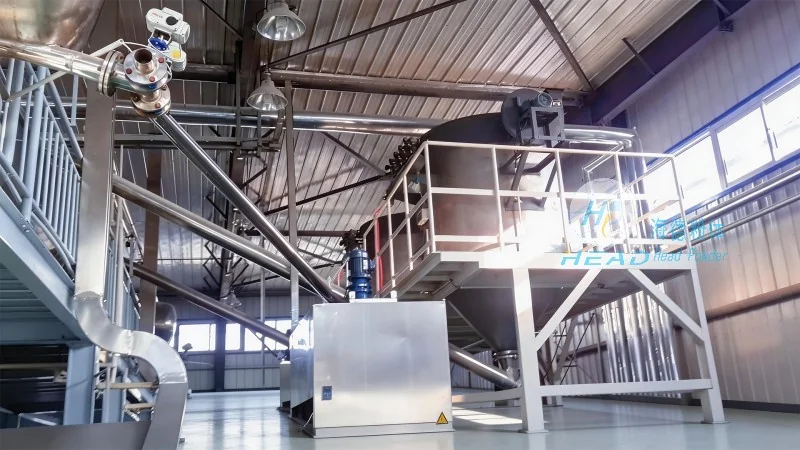
Implementing petroleum coke powder material handling equipment offers several benefits for industrial operations. Firstly, it enhances operational efficiency by providing a continuous and controlled flow of material, reducing downtime and increasing production output. Secondly, the equipment is designed to handle the abrasive nature of petroleum coke powder, minimizing wear and tear on components and extending the equipment's lifespan. Thirdly, the integrated dust collection system ensures compliance with environmental regulations, reducing the risk of fines and maintaining a safe working environment. Additionally, the automated control system allows for precise monitoring and adjustment of system parameters, improving overall process control. These benefits make petroleum coke powder material handling equipment a valuable investment for industries relying on petroleum coke powder in their operations.
In conclusion, petroleum coke powder material handling equipment is a critical component in industrial processes involving the transportation of petroleum coke powder. The operation process and working principle of these systems are designed to address the unique challenges posed by the material, ensuring efficient and safe handling. By understanding the key components, operation process, and working principle of such equipment, industries can optimize their material handling processes, improve operational efficiency, and maintain compliance with environmental regulations. The equipment, manufactured by Shandong HeadPowder Engineering Co., Ltd., based in China, is engineered to meet the demands of modern industrial applications, providing reliable and durable solutions for petroleum coke powder handling needs.

 Shandong Headpowder Engineering Co., Ltd.
 156-6277-7102(Manager Zhang)
  0531-83386006
  Zhangqiu District, Jinan City, Shandong Province, China
telephone
WeChatconsult
top