

Operation Process and Working Principle of Small Bag Quantitative Weighing Material Conveying Equipm
Small bag quantitative weighing material conveying equipment is a specialized device widely used in industrial production lines, particularly in sectors such as chemical, food, and pharmaceutical manufacturing. This equipment is designed to handle the precise measurement and transport of materials in small bag formats, ensuring consistent quality and efficiency in material handling processes. The operation of this equipment involves a series of integrated steps that work in tandem to achieve accurate weighing and reliable material transport, making it an essential component in modern automated production systems.
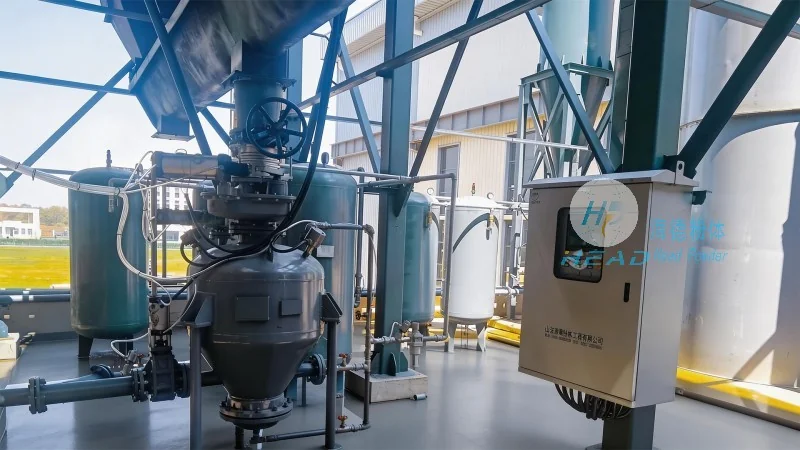
Overview of the Equipment and Its Core Functions
HeadPowder, a leading manufacturer based in Shandong, China, specializes in the design and production of advanced material handling solutions. The small bag quantitative weighing material conveying equipment from HeadPowder is engineered to meet the stringent requirements of various industrial applications. The primary functions of this equipment include: precise weight measurement of materials loaded into small bags, automatic control of material flow based on set weight parameters, and seamless integration with downstream processing or packaging systems. By combining weighing technology with material conveying mechanisms, the equipment enhances operational efficiency and reduces human error in material handling tasks.
Step-by-Step Operation Process
The operation process of the small bag quantitative weighing material conveying equipment typically follows a structured sequence of actions. Initially, the equipment receives a batch of raw materials or bulk material from a storage hopper or feeding system. The material is then transported to the weighing hopper or scale platform through a conveyor belt or screw mechanism. As the material accumulates in the weighing hopper, the integrated load cell system continuously monitors the weight, providing real-time data to the control unit. When the weight reaches the pre-set target value, the control system triggers the stop of material feeding and activates the discharge mechanism. The material is then transferred into a small bag, which is sealed and prepared for further processing or packaging. The equipment then resets and prepares for the next batch, ensuring a continuous and automated workflow.
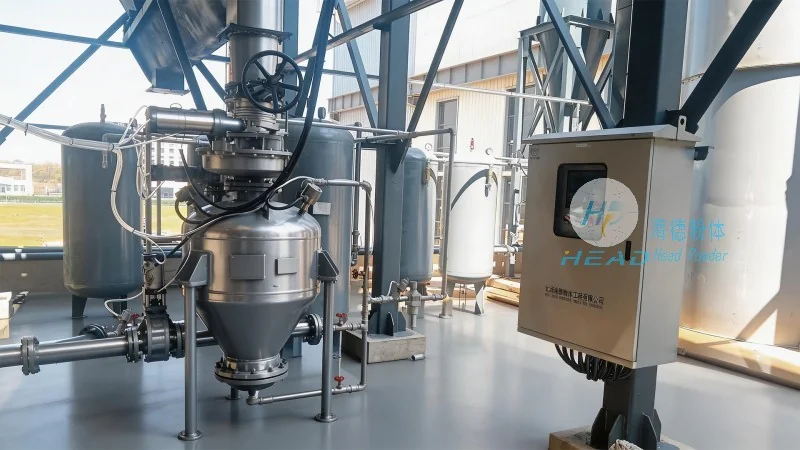
Working Principle of the Key Components
The working principle of the small bag quantitative weighing material conveying equipment relies on the coordination of several critical components. The load cell, a fundamental element in the weighing system, converts the applied force (weight of the material) into an electrical signal. This signal is transmitted to the control unit, which processes the data and compares it with the set weight parameters. The control unit then sends commands to the feeding mechanism to adjust the flow rate of material, ensuring that the weight remains within the desired range. The conveyor system, which may include belt conveyors, screw conveyors, or pneumatic conveyors, transports the material from the feeding point to the weighing hopper and subsequently to the discharge area. The sealing and packaging unit, often integrated with the weighing mechanism, ensures that the material is accurately transferred into small bags without spillage or loss. The entire system operates under the supervision of a programmable logic controller (PLC), which manages the sequence of operations, monitors system parameters, and provides feedback for adjustments, ensuring consistent performance and reliability.
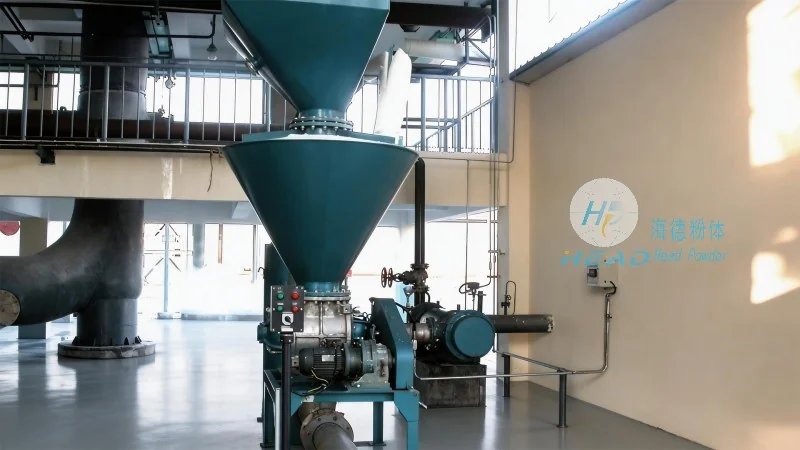
Advantages and Applications in Industrial Settings
The small bag quantitative weighing material conveying equipment offers several advantages that make it indispensable in modern industrial environments. Its ability to provide precise weight measurement and automatic control reduces material waste and improves product consistency, which is crucial for maintaining quality standards in industries such as food processing and pharmaceutical manufacturing. The equipment's automated operation minimizes the need for manual intervention, enhancing safety and reducing labor costs. Additionally, the compact design and flexible integration capabilities allow it to be adapted to various production line configurations, making it suitable for both small-scale and large-scale manufacturing operations. In the chemical industry, for example, this equipment is used to handle powders and granules with high accuracy, ensuring that each batch meets the required specifications. In the food industry, it plays a vital role in packaging ingredients for snacks, cereals, and other food products, ensuring that each bag contains the exact amount of material as per the label. The pharmaceutical industry also benefits from this equipment's precision, as it is used to package active pharmaceutical ingredients (APIs) and other medicinal powders, adhering to strict regulatory requirements for dosage accuracy.
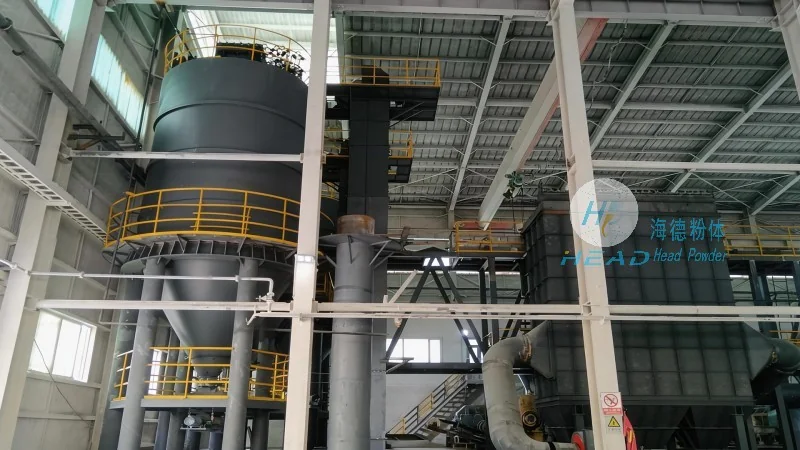
Maintenance and Operational Considerations
Proper maintenance is essential to ensure the long-term performance and reliability of the small bag quantitative weighing material conveying equipment. Regular calibration of the load cells is necessary to maintain accurate weight measurements, as environmental factors such as temperature and humidity can affect the sensor's performance. The conveyor system components, including belts and screws, should be inspected periodically for wear and tear, and replaced as needed to prevent material blockages or uneven flow. The sealing and packaging unit requires routine cleaning to prevent material buildup and ensure proper sealing of the bags. Additionally, the control system and electrical components should be checked for any signs of damage or malfunction, and the software should be updated as per the manufacturer's recommendations to ensure optimal functionality. By following a regular maintenance schedule, users can maximize the equipment's lifespan and minimize downtime, ensuring consistent production output and cost-effectiveness.
Conclusion
Small bag quantitative weighing material conveying equipment is a sophisticated solution that combines advanced weighing technology with efficient material handling capabilities. Manufactured by Shandong HeadPowder Engineering Co., Ltd. in China, this equipment is designed to meet the demanding requirements of various industrial sectors, providing precise weight measurement, automated control, and seamless integration with production lines. The operation process, which involves material feeding, weighing, and discharge into small bags, is executed with high accuracy and reliability, thanks to the coordinated action of key components such as load cells, conveyors, and control systems. The equipment's advantages, including improved product quality, reduced waste, and enhanced operational efficiency, make it a valuable asset in modern manufacturing environments. With proper maintenance and operational considerations, this equipment can deliver consistent performance and contribute to the overall success of industrial production processes.