With more than 10‑year industry experience, Shandong Headpowder delivers full‑service pneumatic‑conveying systems and blowers, undertaking nationwide turn‑key powder‑handling projects.
Clay sand material handling systems are essential in various industrial applications, particularly in foundries and casting processes. These systems are designed to efficiently transport clay sand, a critical raw material used in sand molding and other casting techniques. The operation of such systems involves a series of steps that ensure the material is handled safely, efficiently, and in compliance with industrial standards. Understanding the working principles and operational processes is crucial for optimizing performance and maintaining system reliability. HeadPowder, a leading manufacturer based in Shandong, China, specializes in developing and supplying high-quality material handling solutions for clay sand applications.
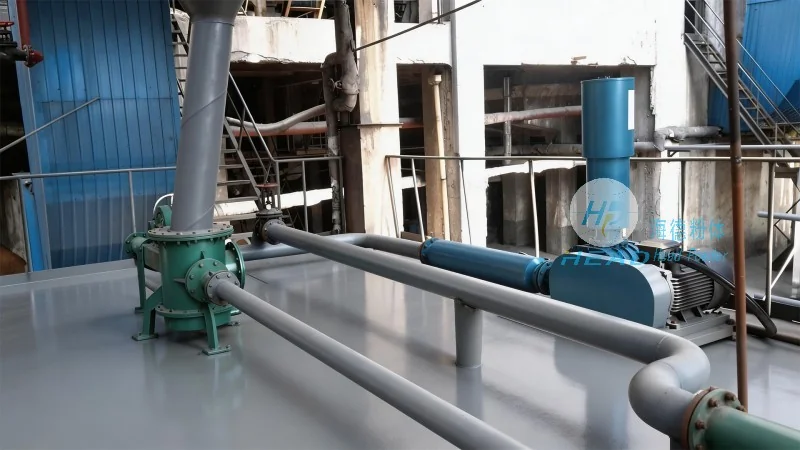
The clay sand material handling system typically consists of several key components that work in tandem to achieve effective material transport. These components include feeders, conveyors, storage silos, and control systems. Each component plays a vital role in the overall functionality of the system. For instance, feeders are responsible for regulating the flow of clay sand from the storage silo to the conveyor system. The conveyors, which may be of various types such as belt conveyors or screw conveyors, transport the sand to the desired location. Storage silos are used to store large quantities of clay sand, ensuring a consistent supply to the system. Control systems, often equipped with sensors and automation technology, monitor and adjust the operation of the feeders and conveyors to maintain optimal performance.
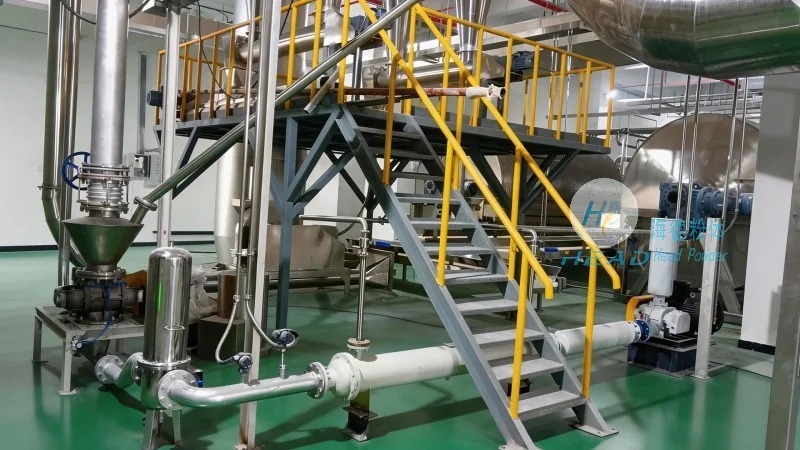
The operation process of a clay sand material handling system begins with the loading of clay sand into the storage silo. The silo is usually equipped with a hopper that allows the sand to flow into the feeder. The feeder then controls the flow rate of the sand, ensuring a steady supply to the conveyor. The conveyor transports the sand to the processing area or to another part of the facility. At each stage, the system may include mechanisms for cleaning or conditioning the sand, such as screens or classifiers, to remove impurities and adjust the sand's moisture content. The control system continuously monitors parameters like flow rate, pressure, and temperature to ensure the system operates within safe and efficient limits. Any deviations are automatically adjusted to maintain the desired performance.
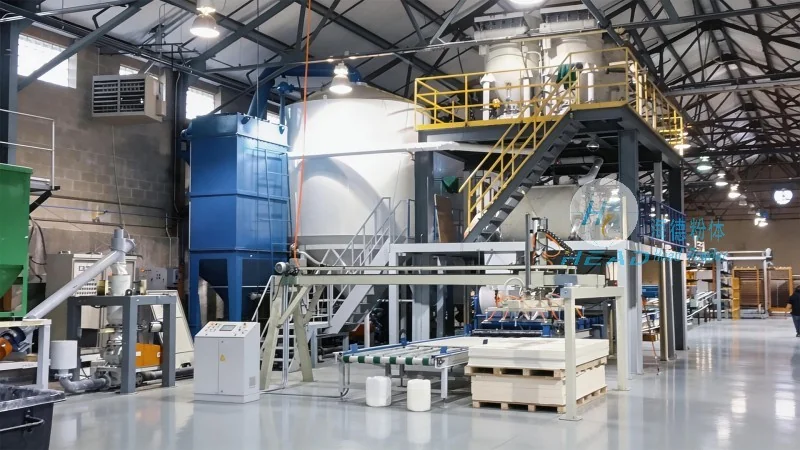
The working principle of the clay sand material handling system is based on mechanical and pneumatic systems that facilitate the movement of the material. The feeder, often a rotary or vibratory type, uses mechanical force to move the sand from the silo to the conveyor. The conveyor system, which may be a belt conveyor with rollers or a screw conveyor with a rotating shaft, relies on friction or direct contact to transport the sand. The storage silo utilizes a hopper design that allows the sand to flow under gravity, reducing the need for additional power for initial feeding. The control system integrates sensors, such as level sensors and flow meters, to provide real-time data on the system's status. This data is used to adjust the feeder speed, conveyor speed, and other parameters to maintain the desired flow rate and prevent overloading or underloading of the system components.
An efficient clay sand material handling system offers several benefits to industrial operations. Firstly, it improves the overall productivity of the casting process by ensuring a consistent and reliable supply of clay sand. This reduces downtime and increases the throughput of the production line. Secondly, the system enhances safety by minimizing manual handling of heavy and potentially hazardous materials. The automated control systems also reduce the risk of human error, leading to more consistent and high-quality sand. Additionally, the system can help in reducing energy consumption and operational costs by optimizing the flow rates and minimizing waste. By maintaining proper moisture content and removing impurities, the system also improves the quality of the sand, which in turn enhances the quality of the final cast products.
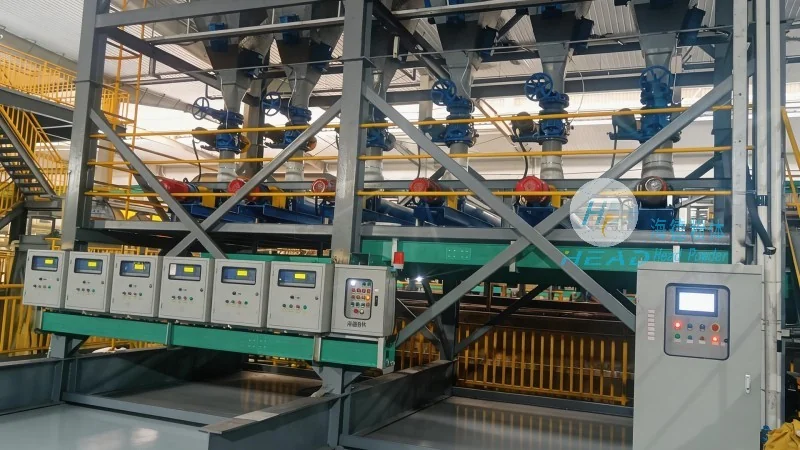
Maintaining the clay sand material handling system is crucial for its long-term performance and reliability. Regular maintenance activities include cleaning the feeders and conveyors to prevent clogging, checking the condition of belts or screw shafts for wear and tear, and inspecting the control system for any malfunctions. The storage silo should also be inspected for any signs of corrosion or damage. Troubleshooting common issues, such as low flow rates or conveyor jams, often involves checking the feeder settings, ensuring the sand is properly conditioned, and verifying the integrity of the conveyor components. In case of more complex issues, the control system's diagnostic tools can provide insights into the root cause, allowing for targeted repairs. Proper maintenance and timely troubleshooting help in extending the lifespan of the system and minimizing operational disruptions.

 Shandong Headpowder Engineering Co., Ltd.
 156-6277-7102(Manager Zhang)
  0531-83386006
  Zhangqiu District, Jinan City, Shandong Province, China
telephone
WeChatconsult
top