With more than 10‑year industry experience, Shandong Headpowder delivers full‑service pneumatic‑conveying systems and blowers, undertaking nationwide turn‑key powder‑handling projects.
Shandong HeadPowder Engineering Co., Ltd. specializes in the design, manufacturing, and integration of advanced synthetic fiber powder conveying systems. These systems are engineered to efficiently handle the transportation of synthetic fiber powders, ensuring reliable and consistent performance in industrial applications. The equipment is tailored to meet the specific demands of the fiber processing industry, offering solutions that enhance productivity and operational safety. With a focus on precision engineering and material science, HeadPowder provides systems that address the unique challenges of synthetic fiber powder handling, such as low bulk density, high dust potential, and the need for cleanroom compliance in some applications.
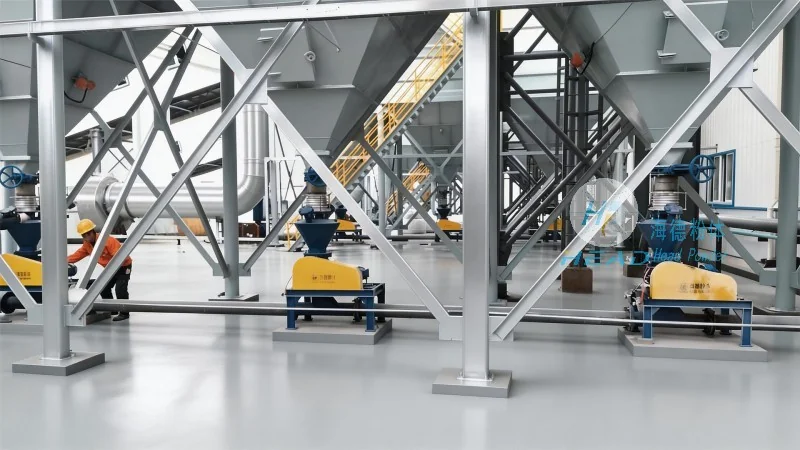
The synthetic fiber powder conveying system typically comprises several critical components, each playing a vital role in the overall operation. The primary components include the hopper for material storage, the feeding mechanism to control the flow of powder, the conveying pipeline or ductwork that transports the material, and the control system that regulates the entire process. The hopper is designed with a sloped bottom to facilitate smooth material discharge, often equipped with a rotary valve or gate valve to regulate the feed rate. The feeding mechanism, such as a screw feeder or rotary feeder, ensures a consistent and controlled input of powder into the conveying line. The pipeline, usually made of stainless steel or other corrosion-resistant materials, is configured to minimize material degradation and prevent blockages. The control system, often integrated with sensors and automation technology, monitors parameters like pressure, flow rate, and temperature, allowing for real-time adjustments to maintain optimal performance. Additional components may include dust collection systems, filtration units, and material conditioning devices to further enhance the system's efficiency and safety.
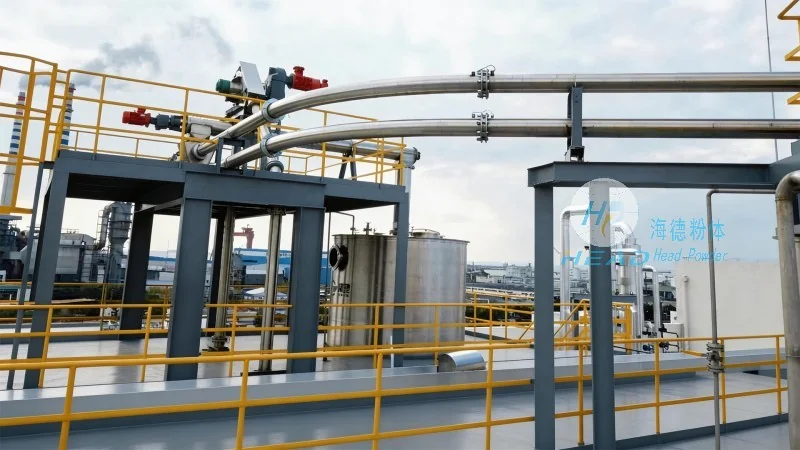
The operation of the synthetic fiber powder conveying system begins with the loading of synthetic fiber powder into the hopper. The material is then fed into the conveying pipeline through the feeding mechanism. As the powder moves through the pipeline, it is propelled by positive pressure or vacuum, depending on the system design. The conveying process is carefully controlled to prevent material segregation, agglomeration, or degradation. The system may include features like pulse jets or air curtains to maintain the integrity of the powder during transport. At the discharge end, the powder is collected in a receiving hopper or directly fed into the next processing stage. The entire operation is monitored by the control system, which adjusts the feed rate, pressure, and other parameters to ensure stable and efficient material transport. Regular maintenance, such as cleaning the hopper and pipeline, checking the condition of the feeding mechanism, and calibrating the control system, is essential to sustain the system's performance and longevity. In case of system malfunctions, the control system may trigger alarms or automatic shutdowns to prevent material loss or equipment damage.
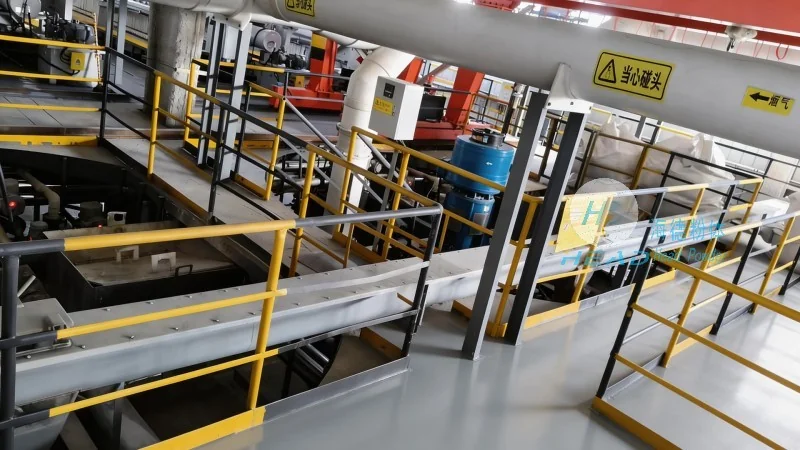
The working principle of the synthetic fiber powder conveying system is based on the principles of fluidization and pneumatic transport. In pneumatic conveying, the powder is suspended in a stream of air and transported through the pipeline. The system can operate in either positive pressure or negative pressure modes. In positive pressure systems, air is blown into the pipeline, creating a pressure differential that moves the powder. Negative pressure systems, also known as suction systems, draw the powder into the pipeline using a vacuum. The choice between positive and negative pressure depends on factors such as the material's properties, the distance to be conveyed, and the need to prevent dust emissions. The conveying process involves the creation of a uniform flow of powder-air mixture, which is maintained by controlling the air velocity and pressure. The system's efficiency is influenced by the particle size, density, and moisture content of the synthetic fiber powder. Proper design of the hopper, feeder, and pipeline ensures that the powder is conveyed without excessive pressure drops or material degradation. The control system plays a crucial role in maintaining the stability of the conveying process, responding to changes in material flow or system conditions to keep the operation within optimal parameters. Advanced control algorithms may be employed to optimize the system's performance, reducing energy consumption and improving material throughput.

 Shandong Headpowder Engineering Co., Ltd.
 156-6277-7102(Manager Zhang)
  0531-83386006
  Zhangqiu District, Jinan City, Shandong Province, China
telephone
WeChatconsult
top