With more than 10‑year industry experience, Shandong Headpowder delivers full‑service pneumatic‑conveying systems and blowers, undertaking nationwide turn‑key powder‑handling projects.
Plugging flow powder conveying systems, also known as pneumatic plugging flow conveyors, are advanced industrial equipment designed for the efficient and reliable transportation of bulk powders. This article provides a detailed overview of the operation process and working principle of such systems, highlighting their key components, operational mechanisms, and practical applications. The information is presented by Shandong HeadPowder Engineering Co., Ltd., a leading manufacturer based in China.
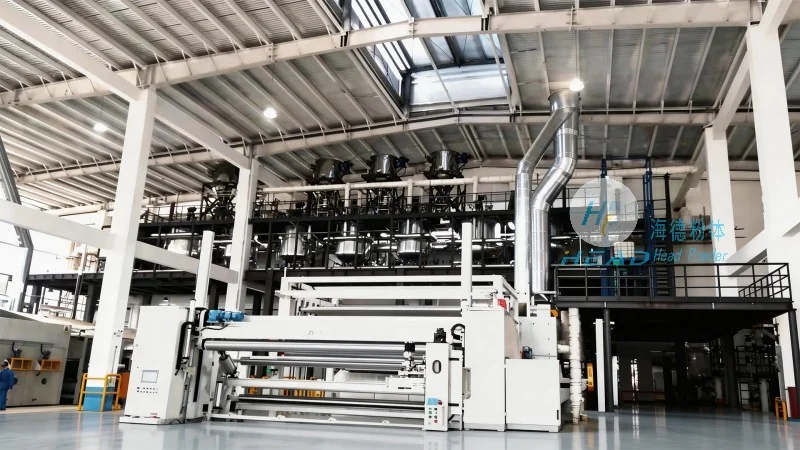
Plugging flow technology represents a significant advancement in powder handling, offering superior control over material flow compared to traditional pneumatic conveying methods. These systems are particularly suitable for handling fine, cohesive, or abrasive powders that are prone to clogging or uneven flow in conventional pipelines. By maintaining a stable, plug-like flow of material, plugging flow conveyors ensure consistent pressure and minimal pressure fluctuations, which enhances system efficiency and reduces wear on components.
The core components of a plugging flow powder conveying system include the hopper, feeder, conveying line, and control system. The hopper is designed to store the bulk powder and provide a uniform feed to the feeder. The feeder, typically a rotary or vibratory type, regulates the flow rate of the powder into the conveying line. The conveying line consists of a series of pipes with appropriate diameters and bends, often equipped with pressure regulators and flow control valves. The control system monitors and adjusts the pressure and flow parameters to maintain the plugging flow condition.
The operation of a plugging flow powder conveying system is based on the principle of creating a stable, dense plug of material within the conveying line. The system operates by alternating between periods of material discharge and pressure build-up. During the discharge phase, the feeder releases a controlled amount of powder into the conveying line, forming a plug. The plug then travels through the pipeline under the influence of differential pressure, which is generated by the pressure difference between the hopper and the discharge end. The pressure regulator maintains a consistent pressure differential, ensuring that the plug moves smoothly without breaking apart or causing blockages.
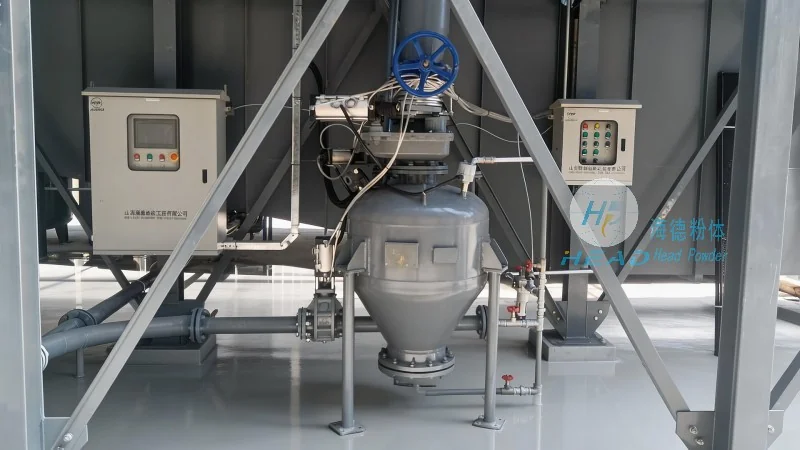
The operation process of a plugging flow powder conveying system involves several sequential steps. First, the hopper is filled with the bulk powder. The feeder then starts to rotate or vibrate, releasing a small amount of powder into the conveying line. This powder forms a plug, which is then propelled forward by the pressure differential. The control system continuously monitors the pressure and flow rates, adjusting the feeder speed or pressure regulator settings as needed to maintain the optimal plugging flow condition. The process repeats until the hopper is empty or the conveying task is completed. The system's ability to maintain a stable plug ensures that the powder is transported efficiently and without the need for frequent cleaning or maintenance.
Plugging flow powder conveying systems offer several advantages over traditional pneumatic conveying methods. These include improved flow control, reduced pressure fluctuations, lower energy consumption, and enhanced material handling capabilities for cohesive or fine powders. The stable plug formation minimizes the risk of clogging and ensures consistent material discharge rates, which is crucial for processes that require precise dosing or uniform mixing. Additionally, the system's design allows for flexible layout configurations, making it suitable for various industrial applications, including pharmaceuticals, food processing, and chemical manufacturing.
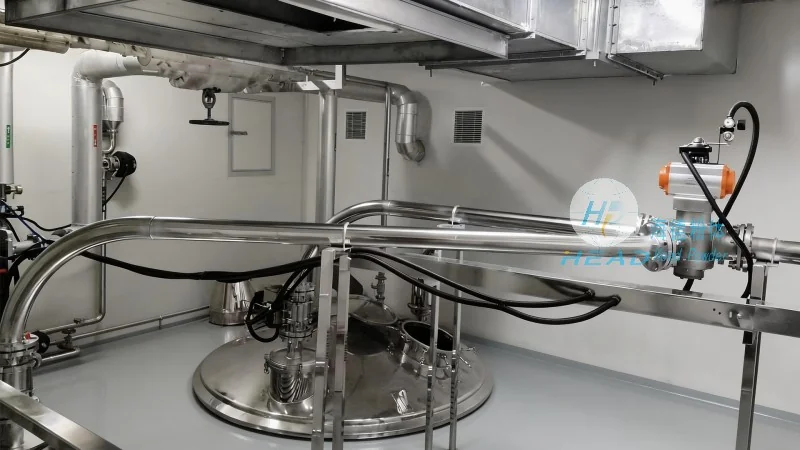
Plugging flow powder conveying systems are widely used in industries that require the reliable and efficient handling of bulk powders. Common applications include the transportation of pharmaceutical powders, food ingredients, chemical additives, and industrial minerals. In pharmaceutical manufacturing, these systems ensure that active ingredients are transported without contamination or degradation. In food processing, they maintain the quality and safety of food products by preventing cross-contamination and ensuring uniform mixing. In chemical industries, they handle abrasive or reactive powders while minimizing the risk of equipment damage or environmental hazards.
Proper maintenance is essential to ensure the long-term performance and reliability of plugging flow powder conveying systems. Regular inspection of the hopper, feeder, and conveying line for wear or damage is recommended. The control system should be calibrated periodically to maintain accurate pressure and flow readings. Additionally, the system should be cleaned regularly to prevent the accumulation of powder residues, which can affect flow characteristics. Proper training of operators on the system's operation and maintenance procedures is also crucial to prevent operational issues and ensure safety.
Plugging flow powder conveying systems represent a sophisticated solution for the efficient handling of bulk powders. By leveraging the principles of stable plug formation and controlled pressure differentials, these systems offer superior performance compared to traditional pneumatic conveying methods. With their ability to handle a wide range of powders and their flexible design, plugging flow conveyors are an essential component in modern industrial processes. Shandong HeadPowder Engineering Co., Ltd. continues to innovate in this field, providing high-quality equipment and technical support to meet the evolving needs of various industries.

 Shandong Headpowder Engineering Co., Ltd.
 156-6277-7102(Manager Zhang)
  0531-83386006
  Zhangqiu District, Jinan City, Shandong Province, China
telephone
WeChatconsult
top