

What is Stearic Acid Sodium Material Handling Equipment? And What Are Its Design Principles?
Stearic acid sodium, a widely used chemical additive in various industrial applications, often requires specialized equipment for efficient material handling. The stearic acid sodium material handling equipment is engineered to ensure safe, reliable, and efficient transportation of this chemical compound. Understanding the design principles behind such equipment is crucial for optimizing its performance in industrial settings.

Introduction to Stearic Acid Sodium Material Handling Equipment
Stearic acid sodium, also known as sodium stearate, is a fatty acid salt commonly utilized in the production of soaps, detergents, and other personal care products. Its handling demands careful consideration due to its physical properties, such as being a solid at room temperature but capable of melting at elevated temperatures. The material handling equipment designed for stearic acid sodium must address these characteristics to prevent material degradation or loss during transport.
Key Components and Design Considerations
The design of stearic acid sodium material handling equipment involves several critical components and considerations to ensure optimal functionality. These include material selection for equipment parts, temperature control mechanisms, and safety features to mitigate risks associated with handling potentially hazardous chemicals. The equipment typically incorporates features like temperature-controlled hoppers, conveyor systems, and storage tanks to maintain the chemical's integrity throughout the handling process.
Material Selection and Durability
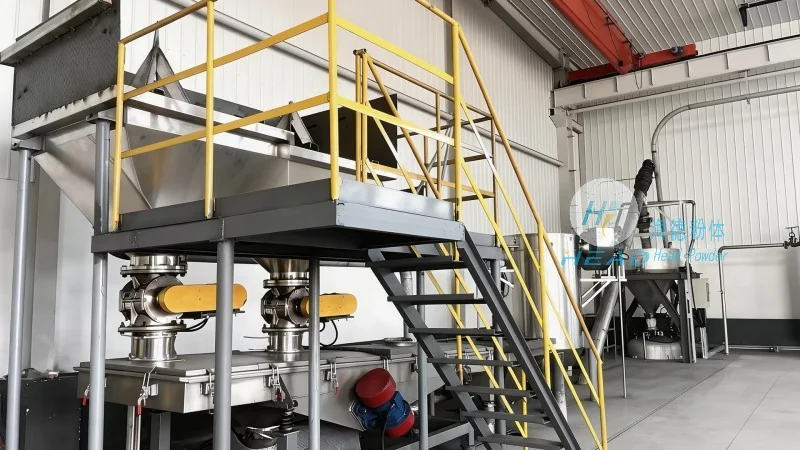
Choosing the appropriate materials for the construction of stearic acid sodium handling equipment is paramount. Materials like stainless steel or corrosion-resistant alloys are commonly used to prevent chemical reactions with the substance and ensure long-term durability. The equipment's design also considers the need for easy cleaning and maintenance to maintain hygiene standards, especially in industries where product purity is critical.
Temperature Control Mechanisms
Temperature control is a vital aspect of stearic acid sodium material handling equipment. Since the chemical's melting point is relatively low, maintaining it in a solid state during transport is essential to avoid clogging or blockages in the system. The equipment often includes heating or cooling systems to regulate the temperature of the material, ensuring it remains in the desired state for efficient processing. This control is achieved through insulated containers, temperature sensors, and automated control systems that adjust heating or cooling as needed.
Safety Features and Operational Efficiency
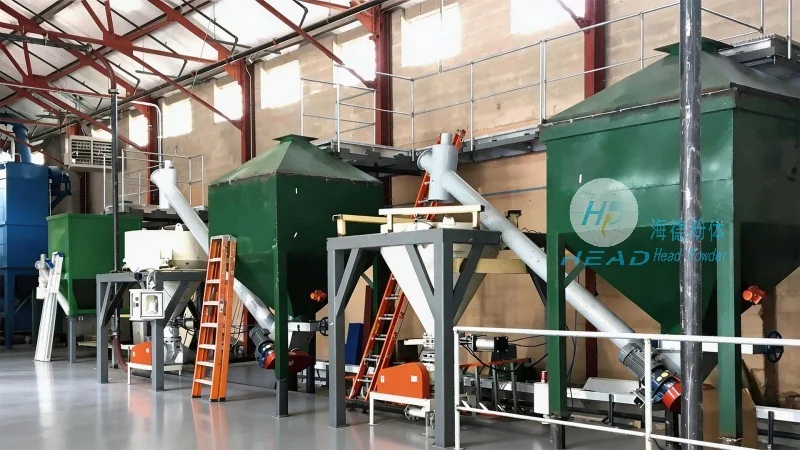
Ensuring safety is a top priority in the design of stearic acid sodium material handling equipment. The systems are equipped with safety valves, pressure relief mechanisms, and emergency shutdown features to prevent accidents or spills. Additionally, the equipment is designed for operational efficiency, minimizing downtime and maximizing throughput. This includes features like automated feeding systems, real-time monitoring of material levels, and integration with other processing equipment to streamline production workflows.
Applications and Industrial Use Cases
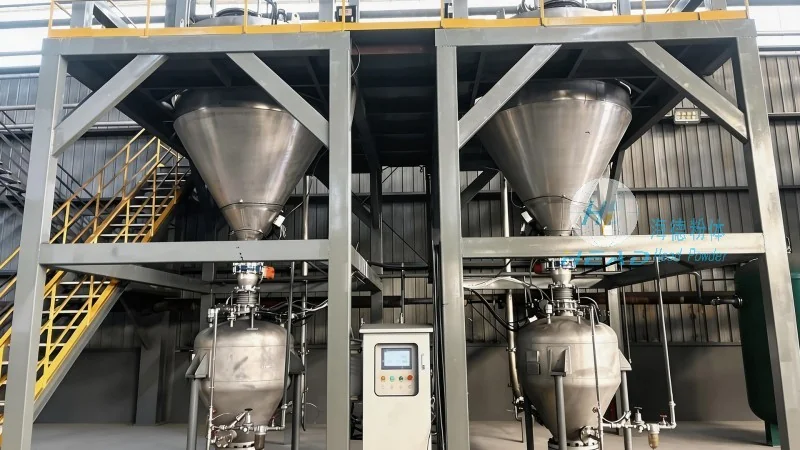
Stearic acid sodium material handling equipment is widely used in various industries, including the cosmetics, pharmaceutical, and food processing sectors. In these industries, the equipment plays a crucial role in ensuring the consistent and safe supply of the chemical to production lines. The design principles applied to these systems are tailored to meet the specific requirements of each industry, such as maintaining product purity, adhering to regulatory standards, and optimizing production efficiency.
Conclusion and Company Overview
Stearic acid sodium material handling equipment is a critical component in the industrial supply chain for this essential chemical. The design principles, which prioritize material integrity, temperature control, safety, and efficiency, ensure that the equipment performs reliably in demanding industrial environments. Shandong HeadPowder Engineering Co., Ltd., a leading manufacturer in this field, specializes in developing customized solutions that meet the unique needs of clients. With a focus on quality and innovation, the company provides equipment that enhances operational performance and ensures compliance with industry standards. Located in Shandong, China, HeadPowder has established itself as a trusted partner for businesses seeking reliable material handling solutions for stearic acid sodium and other chemical compounds.