With more than 10‑year industry experience, Shandong Headpowder delivers full‑service pneumatic‑conveying systems and blowers, undertaking nationwide turn‑key powder‑handling projects.
HeadPowder, a leading manufacturer based in Shandong, China, specializes in advanced equipment for the construction and foundry industries. This article delves into the operation process and working principle of the Regenerated Sand Pneumatic Conveying System, a critical component in modern sand recycling and material handling operations.
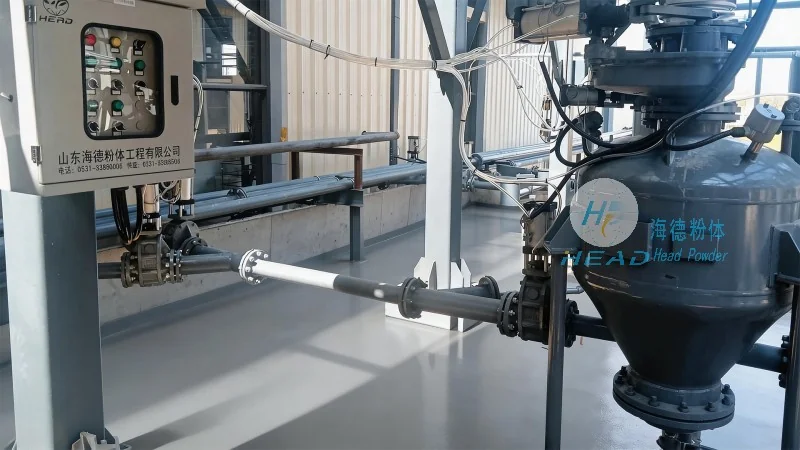
The Regenerated Sand Pneumatic Conveying System is designed to efficiently transport and recycle used sand from foundry processes. It integrates several key components, including a sand storage hopper, a pneumatic conveying line, and a control system, to ensure smooth and continuous material flow. The system is engineered to handle abrasive materials like regenerated sand, which requires robust construction and precise control mechanisms to prevent wear and maintain performance.
The core of the system operates on the principle of pneumatic transport, where air is used as the medium to move solid particles through a pipeline. In this system, compressed air is introduced into the conveying line, creating a pressure differential that propels the sand particles. The process involves several stages: first, the sand is fed from the storage hopper into the conveying line via a feeder; second, the compressed air accelerates the sand, transporting it through the pipeline to the destination point; third, the air and sand are separated at the receiving end, with the sand being discharged and the air being filtered and recycled back to the system.
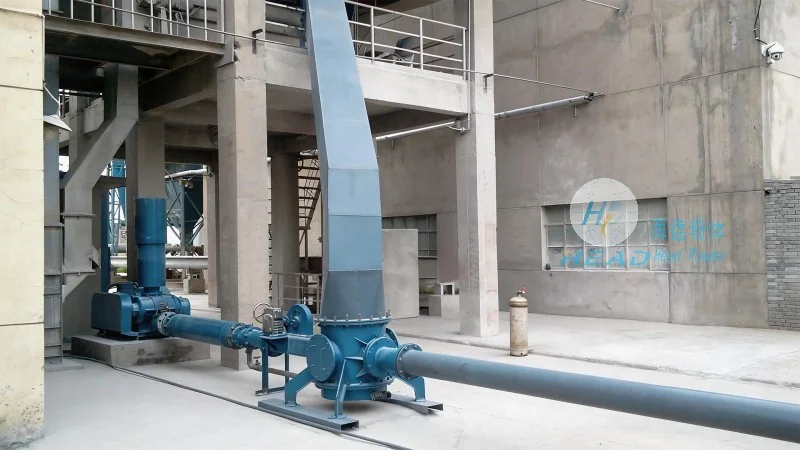
The operation of the Regenerated Sand Pneumatic Conveying System follows a systematic sequence to ensure optimal performance and minimal downtime. The process begins with the loading of used sand into the storage hopper. The feeder then regulates the flow rate of sand into the conveying line, ensuring a consistent feed rate. Compressed air, supplied by an air compressor, is introduced at the inlet of the conveying line, creating a pressure that moves the sand particles. The sand travels through the pipeline, which may include bends and changes in direction, with the system’s control unit monitoring pressure and flow rates to maintain stability. At the receiving end, a separator, such as a cyclone or a bag filter, separates the sand from the air. The sand is then discharged into a collection bin, while the air is filtered to remove any residual particles and returned to the system for reuse. This closed-loop system minimizes waste and energy consumption, making it an efficient solution for sand recycling in foundries.
Several critical components work in tandem to ensure the smooth operation of the Regenerated Sand Pneumatic Conveying System. The sand storage hopper provides a large capacity for storing used sand, allowing for continuous operation without frequent refills. The feeder, typically a rotary or vibratory type, controls the flow rate of sand into the conveying line, preventing overloading and ensuring consistent material transport. The air compressor generates the necessary compressed air, which is regulated by a pressure control valve to maintain the required pressure for conveying. The conveying line, made of durable materials like stainless steel or high-density polyethylene, withstands the abrasive nature of the sand and the pressure of the air. The separator at the receiving end efficiently separates the sand from the air, with options like cyclones or bag filters depending on the specific application. The control system, often equipped with sensors and a programmable logic controller (PLC), monitors and adjusts the system parameters in real-time, ensuring optimal performance and safety.
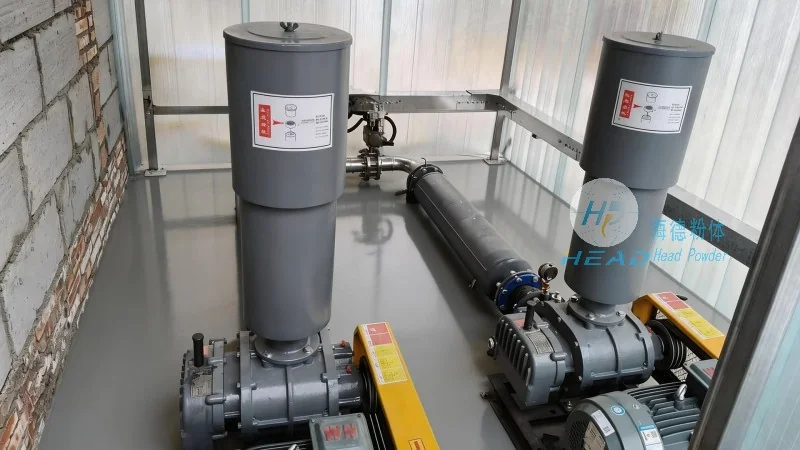
The Regenerated Sand Pneumatic Conveying System offers several advantages over traditional sand handling methods. It provides a dust-free and enclosed transport process, reducing environmental impact and improving workplace safety. The system’s compact design and flexible layout allow for easy integration into existing foundry facilities, minimizing installation time and costs. The closed-loop operation reduces energy consumption and waste, making it an environmentally friendly solution. Additionally, the system’s high efficiency and reliability ensure consistent sand quality, which is crucial for maintaining the performance of casting processes. The robust construction and advanced control systems also extend the lifespan of the equipment, reducing maintenance costs and downtime.
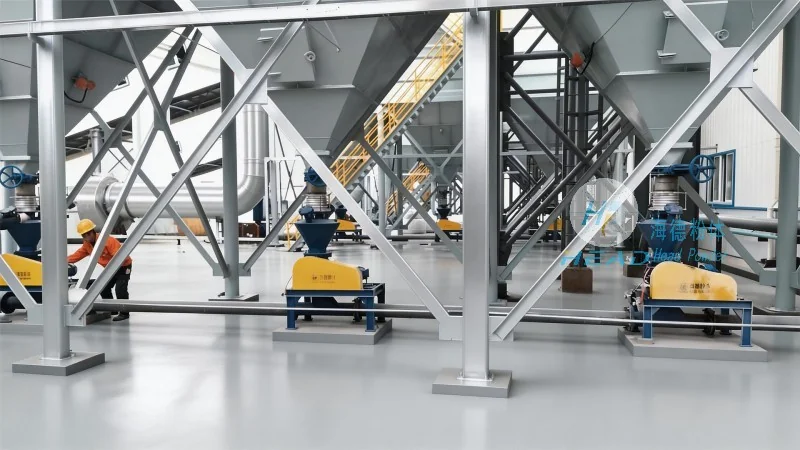
The Regenerated Sand Pneumatic Conveying System is widely used in various industries that rely on sand recycling, particularly in the foundry sector. It is commonly employed in the production of castings for automotive, aerospace, and construction industries, where high-quality sand is essential for achieving precise and durable components. The system is also suitable for other applications involving abrasive materials, such as in the recycling of industrial sands or in the handling of sand in glass manufacturing processes. Its versatility and efficiency make it a preferred choice for companies seeking to optimize their material handling and recycling operations.
The Regenerated Sand Pneumatic Conveying System by HeadPowder is a sophisticated and efficient solution for the transport and recycling of used sand in foundry operations. By leveraging pneumatic transport principles and advanced control systems, the system ensures reliable, dust-free, and energy-efficient operation. With its robust construction and comprehensive features, it meets the demanding requirements of modern foundries, contributing to improved productivity and environmental sustainability. HeadPowder, with its headquarters in Shandong, China, continues to innovate and provide high-quality equipment to support the growth and efficiency of the construction and foundry industries worldwide.

 Shandong Headpowder Engineering Co., Ltd.
 156-6277-7102(Manager Zhang)
  0531-83386006
  Zhangqiu District, Jinan City, Shandong Province, China
telephone
WeChatconsult
top