

What is a Silica Fume Material Handling System Equipment? What Are Its Design Principles?
For industrial applications that involve the handling and transportation of silica fume—a fine powder commonly used as a supplementary cementitious material—efficient and reliable equipment is essential. This article explores the concept of a silica fume material handling system, detailing its components, operational principles, and the underlying design philosophies that ensure optimal performance in demanding environments.
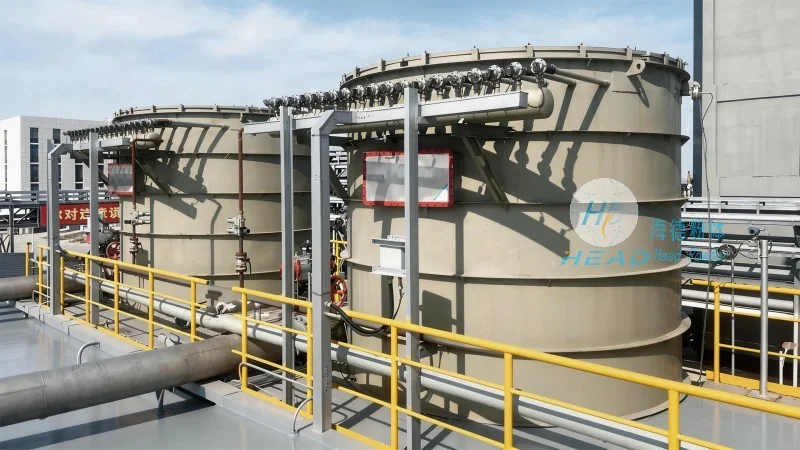
Understanding Silica Fume Material Handling Systems
Silica fume, also known as microsilica, is a byproduct of silicon metal or ferrosilicon production. It consists of extremely fine particles, typically ranging from 0.1 to 0.2 micrometers in diameter, which makes it highly reactive and valuable in concrete and other construction materials. However, due to its fine particle size and high moisture absorption, handling silica fume requires specialized equipment to prevent agglomeration, dust generation, and loss of material. A silica fume material handling system is a comprehensive solution designed to address these challenges, ensuring safe, efficient, and consistent material flow from storage to processing or end-use.
Key Components of a Silica Fume Material Handling System
The effectiveness of a silica fume material handling system relies on several interconnected components, each tailored to manage the unique properties of silica fume. These components typically include:
1. Storage Silos: Large, airtight silos are used to store bulk quantities of silica fume. The design of these silos often incorporates a conical bottom and a discharge valve to facilitate controlled material release, minimizing the risk of caking or bridging. Some systems may also include aeration or vibration mechanisms to prevent material buildup.
2. Feeding Equipment: Screw conveyors or rotary valves are commonly used to transfer silica fume from the storage silo to the processing line. These devices are designed with smooth, non-stick surfaces to prevent material adhesion and ensure consistent flow rates. Variable speed drives allow operators to adjust the feed rate according to production demands.
3. Pneumatic Conveying Systems: For longer transport distances or when integrating with existing plant infrastructure, pneumatic conveying systems are employed. These systems use air pressure to move silica fume through pipelines, reducing the need for mechanical components and minimizing dust exposure. The design of the pipelines, including bends and elbows, is critical to maintain material velocity and prevent particle deposition.
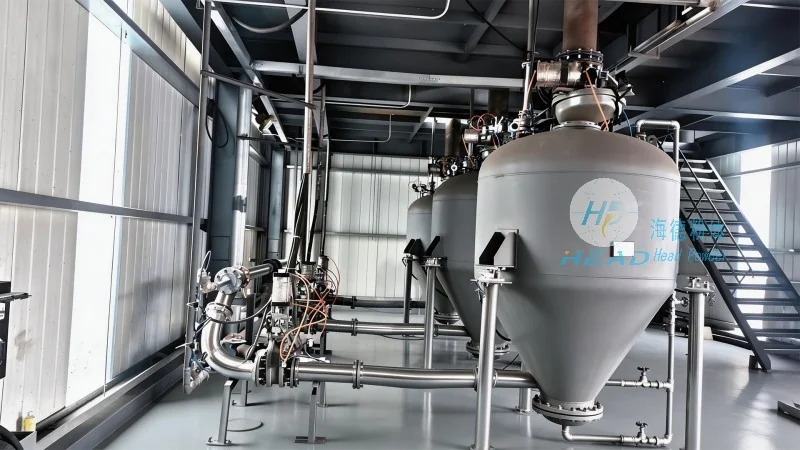
4. Dust Control Systems: Silica fume is a fine powder that can generate significant dust during handling. To comply with occupational health and safety regulations and maintain environmental standards, dust control systems are integrated into the material handling process. These may include dust collectors, filtration units, and local exhaust ventilation to capture and remove airborne particles.
5. Control and Monitoring Systems: Modern silica fume material handling systems are equipped with advanced control panels and monitoring software. These systems allow operators to track material levels, monitor flow rates, and detect any anomalies in the process. Real-time data collection enhances process efficiency and enables proactive maintenance, reducing downtime and operational costs.
Design Principles for Optimal Performance
The design of a silica fume material handling system is guided by several key principles aimed at maximizing efficiency, safety, and longevity. These principles include:
1. Minimizing Particle Agglomeration: Silica fume particles have a high surface area and tendency to clump together. System design incorporates features such as anti-static coatings, gentle material flow, and vibration to prevent agglomeration, ensuring consistent material properties and preventing blockages in downstream equipment.
2. Controlling Moisture Content: Silica fume is hygroscopic, meaning it absorbs moisture from the air. The system is designed to maintain low humidity levels in the storage and handling areas, often through dehumidification or sealed storage compartments. This prevents moisture-related issues such as caking, clumping, and reduced reactivity.
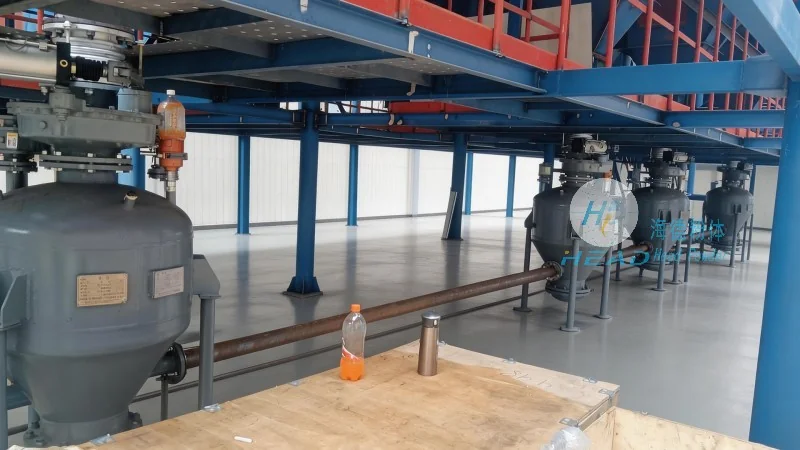
3. Ensuring Dust-Free Operation: Dust generation is a major concern in silica fume handling. The system integrates dust control measures, including enclosed equipment, local exhaust ventilation, and filtration systems, to maintain a clean working environment and comply with regulatory standards. This also protects the material from contamination and ensures consistent quality.
4. Facilitating Easy Maintenance: The design prioritizes accessibility for routine maintenance and cleaning. Components such as hoppers, conveyors, and filters are designed with removable parts and easy-to-clean surfaces. This reduces downtime and ensures the system operates at peak efficiency over its lifespan.
5. Adapting to Variable Production Demands: Industrial processes often experience fluctuations in production rates. The system is designed with flexible components, such as variable speed drives and adjustable feed mechanisms, allowing operators to adapt to changing material flow requirements without compromising performance.
Benefits of an Efficient Silica Fume Material Handling System
Implementing a well-designed silica fume material handling system offers numerous benefits for industrial operations. These include:
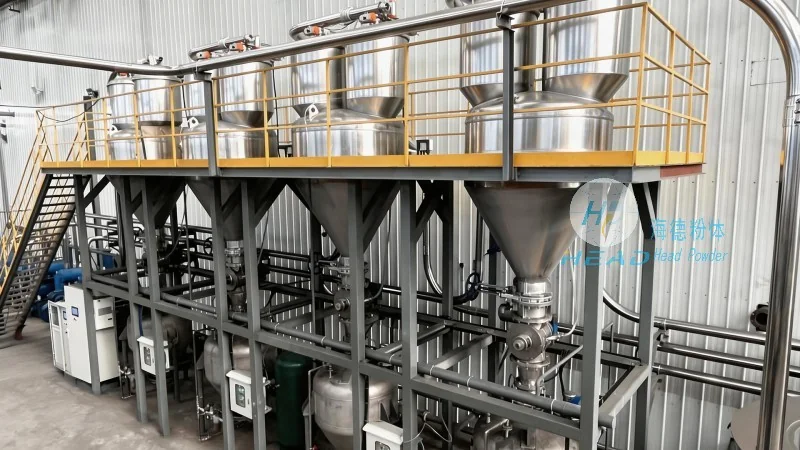
1. Improved Material Flow and Consistency: By preventing agglomeration and maintaining consistent moisture levels, the system ensures that silica fume is delivered to processing equipment in a uniform state, leading to better product quality and reduced variability in concrete or other applications.
2. Enhanced Safety and Environmental Compliance: Integrated dust control measures and enclosed equipment minimize occupational hazards and environmental impact, helping companies meet regulatory requirements and maintain a safe working environment.
3. Reduced Downtime and Operational Costs: Proactive monitoring and easy maintenance features reduce unexpected breakdowns and lower long-term operational costs. The system's efficiency also minimizes material waste and loss during handling.
4. Scalability and Flexibility: Modern systems are designed to be scalable, allowing companies to expand their operations as demand grows. The modular design enables easy integration with existing plant infrastructure or future upgrades.
Conclusion
A silica fume material handling system is a critical component for industries relying on this valuable material. By understanding the unique properties of silica fume and applying sound design principles, these systems ensure efficient, safe, and reliable material flow. For companies seeking to optimize their silica fume handling processes, partnering with a specialized engineering firm like Shandong HeadPowder Engineering Co., Ltd. can provide tailored solutions that meet specific operational needs and enhance overall productivity.