With more than 10‑year industry experience, Shandong Headpowder delivers full‑service pneumatic‑conveying systems and blowers, undertaking nationwide turn‑key powder‑handling projects.
Adipic acid, a vital chemical intermediate widely utilized in the production of nylon and other polymers, requires efficient and reliable material handling solutions for industrial applications. The pneumatic conveying system equipment engineered by Shandong HeadPowder Engineering Co., Ltd. offers a sophisticated approach to transporting adipic acid, ensuring high efficiency, minimal product degradation, and operational safety. This article explores the operating process and working principle of such systems, highlighting technical aspects and practical applications.
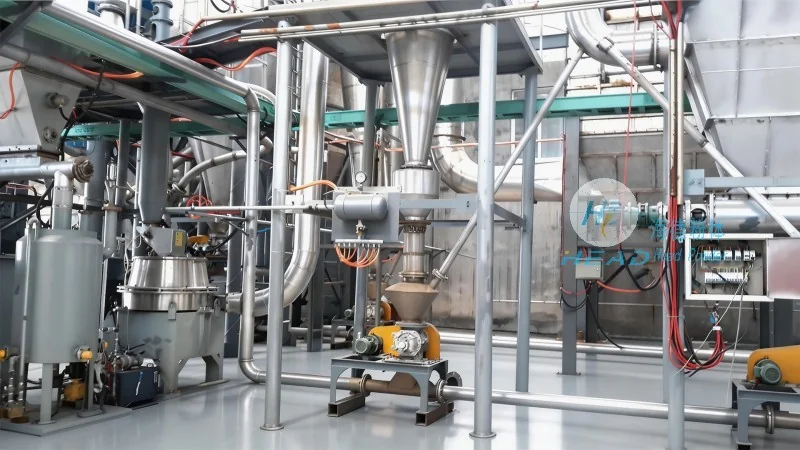
Adipic acid, in its granular or powdered form, presents unique challenges during material transport due to its hygroscopic nature and potential for dust generation. Traditional conveying methods like belt conveyors or screw conveyors may not be suitable for adipic acid as they can lead to product contamination, moisture absorption, or mechanical damage. Pneumatic conveying systems provide an ideal solution by utilizing air or gas as the conveying medium to transport the material through a pipeline network. This method is particularly effective for handling fine powders and granules, ensuring a clean and controlled transfer process.
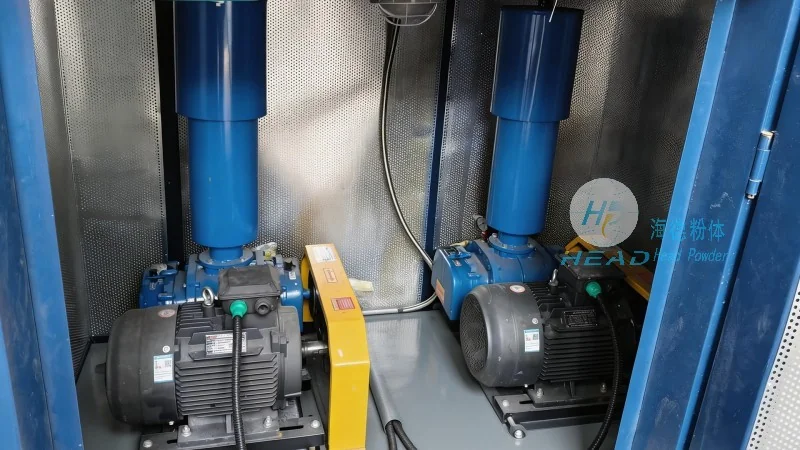
The pneumatic conveying system for adipic acid typically consists of several core components that work in tandem to achieve efficient material transport. These components include the hopper or feed hopper, which stores the adipic acid and feeds it into the system; the air compressor or blower, which generates the necessary air pressure to move the material; the conveying pipeline, which transports the adipic acid and air mixture; the control valves and regulators, which manage the flow and pressure of the air; and the discharge or receiving hopper, where the material is deposited. Each component plays a critical role in maintaining the system's performance and ensuring the quality of the transported adipic acid.
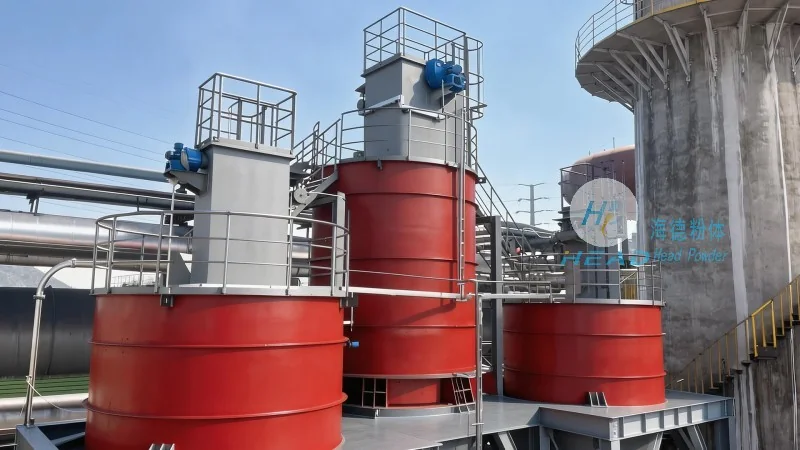
The operation of the adipic acid pneumatic conveying system follows a systematic sequence to ensure smooth and continuous material transfer. The process begins with the adipic acid being fed from the storage hopper into the feed hopper of the system. The air compressor then starts, generating a flow of air that creates a pressure differential within the pipeline. As the air flows through the conveying line, it entrains the adipic acid particles, forming a slurry of air and material. The mixture is then transported through the pipeline to the discharge hopper, where the air is separated from the material, typically through a cyclone or filter system. The separated air is then recirculated back to the compressor, while the adipic acid is collected in the receiving hopper. This cycle repeats continuously, maintaining a steady flow of material from the source to the destination.
The working principle of the pneumatic conveying system relies on the principles of fluid dynamics and particle entrainment. When air is forced through the conveying pipeline at a sufficient velocity, it creates a drag force on the adipic acid particles, lifting them from the hopper and carrying them along the pipeline. The key to efficient conveying is achieving a balance between the air velocity and the particle size and density. If the air velocity is too low, the particles may not be fully entrained and could settle in the pipeline, leading to blockages. Conversely, if the velocity is too high, excessive energy consumption occurs, and the particles may be damaged or the system may become noisy. The system's design, including the pipeline diameter, length, and inclination, is optimized to maintain the optimal air velocity for the specific characteristics of adipic acid.
Implementing a pneumatic conveying system for adipic acid offers several advantages over traditional conveying methods. Firstly, it provides a closed system, preventing dust contamination and protecting the material from moisture and environmental factors. This is particularly important for adipic acid, which is hygroscopic and can degrade if exposed to moisture. Secondly, the system offers high efficiency in terms of material transport, with minimal product loss and reduced downtime due to blockages. Thirdly, the system is relatively simple to install and maintain, with fewer moving parts compared to mechanical conveyors. Additionally, the pneumatic conveying system allows for flexible routing of the pipeline, enabling the material to be transported to multiple destinations from a single source. These advantages make the pneumatic conveying system an ideal choice for industrial applications requiring reliable and efficient handling of adipic acid.
The pneumatic conveying system designed by Shandong HeadPowder Engineering Co., Ltd. is versatile and can be customized to meet the specific requirements of various industrial applications. For example, in the production of nylon, adipic acid is often transported from storage silos to reactors or mixing units. The system can be configured with different pipeline diameters and lengths to accommodate the distance and volume of material to be transported. Additionally, the system can be integrated with other process equipment, such as mixers or reactors, to form a complete production line. The company's expertise in engineering and manufacturing allows for the design of systems tailored to the unique needs of each client, ensuring optimal performance and cost-effectiveness.
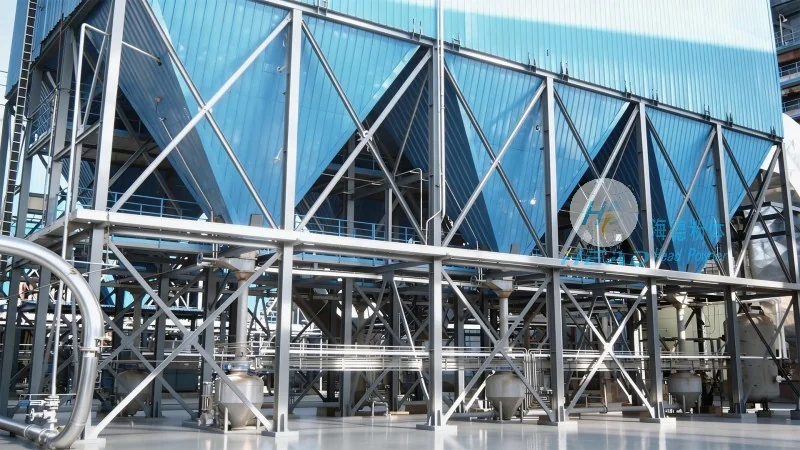
To ensure the long-term reliability and efficiency of the pneumatic conveying system, proper maintenance and operational considerations are essential. Regular maintenance activities include checking the air compressor for proper operation, inspecting the conveying pipeline for blockages or wear, and cleaning the cyclone or filter system to prevent clogging. The system should also be monitored for air pressure and flow rates to detect any deviations from the optimal operating conditions. Additionally, the hopper and feed hopper should be checked for material buildup or moisture accumulation, as these can affect the system's performance. By following a regular maintenance schedule and monitoring the system's operation, the lifespan of the equipment can be extended, and operational costs can be minimized.
In conclusion, the pneumatic conveying system equipment developed by Shandong HeadPowder Engineering Co., Ltd. provides an efficient and reliable solution for transporting adipic acid in industrial applications. The system's operating process and working principle are based on sound engineering principles, ensuring high efficiency, minimal product degradation, and operational safety. With its closed system design and flexible configuration, the system is well-suited for various industrial scenarios, offering advantages over traditional conveying methods. By understanding the key components, operating process, and working principles of the system, industries can make informed decisions about implementing such equipment to enhance their material handling capabilities and improve overall production efficiency.

 Shandong Headpowder Engineering Co., Ltd.
 156-6277-7102(Manager Zhang)
  0531-83386006
  Zhangqiu District, Jinan City, Shandong Province, China
telephone
WeChatconsult
top