

Operation Process and Working Principle of Calcium Carbonate Pneumatic Conveying System Equipment
Shandong HeadPowder Engineering Co., Ltd. is a professional manufacturer and supplier specializing in the design, development, and production of pneumatic conveying systems. Based in Shandong, China, the company has established itself as a trusted partner for industries requiring efficient and reliable material handling solutions, particularly for calcium carbonate and other fine powders. With a strong focus on engineering excellence and customer satisfaction, HeadPowder provides tailored solutions that meet the specific needs of various applications.
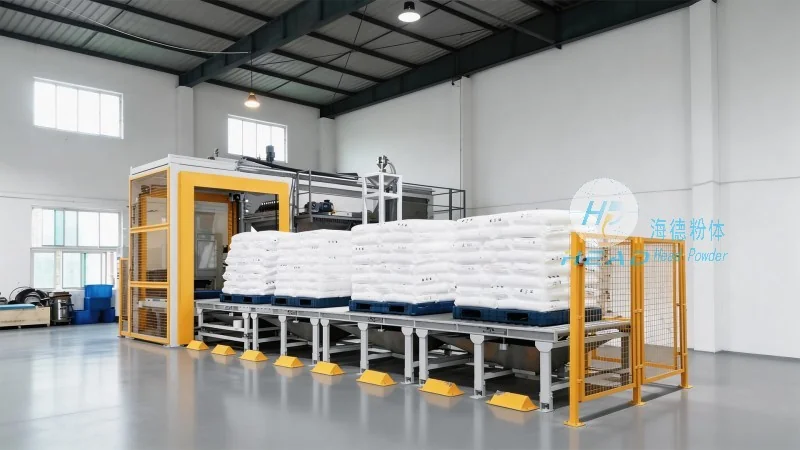
Operation Process of Calcium Carbonate Pneumatic Conveying System
The operation of a calcium carbonate pneumatic conveying system involves several key steps that ensure the efficient and safe transport of the material. The process begins with the preparation of the material, where calcium carbonate powder is stored in a hopper or silo. From there, the material is fed into the conveying line through a feeder, such as a rotary valve or a screw feeder, which controls the flow rate. The feeder is connected to a compressor or a blower that generates the necessary air pressure to move the powder through the pipeline. As the air and powder mixture travels through the system, it passes through various components, including bends, filters, and control valves, which help maintain the flow and prevent blockages. The receiving end of the system typically includes a separator or a cyclone that separates the powder from the air, allowing the powder to be deposited into a target container or processing unit. The entire process is monitored and controlled by a system of sensors and control panels, which ensure optimal performance and safety.
Working Principle of the Pneumatic Conveying System
The working principle of a pneumatic conveying system for calcium carbonate relies on the use of air as the conveying medium. The system operates by creating a pressure differential between the inlet and outlet of the pipeline. The compressor or blower generates a high-pressure air stream that entrains the calcium carbonate particles, forming a suspension. This suspension is then transported through the pipeline due to the pressure difference and the drag force exerted by the air on the particles. The system can be classified into different types based on the pressure used, such as positive pressure, negative pressure, or pressure-assisted systems. Positive pressure systems use compressed air to push the material forward, while negative pressure systems use vacuum to pull the material. Pressure-assisted systems combine both methods to achieve higher conveying distances and capacities. The design of the system, including the size of the pipeline, the type of bends, and the velocity of the air, is critical to ensure efficient and reliable operation. Proper maintenance and regular inspection of the components are essential to prevent issues like blockages, wear, and air leakage, which can affect the system's performance and lifespan.
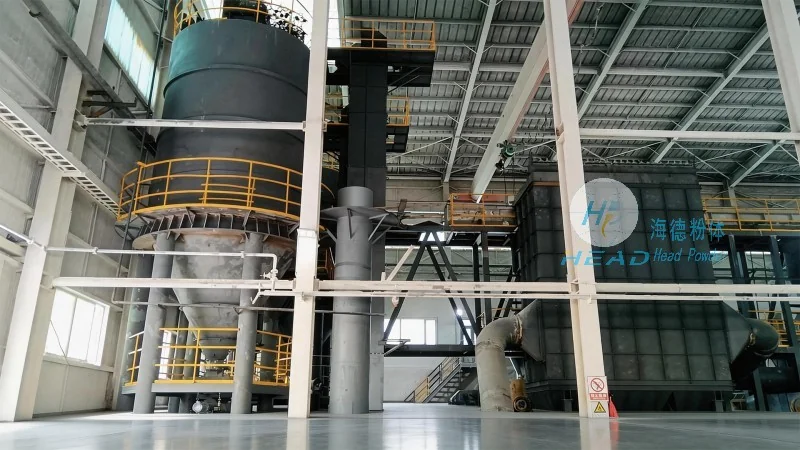
Key Components and Their Functions
Several key components are integral to the operation of a calcium carbonate pneumatic conveying system. The hopper or silo serves as the storage container for the material, providing a consistent supply for the feeder. The feeder, such as a rotary valve or screw feeder, regulates the flow rate of the powder into the system, ensuring a steady and controlled input. The compressor or blower is the heart of the system, generating the necessary air pressure to move the material. It can be a positive displacement blower or a centrifugal compressor, depending on the system requirements. The pipeline connects all components and transports the air-powder mixture. Bends and elbows are used to change the direction of the flow, and they are designed to minimize pressure loss and prevent material accumulation. Filters are installed to remove any dust or debris from the air stream, protecting downstream equipment and ensuring clean air. Control valves, such as ball valves or butterfly valves, are used to regulate the flow of air and material, allowing for adjustments during operation. The separator or cyclone at the receiving end separates the powder from the air, allowing the powder to be collected in a container and the air to be discharged or recycled.
Advantages of Using Pneumatic Conveying Systems
Pneumatic conveying systems offer several advantages over traditional methods of material handling, such as belt conveyors or bucket elevators. One of the primary advantages is the ability to transport materials over long distances without the need for multiple transfer points. This reduces the risk of material spillage and contamination. The system is also highly flexible, as it can be easily reconfigured to accommodate changes in production requirements. Pneumatic conveying is a closed system, which helps maintain the purity of the material and prevents dust from being released into the environment. This is particularly important for calcium carbonate, which is often used in food and pharmaceutical applications where contamination is a concern. Additionally, the system can handle a wide range of particle sizes and moisture contents, making it suitable for various applications. The operation of the system is also relatively simple and requires minimal maintenance, reducing downtime and operational costs.
Applications in Calcium Carbonate Industry
Calcium carbonate pneumatic conveying systems are widely used in the calcium carbonate industry for various applications. In the production of calcium carbonate-based products, such as paper, plastics, and coatings, the system is used to transport raw material from storage to processing units. The system can also be used to transport finished products from the production line to packaging facilities. In the food and pharmaceutical industries, the system is used to transport calcium carbonate as an ingredient in products like baking powder, supplements, and cosmetics. The closed system design ensures that the material remains clean and free from contamination, which is essential for these industries. The system is also used in the mining and construction industries for transporting calcium carbonate from mines or quarries to processing plants. The ability to handle large volumes of material efficiently makes the system ideal for these applications.
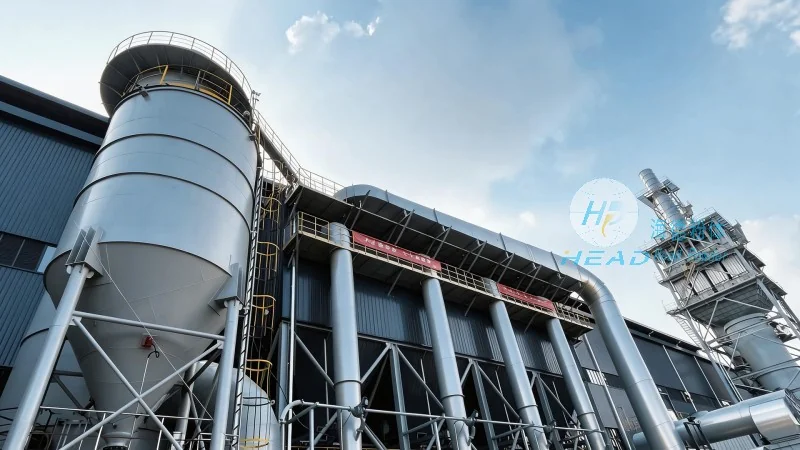
Maintenance and Troubleshooting
Proper maintenance is crucial to ensure the long-term performance and reliability of a calcium carbonate pneumatic conveying system. Regular inspection of the components, such as the feeder, compressor, and pipeline, is necessary to identify and address any issues before they become major problems. The compressor or blower should be checked for proper air pressure and flow rate, and the filters should be cleaned or replaced as needed to maintain air quality. The pipeline should be inspected for any signs of wear or damage, and the bends and elbows should be checked for blockages or material buildup. The separator or cyclone should be cleaned regularly to ensure efficient separation of the powder from the air. If the system experiences any issues, such as blockages or reduced flow, it is important to troubleshoot the problem by checking the feeder, compressor, and pipeline for any obstructions or leaks. Common issues include material buildup in the pipeline, air leaks, and worn components, which can be addressed through proper maintenance and replacement of parts.
Conclusion
Calcium carbonate pneumatic conveying systems are an efficient and reliable solution for the transport of fine powders in various industries. The operation process involves several key steps, from material preparation to receiving, and the working principle relies on the use of air as the conveying medium. The system consists of several key components, each with a specific function, and proper maintenance is essential to ensure optimal performance. The advantages of using pneumatic conveying systems include long-distance transport, flexibility, and closed system design, which help maintain material purity. The system is widely used in the calcium carbonate industry for various applications, from raw material transport to finished product handling. With proper maintenance and regular inspection, the system can provide reliable and efficient material handling for many years.