With more than 10‑year industry experience, Shandong Headpowder delivers full‑service pneumatic‑conveying systems and blowers, undertaking nationwide turn‑key powder‑handling projects.
When designing a PTFE pneumatic conveying system, several critical factors must be considered to ensure optimal performance, efficiency, and longevity. The system's success hinges on a thorough understanding of material properties, operational requirements, and the specific application's demands. This article outlines key design considerations for implementing effective PTFE-based pneumatic conveying solutions, presented by Shandong HeadPowder Engineering Co., Ltd., a leading provider of specialized engineering solutions.
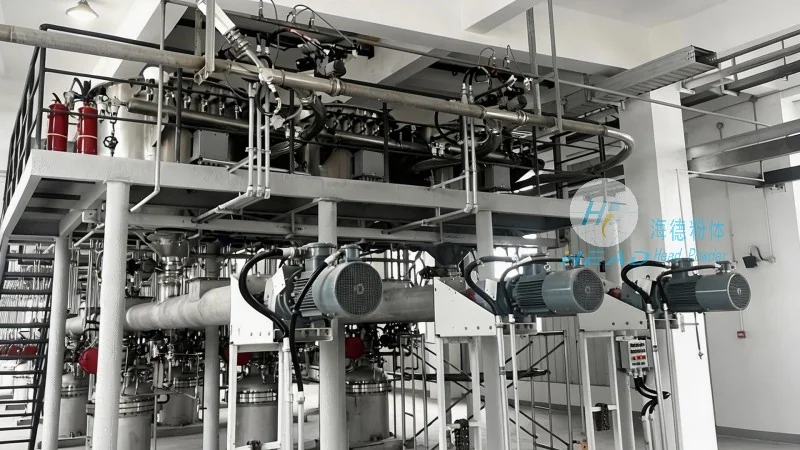
PTFE, or polytetrafluoroethylene, is renowned for its exceptional chemical resistance, low friction coefficient, and thermal stability. These properties make it an ideal choice for handling a wide range of materials, including corrosive powders, high-purity substances, and those sensitive to moisture or temperature variations. However, its unique characteristics also require careful consideration during system design. For instance, PTFE's non-stick surface can reduce material buildup but may also affect flow dynamics if not properly integrated into the system's design. Engineers must evaluate how PTFE's mechanical strength and flexibility align with the system's pressure and temperature ranges. Additionally, the material's resistance to abrasion and wear is crucial for long-term performance, especially in high-concentration or high-velocity conveying applications. By understanding these properties, designers can optimize component selection, such as choosing PTFE-lined pipes, valves, and fittings that match the material's performance characteristics.
The layout of a PTFE pneumatic conveying system is a critical aspect of its design, as it directly impacts efficiency and maintenance. A well-planned layout minimizes pressure losses, reduces energy consumption, and ensures smooth material flow. Key components include the hopper, feeder, conveying line, and discharge equipment. The hopper design must accommodate the material's bulk density and flow characteristics, often incorporating PTFE liners or coatings to prevent material adhesion and ensure consistent feeding. The feeder, typically a rotary valve or screw feeder, must be compatible with PTFE materials to avoid wear and maintain accuracy. Conveying lines are usually made of PTFE or PTFE-coated metal, chosen based on the system's pressure and flow requirements. The choice of fittings, such as elbows, tees, and check valves, is equally important, as they must withstand PTFE's chemical and thermal properties while ensuring minimal pressure drop. Proper component selection and layout optimization are essential to prevent blockages, reduce maintenance costs, and enhance the system's overall reliability. Shandong HeadPowder Engineering Co., Ltd. specializes in selecting and integrating these components to meet specific industrial requirements.
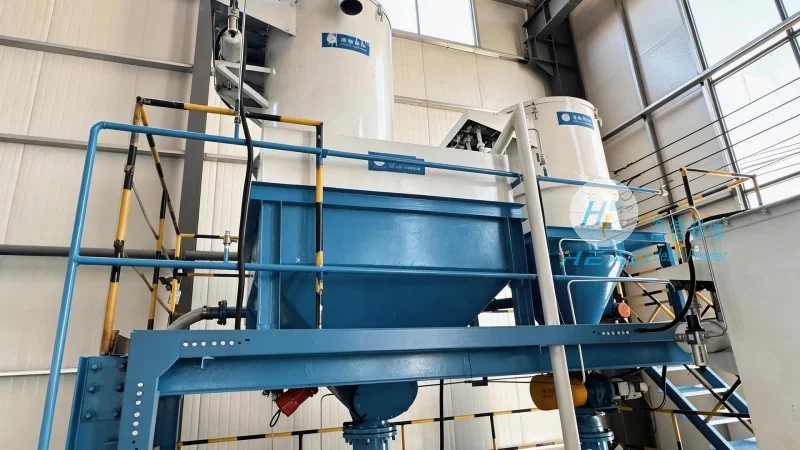
Operational parameters, such as air velocity, pressure, and material concentration, play a vital role in the performance of a PTFE pneumatic conveying system. Air velocity must be carefully controlled to prevent material degradation or excessive wear on components. Higher velocities can increase conveying efficiency but may lead to higher energy consumption and increased wear on PTFE parts. Conversely, lower velocities may result in lower efficiency or material deposition. The pressure within the system must be sufficient to overcome resistance from the conveying line, fittings, and discharge equipment while maintaining the material's flow characteristics. Material concentration, or the ratio of material to air, is another critical parameter. Higher concentrations can improve efficiency but may increase the risk of blockages or wear on components. Engineers must balance these parameters to achieve optimal performance, ensuring the system operates within safe and efficient limits. Regular monitoring and adjustment of these parameters are necessary to maintain system performance over time.
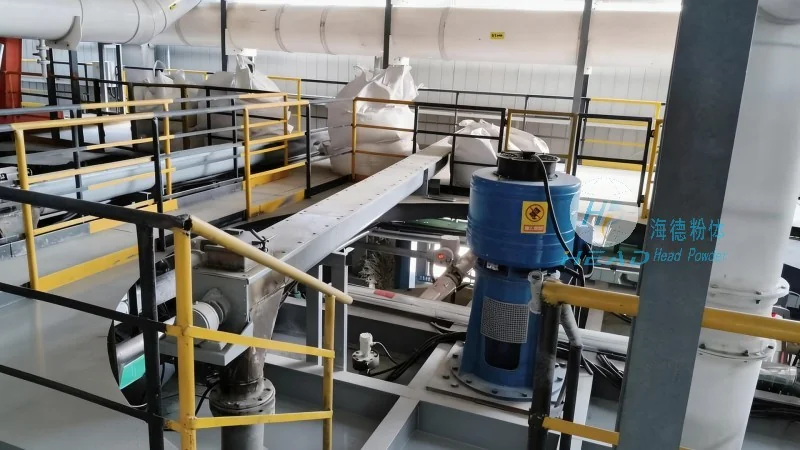
Maintenance is a key factor in the longevity and reliability of PTFE pneumatic conveying systems. PTFE's resistance to chemicals and wear reduces the need for frequent maintenance compared to traditional materials, but regular inspections are still essential. Key maintenance tasks include checking for wear on components, ensuring proper sealing, and monitoring pressure and flow rates. PTFE components may require replacement only after extended use or if exposed to harsh conditions, reducing downtime and maintenance costs. Additionally, proper cleaning procedures are necessary to prevent material buildup and maintain system efficiency. The use of compatible cleaning agents and tools is crucial to avoid damaging PTFE surfaces. By implementing a regular maintenance schedule and using appropriate maintenance practices, system owners can extend the lifespan of their PTFE pneumatic conveying systems and ensure consistent performance.
PTFE pneumatic conveying systems are used in various industries, including chemical, pharmaceutical, food, and aerospace. Each application has unique requirements that must be considered during design. For example, in the pharmaceutical industry, systems must meet stringent cleanliness and contamination control standards. This may require additional components, such as filters and sterilization processes, to ensure product purity. In the food industry, PTFE systems must be designed to handle food-grade materials and comply with regulatory requirements. The choice of PTFE grade and components may vary based on the specific application, as different grades offer varying levels of chemical resistance and mechanical properties. Engineers must consider the material's particle size, moisture content, and flow characteristics to design a system that meets the application's specific needs. By tailoring the system to the application, engineers can maximize efficiency and minimize operational issues.

 Shandong Headpowder Engineering Co., Ltd.
 156-6277-7102(Manager Zhang)
  0531-83386006
  Zhangqiu District, Jinan City, Shandong Province, China
telephone
WeChatconsult
top