With more than 10‑year industry experience, Shandong Headpowder delivers full‑service pneumatic‑conveying systems and blowers, undertaking nationwide turn‑key powder‑handling projects.
Wheat starch pneumatic conveying lines are critical equipment in the food processing sector, engineered to efficiently transport wheat starch from storage to processing units. These systems are designed to handle the unique characteristics of wheat starch, ensuring minimal product degradation and consistent flow. The technology integrates pneumatic principles with robust engineering to deliver reliable performance in industrial settings.
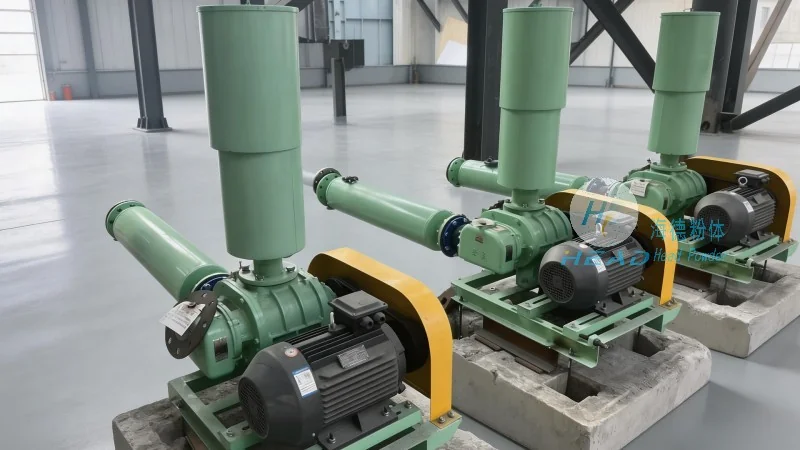
The operation of a wheat starch pneumatic conveying line relies on several essential components that work in concert to achieve efficient material transport. These components include the hopper (for storing wheat starch), the feeder (controlling flow rate), the conveying pipe (transporting material), the air compressor (generating air pressure), and the dust collector (removing airborne particles). Each component is selected for compatibility with wheat starch, minimizing clogging risks and contamination.
Pneumatic conveying operates on the principle of using air to move solid materials through a pipeline. For wheat starch, a positive pressure system is typically used, as it effectively handles fine powders and prevents product degradation. The air compressor generates high-pressure air, which is mixed with wheat starch in the hopper. The feeder then introduces the starch into the conveying pipe, where the air flow propels the material forward. A consistent air-to-material ratio is maintained to ensure smooth transport and prevent blockages.
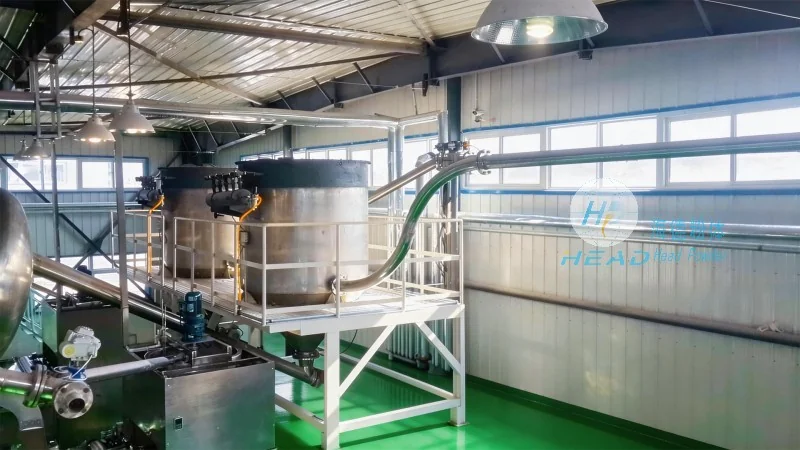
The operation of a wheat starch pneumatic conveying line follows a systematic process to ensure optimal performance. It begins with loading wheat starch into the hopper, which is equipped with a level indicator to monitor material levels. Next, the air compressor is activated, and air pressure is adjusted. The feeder is set to the desired flow rate (controlled by a variable speed drive). As the feeder starts, air is introduced into the conveying pipe, creating a flow of air and starch. The material is transported to the destination (e.g., processing unit or storage silo). The system continuously monitors pressure and flow rates to maintain stability; if issues arise (e.g., blockage, pressure drop), it automatically adjusts or shuts down to prevent equipment or product damage.
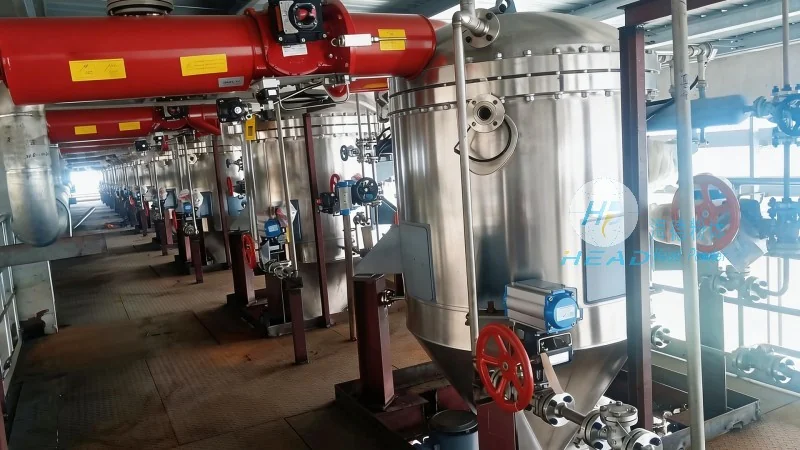
Wheat starch pneumatic conveying lines offer advantages over traditional mechanical systems. These include reduced product contamination (no direct contact with metal surfaces), minimized degradation (gentle conveying), and the ability to transport fine powders without additional equipment (e.g., elevators). The system is flexible (adjustable for flow rates/material types) and energy-efficient (uses less power than mechanical systems). It can also be integrated with other processing equipment for streamlined operations.
Maintaining a wheat starch pneumatic conveying line is crucial for long-term performance and safety. Regular maintenance involves cleaning the hopper and conveying pipe to prevent clogging, checking the air compressor for proper operation, and inspecting the feeder for wear. Safety measures are vital due to high pressures and explosion risks; the system must include pressure relief valves and other safety devices. Operators should be trained on proper operation and maintenance to ensure safe, efficient use.

 Shandong Headpowder Engineering Co., Ltd.
 156-6277-7102(Manager Zhang)
  0531-83386006
  Zhangqiu District, Jinan City, Shandong Province, China
telephone
WeChatconsult
top