With more than 10‑year industry experience, Shandong Headpowder delivers full‑service pneumatic‑conveying systems and blowers, undertaking nationwide turn‑key powder‑handling projects.
Pneumatic conveying equipment, particularly designed for handling pearl sand, plays a crucial role in various industrial applications. Pearl sand, a fine particulate material, often requires efficient and reliable transport solutions to ensure smooth operational workflows. The equipment from Shandong HeadPowder Engineering Co., Ltd. (headpowder) is engineered to meet these demands, offering a robust system for material handling. This article explores the operation process and working principle of such equipment, highlighting its key components and the step-by-step procedures involved in its functionality.
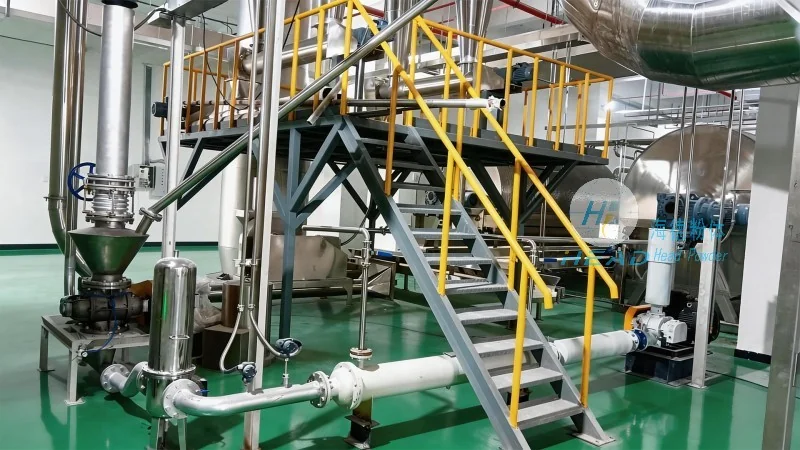
The pneumatic conveying system for pearl sand typically consists of several essential components that work in tandem to facilitate material transport. These include a hopper for material storage, a feeder to control the flow rate, a conveying line (often equipped with bends and straight sections), a dust separator or filter to clean the air, and a discharge outlet for the material. Each component is carefully designed to ensure optimal performance and minimal downtime. The hopper is usually equipped with a level indicator to monitor the material inventory, while the feeder may be a rotary valve or a screw feeder, depending on the specific requirements of the application. The conveying line is constructed from materials resistant to abrasion and corrosion, such as stainless steel or high-density polyethylene, to withstand the abrasive nature of pearl sand. The dust separator is critical for maintaining air quality and preventing contamination, often utilizing cyclone separation or bag filters. The discharge outlet is designed to safely release the material into the receiving container or processing unit.
The operation process of the pearl sand pneumatic conveying equipment begins with the loading of the material into the hopper. Once the hopper is filled, the feeder starts to discharge the material at a controlled rate. Simultaneously, the air compressor or blower generates a high-pressure airflow that is introduced into the conveying line. The airflow creates a negative pressure or positive pressure environment, depending on the system design, which pulls or pushes the material particles along the line. As the material travels through the conveying line, it may encounter bends or changes in direction, which are designed to minimize material degradation and ensure smooth transport. The dust separator then cleans the air by removing any entrained particles, ensuring that the exhaust air is free from dust. The purified air is then discharged, while the separated material is collected in the receiving container. The entire process is automated, with sensors and control systems monitoring the flow rates, pressure, and material levels to maintain optimal performance. The system can be operated continuously or in batch mode, depending on the production requirements. Regular maintenance, such as cleaning the dust separator and checking the air compressor, is essential to ensure the longevity and efficiency of the equipment.
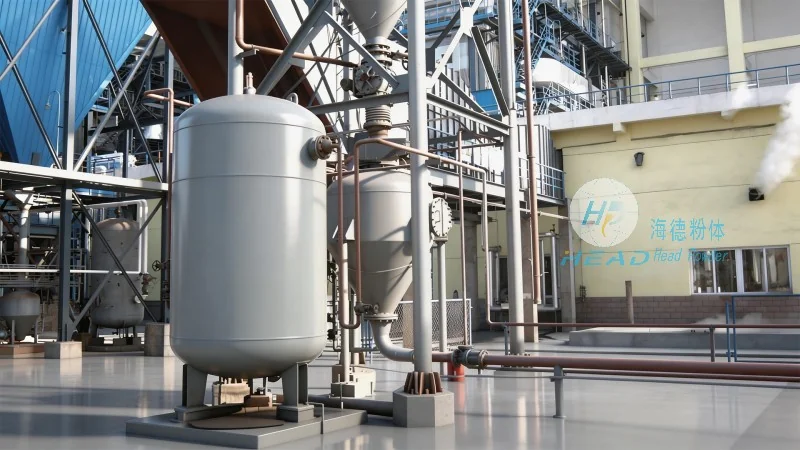
The working principle of the pneumatic conveying system for pearl sand is based on the principles of fluid dynamics and particle transport. The system utilizes air as the conveying medium, which can be either in a dilute phase (where particles are suspended in the air) or a dense phase (where particles are more closely packed). The choice between these phases depends on the material characteristics, such as particle size, density, and moisture content. In the dilute phase system, the air velocity is high enough to keep the particles suspended, allowing them to travel through the line efficiently. The pressure drop along the conveying line is a key factor, as it determines the energy required to transport the material. The system is designed to minimize energy consumption while ensuring reliable transport. The dense phase system, on the other hand, operates at lower air velocities, allowing the particles to move in a more cohesive manner, which can be beneficial for handling materials that are prone to bridging or clogging. The working principle also involves the interaction between the air flow and the material particles, where the air exerts a drag force on the particles, propelling them forward. The design of the conveying line, including the diameter and length, is critical to achieving the desired transport efficiency. The dust separator works by utilizing centrifugal force to separate the particles from the air, with the larger particles being collected and the clean air being discharged. The overall efficiency of the system is influenced by factors such as the air pressure, flow rate, and the characteristics of the pearl sand being conveyed.
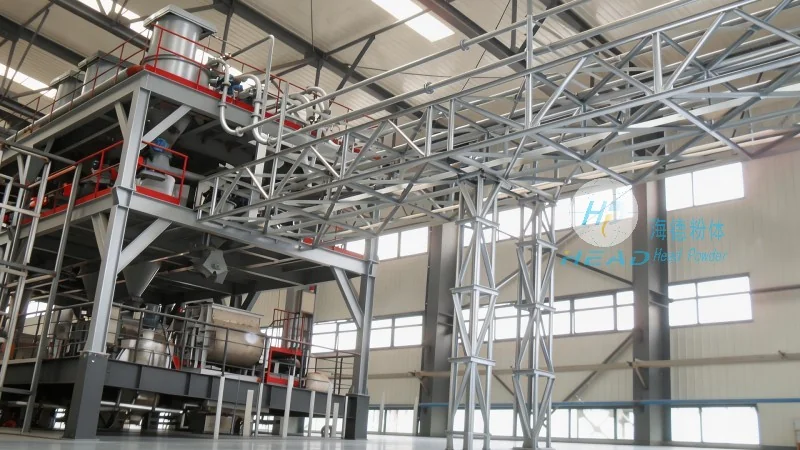
The pneumatic conveying equipment for pearl sand offers several advantages over traditional material handling methods, such as bucket elevators or belt conveyors. These benefits include reduced material degradation, as the particles are not subjected to mechanical stress during transport. The system also minimizes dust emissions, contributing to a cleaner working environment and improved safety. Additionally, the equipment is compact and can be installed in confined spaces, making it suitable for various industrial settings. The automated operation reduces labor costs and increases production efficiency. The equipment is widely used in industries such as pharmaceuticals, food processing, and chemical manufacturing, where the handling of fine particulate materials is critical. Shandong HeadPowder Engineering Co., Ltd. has developed advanced solutions tailored to the specific needs of these industries, ensuring that the equipment meets the highest standards of performance and reliability. The company's expertise in material handling systems has enabled the development of customized solutions that address the unique challenges of each application.
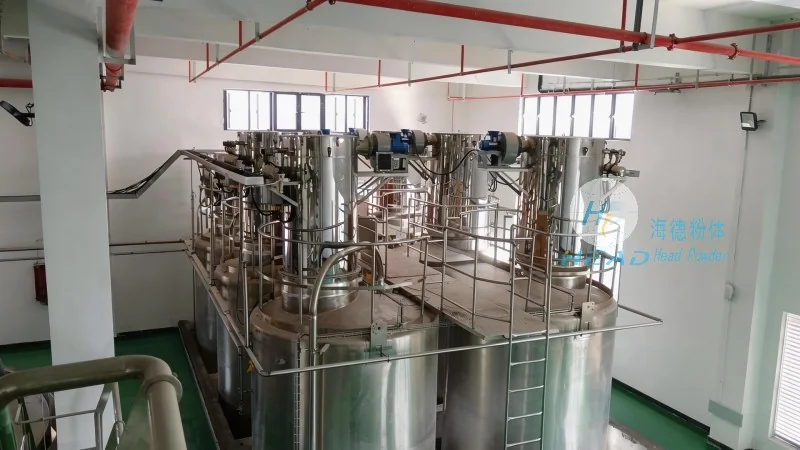
Proper maintenance is essential to ensure the long-term performance and reliability of the pneumatic conveying equipment. Regular inspection of the hopper and feeder for material buildup or blockages is recommended. The dust separator should be cleaned periodically to prevent clogging and maintain air quality. The air compressor or blower should be checked for proper operation, including pressure and flow rates. Any signs of wear and tear, such as leaks or reduced performance, should be addressed promptly. Troubleshooting common issues, such as material clogging or reduced conveying efficiency, involves checking the material flow rate, air pressure, and the condition of the conveying line. If the system is not conveying material as expected, the feeder may need adjustment, or the air compressor may need to be serviced. The dust separator may also need cleaning if the air quality is poor. By following a regular maintenance schedule and addressing issues promptly, the equipment can operate efficiently and provide reliable service for many years. Shandong HeadPowder Engineering Co., Ltd. provides technical support and maintenance services to ensure that the equipment remains in optimal condition.
Pneumatic conveying equipment for pearl sand is a sophisticated system that combines advanced engineering and material handling principles to provide efficient and reliable transport solutions. The operation process involves the coordinated action of several components, working together to move the material from the source to the destination. The working principle is based on fluid dynamics and particle transport, ensuring that the material is conveyed in a controlled manner. The equipment offers numerous benefits, including reduced material degradation, improved safety, and increased efficiency. With proper maintenance and operation, the system can meet the demands of various industrial applications. Shandong HeadPowder Engineering Co., Ltd. continues to innovate and develop advanced solutions to meet the evolving needs of the industry, ensuring that the equipment remains at the forefront of material handling technology.

 Shandong Headpowder Engineering Co., Ltd.
 156-6277-7102(Manager Zhang)
  0531-83386006
  Zhangqiu District, Jinan City, Shandong Province, China
telephone
WeChatconsult
top