With more than 10‑year industry experience, Shandong Headpowder delivers full‑service pneumatic‑conveying systems and blowers, undertaking nationwide turn‑key powder‑handling projects.
Automatic weighing and powder conveying systems are critical components in modern industrial processes, particularly in sectors that require precise formulation and efficient material handling. These systems integrate advanced weighing technology with robust powder transport mechanisms to ensure accurate dosing and seamless material flow. The core principle of such systems lies in the combination of high-precision load cells, sophisticated control software, and durable conveying equipment designed to handle a wide range of powders, from fine chemicals to bulk raw materials.
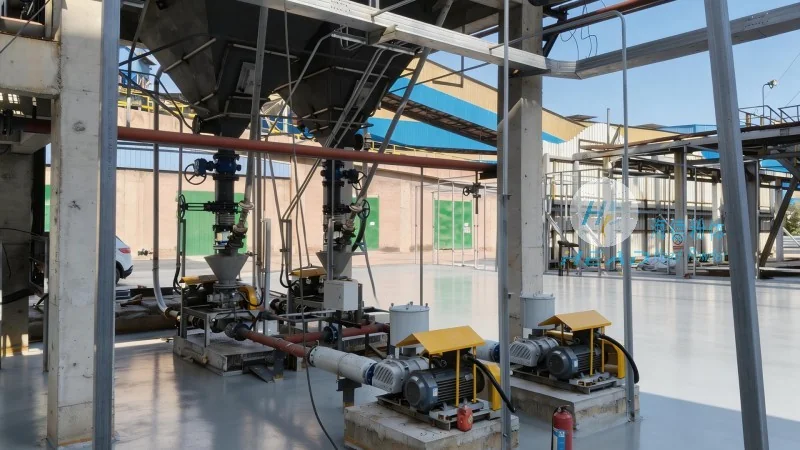
The fundamental architecture of an automatic weighing and powder conveying system typically includes several key components. At the heart of the system is the weighing module, which utilizes strain gauge load cells to measure the mass of materials with exceptional accuracy—often within a fraction of a gram. This module is connected to a programmable logic controller (PLC) or a dedicated control system that processes the weight data and initiates the conveying action. The control system may incorporate feedback loops to adjust the flow rate in real-time, ensuring that the target weight is achieved precisely. Additionally, the system features a powder conveying unit, such as a screw conveyor, pneumatic conveyor, or a combination of both, which transports the material from a storage hopper to the weighing hopper or directly to the processing line. The integration of these components allows for a closed-loop operation where the weighing and conveying processes are synchronized, minimizing material waste and optimizing production efficiency.
Automatic weighing and powder conveying systems are widely applied across various industries, each with distinct operational requirements. In the pharmaceutical industry, for example, these systems are essential for producing high-purity drug formulations, where precise dosing of active pharmaceutical ingredients (APIs) and excipients is critical to ensure product efficacy and safety. The systems are designed to maintain strict contamination control, with features like stainless steel construction, air filtration, and enclosed conveying paths to prevent cross-contamination. In the food and beverage sector, similar systems are used for processing ingredients like flour, sugar, and spices, where consistency and hygiene are paramount. The ability to handle different powder types and maintain low moisture content is crucial in these applications.
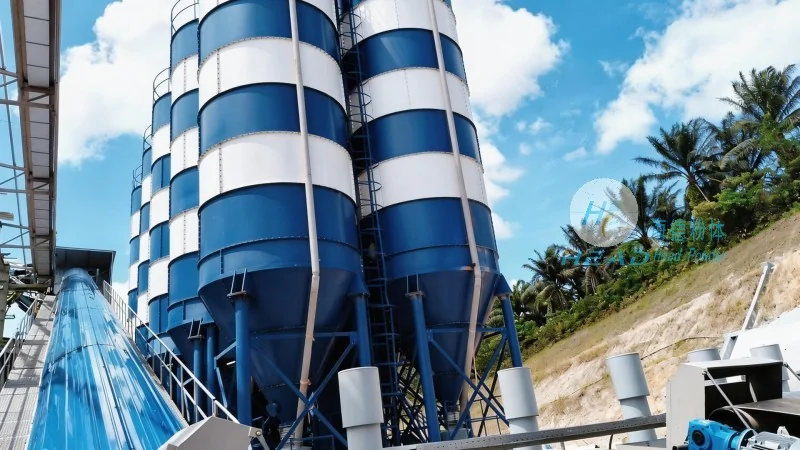
In the chemical and petrochemical industries, automatic weighing and powder conveying systems are employed for handling bulk raw materials like catalysts, pigments, and reagents. These systems often operate under high-pressure or temperature conditions, requiring robust materials of construction and advanced sealing mechanisms to prevent leaks and ensure safety. The systems are also integrated with safety features, such as emergency stop buttons and overload protection, to comply with industrial safety standards. Furthermore, in the agricultural sector, these systems are used for blending fertilizers and pesticides, where accurate mixing ratios are essential for crop protection and yield optimization. The versatility of the systems allows them to adapt to different powder properties, including varying densities and flow characteristics.
The adoption of automatic weighing and powder conveying systems brings numerous advantages to industrial operations. One of the primary benefits is the significant improvement in weighing accuracy and repeatability. Traditional manual weighing methods are prone to human error and variability, whereas automated systems can achieve consistent results with minimal deviation, even when handling small batch sizes. This precision is particularly valuable in quality control processes, where accurate measurement of ingredients directly impacts product quality and compliance with regulatory standards. Additionally, these systems enhance operational efficiency by automating the weighing and conveying processes, reducing the need for manual intervention and labor. This not only increases production throughput but also minimizes downtime caused by material handling delays.
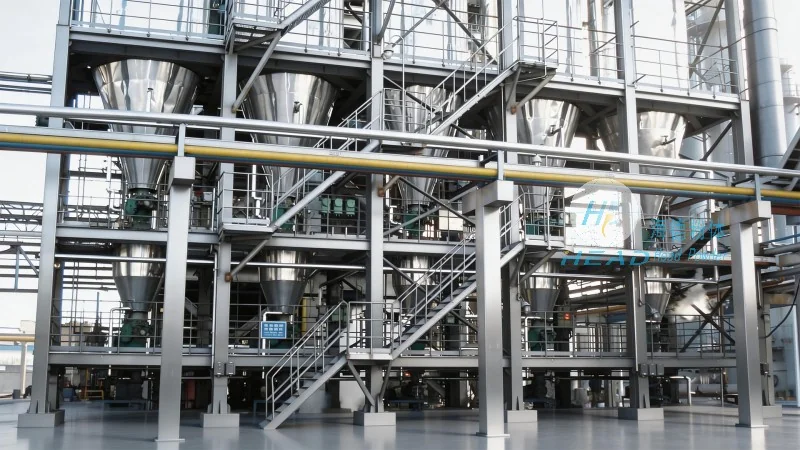
Another key advantage is the reduction in material waste and cost savings. By precisely controlling the amount of material conveyed, the systems prevent overfilling or underfilling, which can lead to product rework or loss of raw materials. This efficiency translates into lower operational costs and higher profitability for manufacturers. Furthermore, the automated nature of the systems improves workplace safety by minimizing the risk of manual handling of powders, which can cause dust exposure or physical strain. The enclosed design of the conveying units and the use of dust collection systems help maintain a clean and safe working environment.
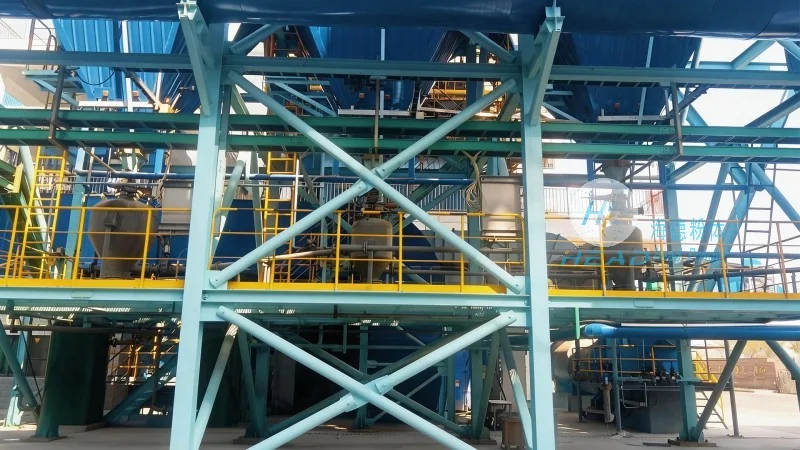
Automatic weighing and powder conveying systems are highly customizable to meet the specific needs of different industries and applications. Manufacturers can tailor the system's components, such as the type of load cells, conveying mechanisms, and control software, to suit the properties of the materials being handled. For instance, systems can be equipped with special hopper designs to handle cohesive or sticky powders, or with air classifiers to separate fine particles from larger ones. The control system can also be programmed with different weighing protocols, such as single-point or multi-point weighing, to accommodate various production requirements. Moreover, these systems are scalable, allowing them to be expanded or integrated with other production equipment as the business grows. This flexibility ensures that the system remains a viable investment even as production volumes or product lines evolve.
In conclusion, automatic weighing and powder conveying systems represent a sophisticated solution for industries requiring precise material handling and efficient production processes. By integrating advanced weighing technology with robust conveying mechanisms, these systems ensure accurate dosing, minimize material waste, and enhance operational efficiency. The working scene characteristics and application scenarios across various industries highlight the versatility and adaptability of these systems, making them indispensable in modern manufacturing. As technology continues to advance, these systems are likely to become even more integrated with automation and digital control systems, further optimizing industrial operations and supporting the growth of manufacturing sectors worldwide.

 Shandong Headpowder Engineering Co., Ltd.
 156-6277-7102(Manager Zhang)
  0531-83386006
  Zhangqiu District, Jinan City, Shandong Province, China
telephone
WeChatconsult
top