With more than 10‑year industry experience, Shandong Headpowder delivers full‑service pneumatic‑conveying systems and blowers, undertaking nationwide turn‑key powder‑handling projects.
HeadPowder, a leading engineering company based in Shandong, China, specializes in the design and implementation of advanced pneumatic conveying systems tailored for handling soap granules. This article delves into the fundamental principles behind these systems and highlights the key working scene characteristics that make them efficient and reliable in industrial applications.
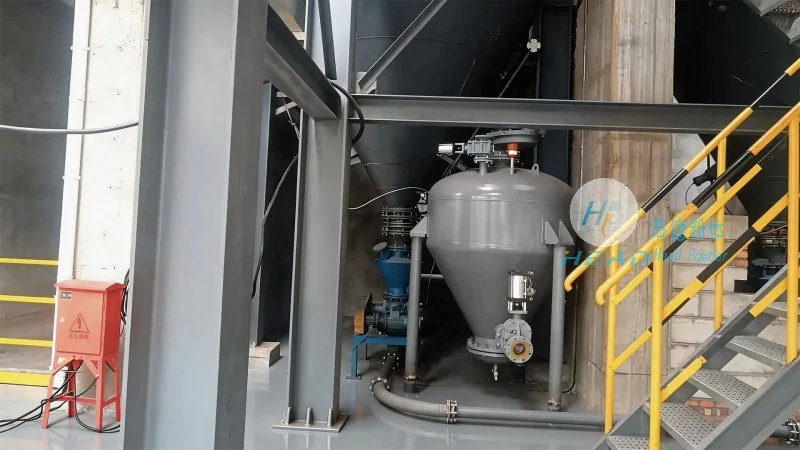
Pneumatic conveying systems utilize air or gas to transport bulk materials like soap granules from one location to another. The core principle involves creating a pressure differential that propels the material through a pipeline. For soap granules, which are typically fine and abrasive, specialized equipment is essential to ensure smooth and efficient transport without degradation or blockage.
The pneumatic conveying line for soap granules consists of several critical components, each playing a vital role in the overall operation. These include the material hopper, which stores the soap granules; the air compressor or blower, which generates the necessary airflow; the conveying pipeline, which transports the material; and the discharge hopper or collection unit, where the material is deposited. The system operates by feeding the soap granules into the hopper, where they are then drawn into the pipeline by the moving air. The air velocity and pressure are carefully controlled to maintain a consistent flow rate and prevent material degradation.
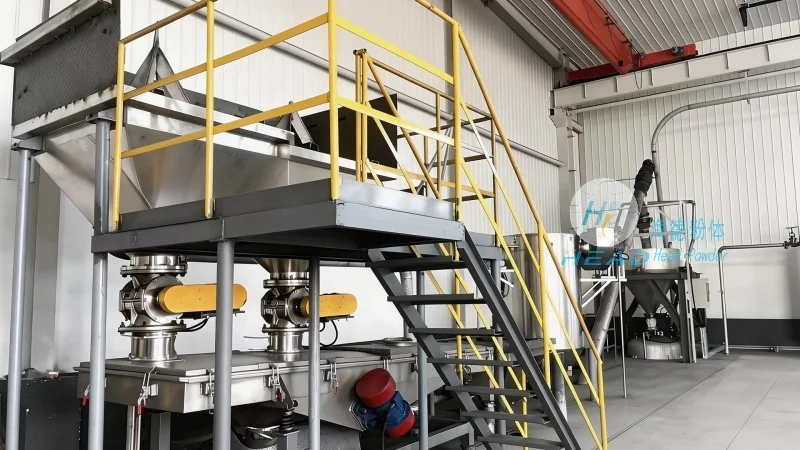
The working scene characteristics of soap granule pneumatic conveying systems are tailored to meet the specific demands of industrial processes. These systems are commonly used in manufacturing facilities where soap granules need to be transported between production lines, storage areas, or packaging units. The key benefits include reduced labor costs, minimized material handling time, and improved safety by eliminating manual handling of bulk materials. Additionally, these systems offer flexibility in layout, allowing for horizontal, vertical, or inclined transport, depending on the plant's design and space constraints.
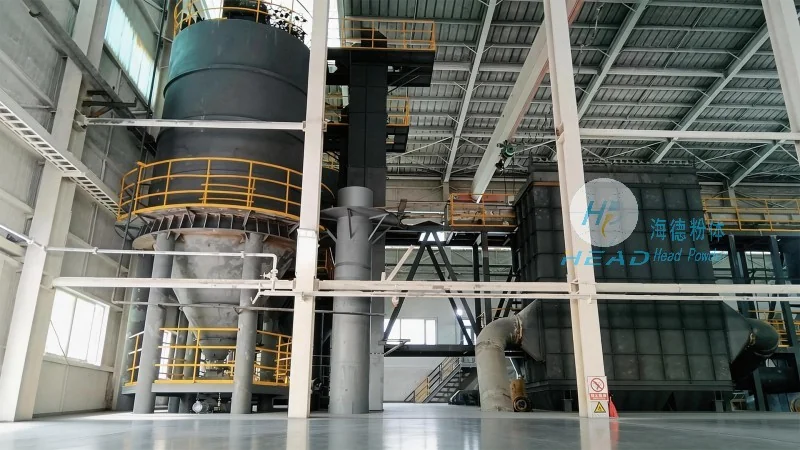
HeadPowder's pneumatic conveying solutions for soap granules are engineered to deliver high efficiency and reliability in demanding industrial environments. The systems are designed to handle the unique properties of soap granules, such as their fine particle size and potential for moisture absorption, ensuring that the material remains intact during transport. Advanced control systems are integrated to monitor and adjust the airflow and pressure in real-time, optimizing performance and preventing system failures. This results in consistent product quality and reduced downtime, which are crucial for maintaining operational efficiency in manufacturing plants.
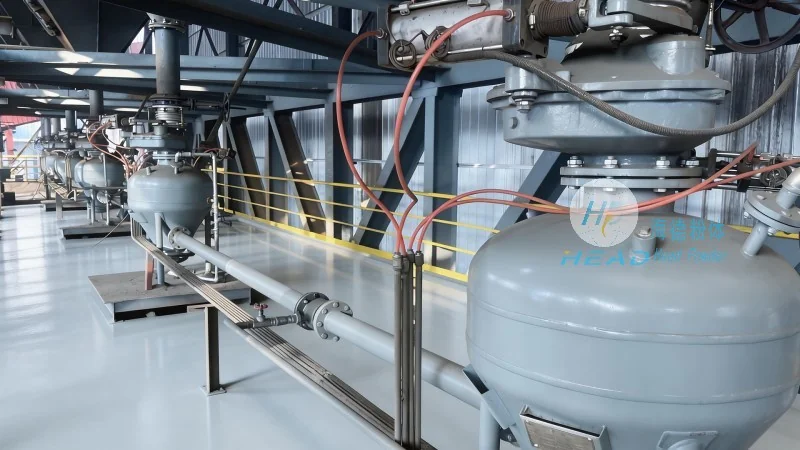
HeadPowder understands that each industrial facility has unique requirements. Therefore, their pneumatic conveying systems are highly customizable to meet specific needs. Whether the application involves short-distance transport within a plant or long-distance transfer between different facilities, the systems can be scaled to accommodate varying material volumes and flow rates. The company's engineering expertise ensures that the systems are designed to integrate seamlessly with existing infrastructure, minimizing installation time and costs. This flexibility makes the systems suitable for a wide range of industries, including soap manufacturing, chemical processing, and food production.
In conclusion, the pneumatic conveying line for soap granules is a sophisticated and efficient solution for transporting bulk materials in industrial settings. By leveraging the principles of air movement and specialized equipment, these systems offer significant advantages in terms of productivity, safety, and cost-effectiveness. HeadPowder's expertise in designing and implementing such systems ensures that clients receive tailored solutions that meet their specific operational needs, contributing to enhanced overall performance in their manufacturing processes.

 Shandong Headpowder Engineering Co., Ltd.
 156-6277-7102(Manager Zhang)
  0531-83386006
  Zhangqiu District, Jinan City, Shandong Province, China
telephone
WeChatconsult
top