With more than 10‑year industry experience, Shandong Headpowder delivers full‑service pneumatic‑conveying systems and blowers, undertaking nationwide turn‑key powder‑handling projects.
Understanding the air-driven transport of urea granular materials is crucial for optimizing material handling processes in industrial settings. This article delves into the fundamental principles behind this technology and highlights key characteristics of its application in various working scenarios.
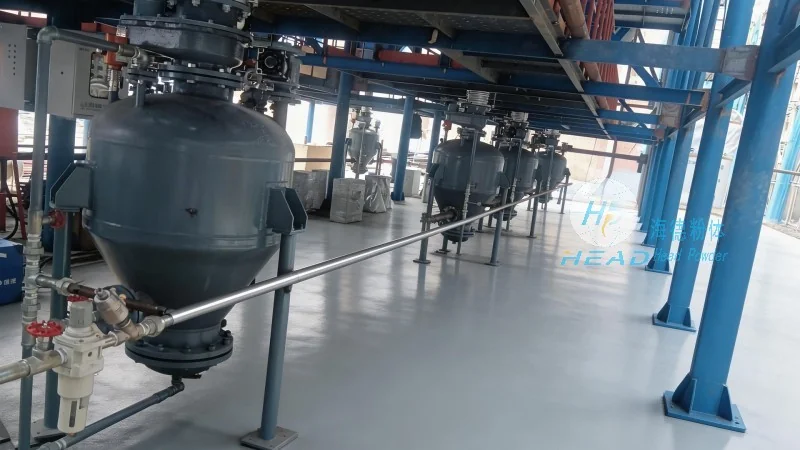
Air-driven transport, also known as pneumatic conveying, is a method of transporting bulk materials like urea granules through a pipeline using compressed air. This technology offers several advantages over traditional mechanical conveying systems, including reduced equipment wear, lower maintenance costs, and the ability to handle materials in a dust-free environment. The core principle involves creating a pressure differential within the pipeline to move the material from the source to the destination. For urea granular materials, this process is particularly effective due to the material's particle size and density, which allow for efficient suspension and movement through the air stream.
The effectiveness of air-driven transport for urea granular materials relies on several key principles. First, the design of the conveying system must account for the material's flow properties, such as its angle of repose and cohesive forces. Urea granules typically have a relatively low angle of repose, which facilitates smooth flow, but their cohesive nature may require additional measures to prevent blockages. Second, the velocity of the air stream is critical; it must be sufficient to suspend the particles while minimizing energy consumption. The system must also ensure that the air pressure and flow rate are optimized to maintain a consistent material flow rate without causing excessive wear on the pipeline or components. Additionally, the use of appropriate pipeline diameters and bends is essential to prevent pressure losses and maintain the material's velocity.
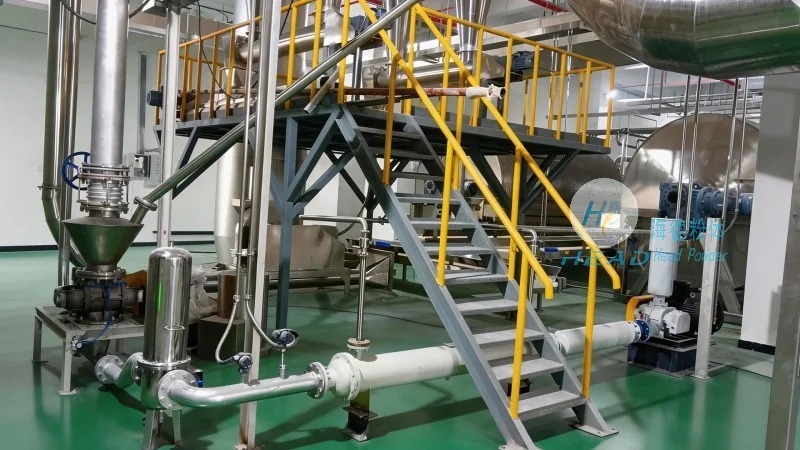
The application of air-driven transport for urea granular materials varies across different industrial working scenes. In fertilizer production facilities, for example, this technology is commonly used to transport urea from storage silos to processing units or packaging lines. The ability to handle large volumes of material efficiently and maintain a clean environment is particularly valuable in such settings. Another common application is in agricultural distribution centers, where urea is transported from bulk storage to trucks or storage bins for delivery to farms. The flexibility of air-driven systems allows them to be integrated into existing infrastructure, making them suitable for both new and retrofit projects. Furthermore, in chemical processing plants, the technology is used to transfer urea granules between different processing stages, such as from granulation to coating or from storage to the final product line. The consistent and reliable operation of these systems ensures that production processes run smoothly without interruptions.
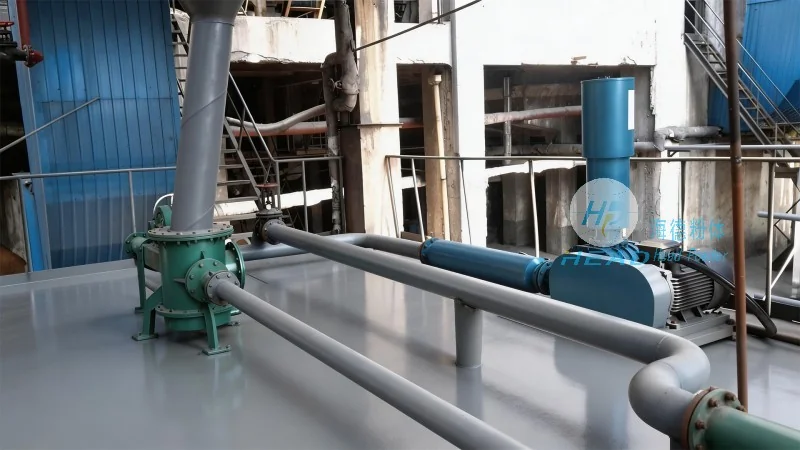
Implementing air-driven transport for urea granular materials offers several advantages. One of the most significant benefits is the reduction in labor costs associated with manual handling of bulk materials. The automated system minimizes the need for human intervention, enhancing safety and efficiency. Additionally, the technology reduces the risk of material contamination, which is critical for urea, a product used in agriculture and other industries where purity is essential. However, there are also considerations to keep in mind. The initial investment in air-driven transport systems can be higher than traditional mechanical systems, and the energy consumption must be managed to ensure cost-effectiveness. Furthermore, the system's performance may be affected by changes in material properties, such as moisture content or particle size distribution, which can impact the conveying efficiency. Regular maintenance and monitoring are necessary to ensure optimal performance and prevent system failures.
In conclusion, air-driven transport is a highly effective method for handling urea granular materials in various industrial working scenes. By understanding the fundamental principles and characteristics of this technology, companies can optimize their material handling processes, improve efficiency, and reduce costs. The technology's ability to handle large volumes of material efficiently, maintain a clean environment, and integrate with existing infrastructure makes it a valuable solution for industries relying on urea as a key product. As industrial processes continue to evolve, the adoption of advanced material handling technologies like air-driven transport will remain crucial for maintaining competitiveness and meeting the demands of modern production.

 Shandong Headpowder Engineering Co., Ltd.
 156-6277-7102(Manager Zhang)
  0531-83386006
  Zhangqiu District, Jinan City, Shandong Province, China
telephone
WeChatconsult
top