With more than 10‑year industry experience, Shandong Headpowder delivers full‑service pneumatic‑conveying systems and blowers, undertaking nationwide turn‑key powder‑handling projects.
Perlite, a lightweight, amorphous volcanic glass, is widely utilized across various industrial sectors due to its exceptional properties, including low bulk density and high thermal insulation capabilities. The efficient and reliable transportation of perlite particles is often achieved through pneumatic conveying systems, which offer advantages such as dust-free operation, flexibility in layout, and the ability to transport materials over extended distances. This article delves into the fundamental principles governing perlite pneumatic conveying equipment, elucidating the key components, operational mechanisms, and practical considerations essential for optimizing material transport efficiency.
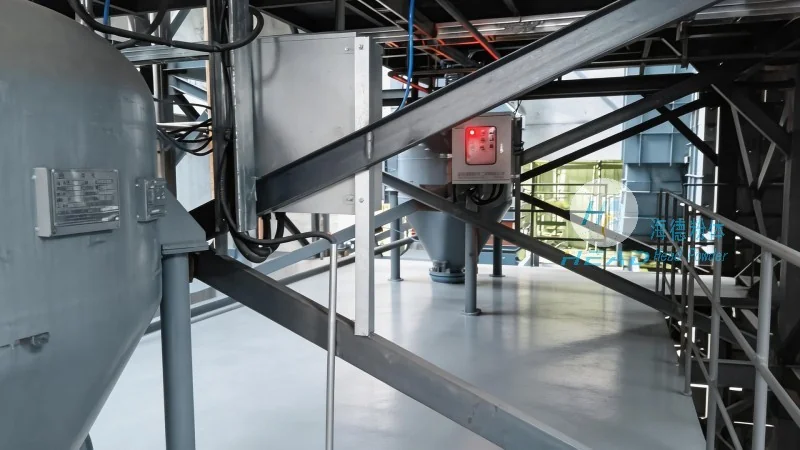
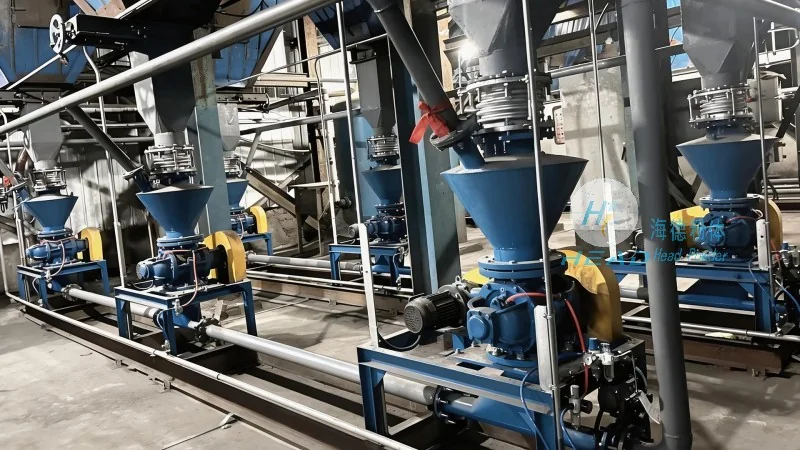
The perlite pneumatic conveying equipment comprises several critical components that collaborate to ensure seamless material handling. The primary elements include a hopper or feeder for storing and discharging the perlite, a blower or air compressor to generate the conveying air, a pipeline network for transporting the material-air mixture, and a receiver or collection tank for depositing the conveyed perlite. Each component is meticulously designed to maintain system efficiency and reliability, with the hopper ensuring a consistent material feed, the blower providing the necessary air pressure, the pipeline facilitating the transport, and the receiver collecting the material.
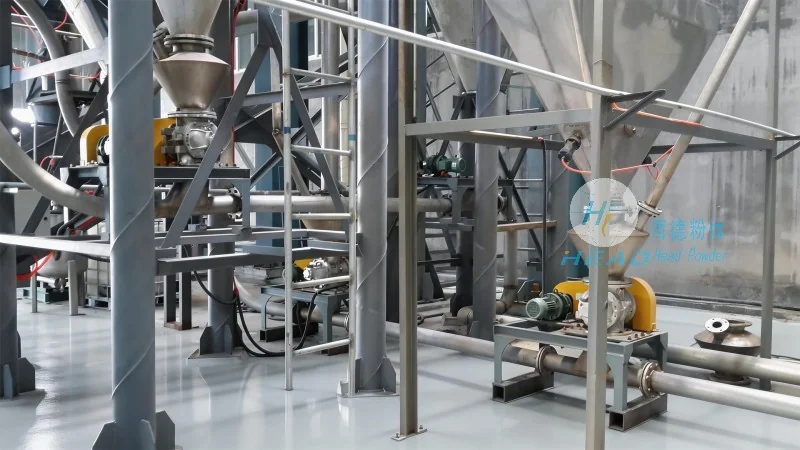
The core of the pneumatic conveying process revolves around creating a pressure differential between the inlet and outlet of the conveying line. The blower generates high-pressure air, which is introduced into the pipeline. As the air flows through the system, it lifts and propels the perlite particles, forming a suspension that moves through the pipeline. The air velocity and the size of the perlite particles are critical factors influencing system performance. Proper air velocity ensures that particles are fully entrained and transported without excessive pressure drop or particle degradation, which could compromise material quality.
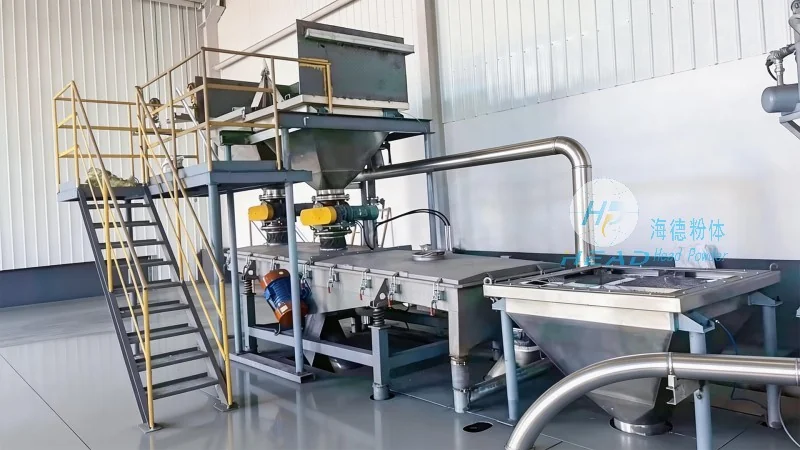
Compared to traditional mechanical conveying methods, perlite pneumatic conveying presents several distinct advantages. The most significant benefit is the elimination of dust and contamination, a critical factor for applications where material purity is paramount. Additionally, the system offers flexibility in terms of layout, allowing for integration into existing production lines without major structural modifications. The ability to transport materials over long distances without intermediate transfer points enhances operational efficiency and reduces downtime. Furthermore, the system is relatively compact, making it suitable for spaces with limited room, and can handle materials with varying particle sizes and moisture content, providing adaptability to diverse operational needs.

 Shandong Headpowder Engineering Co., Ltd.
 156-6277-7102(Manager Zhang)
  0531-83386006
  Zhangqiu District, Jinan City, Shandong Province, China
telephone
WeChatconsult
top