With more than 10‑year industry experience, Shandong Headpowder delivers full‑service pneumatic‑conveying systems and blowers, undertaking nationwide turn‑key powder‑handling projects.
HeadPowder, a leading provider in the field of material handling solutions, specializes in the design, manufacturing, and implementation of advanced pneumatic conveying systems tailored for metallurgical coke applications. This article delves into the fundamental principles of pneumatic conveying technology and highlights the key characteristics of its working environments, offering insights into how these systems enhance operational efficiency and reliability in industrial settings.
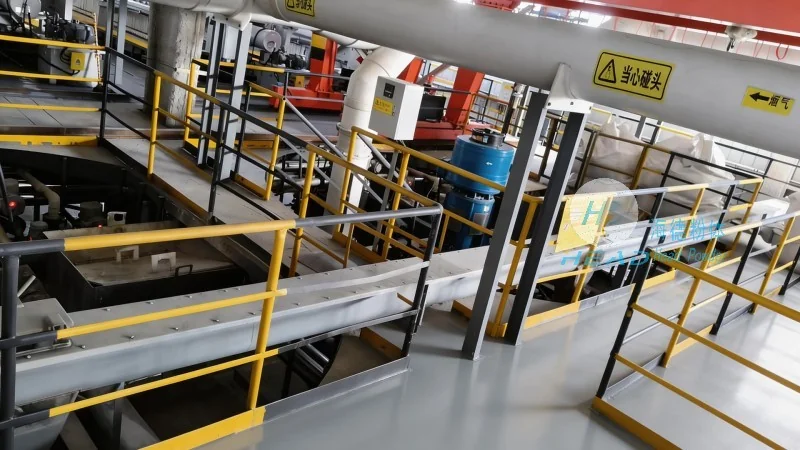
The core principle of pneumatic conveying involves the use of air or gas to transport bulk materials like metallurgical coke through a pipeline system. This method relies on the generation of a pressure differential, typically achieved through a blower or fan, which creates a flow of air that propels the coke particles. There are two primary types of pneumatic conveying systems: dilute-phase and dense-phase. Dilute-phase systems operate at higher velocities, allowing for longer distances and higher throughput, while dense-phase systems use lower velocities and higher air-to-material ratios to minimize particle degradation and ensure gentle handling. For metallurgical coke, which is often abrasive and requires careful handling to prevent breakage, the choice between these systems depends on the specific process requirements, such as the distance between the source and destination, the desired material flow rate, and the need to maintain particle integrity.
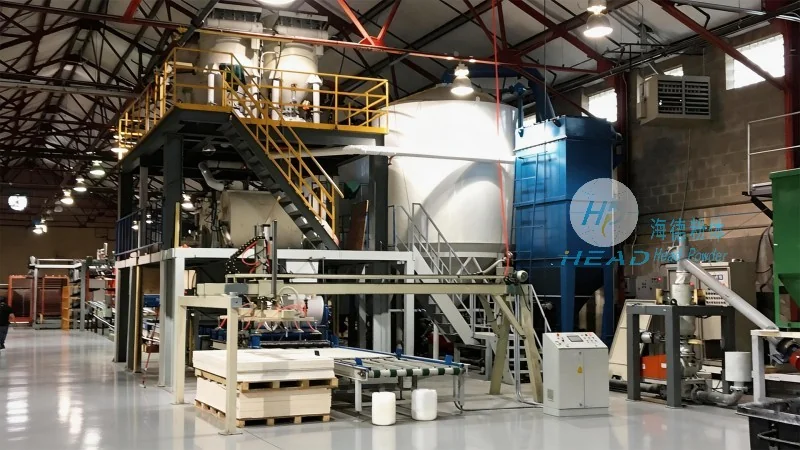
The working scene characteristics of pneumatic conveying for metallurgical coke are defined by several critical factors that influence system performance and operational outcomes. One of the most significant aspects is the material's physical properties, including its density, particle size distribution, and abrasiveness. Metallurgical coke typically has a high density and may contain irregularly shaped particles, which can impact the system's design and maintenance. For instance, larger or more irregular particles may require larger diameter pipelines or specialized valves to prevent blockages. Additionally, the system's working environment, such as temperature and humidity, plays a role in material behavior. High temperatures, common in coke production facilities, can affect the air flow characteristics and require the use of heat-resistant components to ensure system longevity.
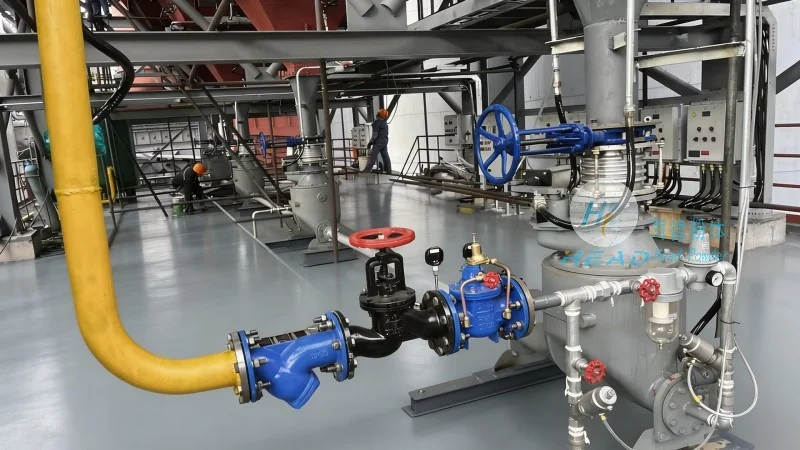
A pneumatic conveying system for metallurgical coke consists of several key components, each playing a crucial role in the overall operation. The primary components include the material feed system, the conveying line, the air supply unit (blower or fan), and the control system. The material feed system, often a hopper or feeder, ensures a consistent and controlled flow of coke into the pipeline. The conveying line, typically made of stainless steel or other corrosion-resistant materials, is designed to withstand the abrasive nature of coke and maintain air-tight integrity. The air supply unit generates the necessary pressure and airflow to move the material through the system. The control system monitors and regulates the flow of material and air, ensuring optimal performance and preventing issues like overloading or blockages. Each component must be carefully selected and integrated to meet the specific demands of metallurgical coke handling, ensuring reliability and efficiency.
Pneumatic conveying systems offer numerous advantages for the metallurgical industry, particularly when handling metallurgical coke. These systems provide a dust-free and enclosed transport method, which enhances safety by reducing the risk of dust explosions and improving working conditions. They also offer flexibility in terms of layout, as the conveying lines can be easily reconfigured to accommodate changes in production processes or facility expansions. The ability to transport coke over long distances without the need for intermediate storage or manual handling reduces labor costs and improves overall productivity. In metallurgical plants, these systems are commonly used for transporting coke from storage silos to blast furnaces, or from processing units to packaging areas. The gentle handling provided by pneumatic conveying helps maintain the coke's quality, which is critical for the efficiency of downstream processes like ironmaking. Additionally, the system's ability to handle varying material loads and flow rates makes it suitable for both continuous and batch operations, providing versatility in industrial applications.
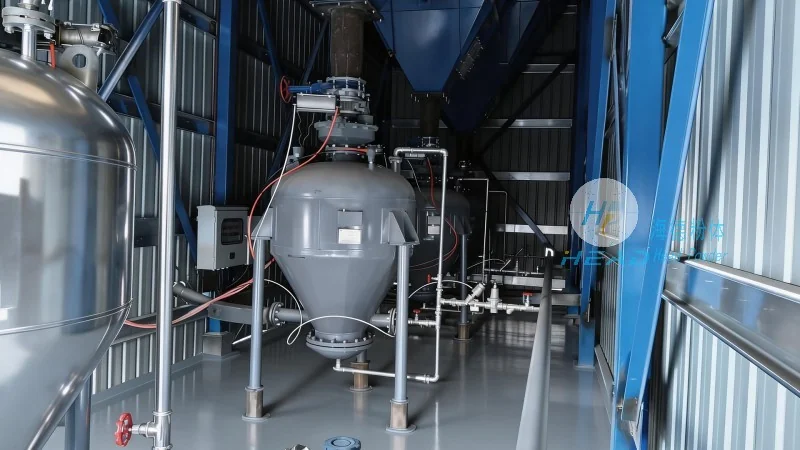
Shandong HeadPowder Engineering Co., Ltd., headquartered in Shandong, China, is a trusted partner in providing customized pneumatic conveying solutions for metallurgical coke applications. With years of experience in the material handling industry, HeadPowder leverages advanced engineering and manufacturing capabilities to design systems that meet the unique challenges of metallurgical coke handling. The company's expertise lies in understanding the specific requirements of each client, from the physical properties of the coke to the operational constraints of the facility. By working closely with clients, HeadPowder develops tailored solutions that optimize material flow, minimize downtime, and enhance overall operational efficiency. The company's commitment to quality and innovation ensures that its systems are reliable, durable, and cost-effective, providing long-term value to its clients in the metallurgical industry. Whether it's a new installation or an upgrade to an existing system, HeadPowder offers comprehensive support, from design and installation to maintenance and troubleshooting, ensuring that clients can rely on their pneumatic conveying systems for years to come.

 Shandong Headpowder Engineering Co., Ltd.
 156-6277-7102(Manager Zhang)
  0531-83386006
  Zhangqiu District, Jinan City, Shandong Province, China
telephone
WeChatconsult
top