With more than 10‑year industry experience, Shandong Headpowder delivers full‑service pneumatic‑conveying systems and blowers, undertaking nationwide turn‑key powder‑handling projects.
Zinc calcine material conveying lines are integral to the zinc metallurgical industry, serving as the backbone for transporting calcined zinc ore from processing units to subsequent stages like smelting or refining. These systems are engineered to handle the specific physical and chemical properties of zinc calcine, which includes high temperature, abrasive nature, and varying particle sizes. The primary goal of these conveying lines is to ensure stable, efficient, and safe material flow, minimizing downtime and operational costs. Modern designs incorporate advanced materials and control technologies to meet the demanding requirements of contemporary zinc production facilities.
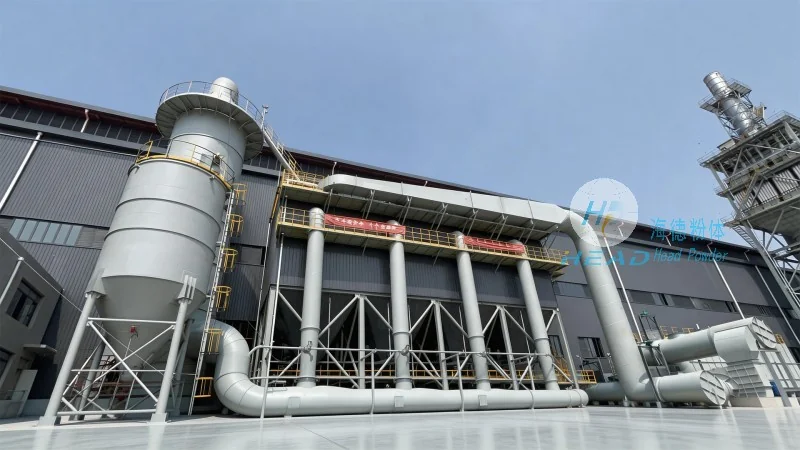
The zinc calcine material conveying line typically comprises several critical components, each playing a vital role in the overall operation. The system begins with a feed hopper, which stores and regulates the input of zinc calcine material. The hopper is designed with a sloped bottom to facilitate smooth material discharge into the conveyor. Next, the conveyor mechanism—often a belt conveyor or screw conveyor—transports the material along the designated path. Belt conveyors are commonly used for longer distances and larger volumes due to their high capacity and flexibility. Screw conveyors, on the other hand, are ideal for vertical or inclined transport and are more suitable for smaller particle sizes or when space is limited. Idlers and pulleys are essential for supporting and guiding the conveyor belt, ensuring it remains taut and aligned. The drive system, usually an electric motor connected to a gearbox, provides the necessary power to move the material. Control systems, including sensors and programmable logic controllers (PLCs), monitor parameters such as speed, load, and temperature, allowing for real-time adjustments to maintain optimal performance. These components work in harmony to ensure the continuous and reliable transfer of zinc calcine material.
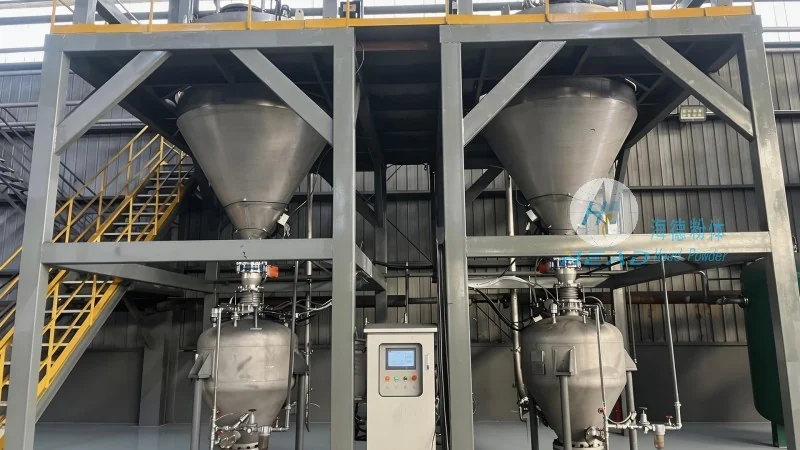
The working scene of zinc calcine material conveying lines is characterized by several unique features that reflect the industrial environment and process demands. Firstly, the material being conveyed is hot and abrasive, requiring specialized equipment to withstand wear and maintain structural integrity. The conveying lines are often exposed to high temperatures, sometimes exceeding 200°C, which necessitates the use of heat-resistant materials for the hopper and conveyor components. Abrasive particles in the zinc calcine can cause significant wear on the conveyor belt and idlers, so materials like rubber or composite belts are commonly used to extend the equipment's lifespan. Secondly, the system operates in dusty and potentially hazardous environments, demanding effective dust control measures. Enclosed conveyor systems and dust collection equipment are typically integrated to minimize air pollution and ensure worker safety. Thirdly, the conveying lines are part of a continuous production workflow, requiring seamless coordination with other units such as crushers, grinders, and smelting furnaces. The design must account for the varying flow rates and particle sizes, ensuring that the conveying capacity matches the output of upstream units. This integration is crucial for maintaining the overall efficiency of the zinc processing plant. Lastly, the system operates continuously, often 24/7, to support the production schedule. This continuous operation demands high reliability and minimal maintenance, as any downtime can significantly impact production output and profitability.
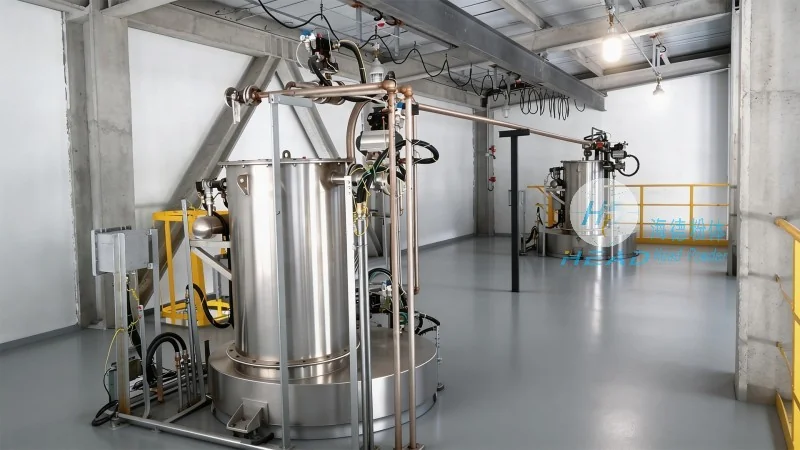
Zinc calcine material conveying lines are widely utilized in zinc mining and processing facilities across various regions, including North America, Europe, and Asia. Their primary application is in the transportation of calcined zinc ore from roasting or calcination units to smelting or refining operations. This process is a critical step in converting raw zinc ore into a form suitable for further processing, enabling the production of high-purity zinc products used in various industries, such as automotive, construction, and electronics. The efficiency of these conveying lines directly impacts the overall productivity and cost-effectiveness of zinc production. By ensuring consistent and reliable material flow, the conveying systems help reduce operational costs associated with material handling and minimize material loss. Additionally, the design and maintenance of these lines contribute to the sustainability of zinc production by optimizing material usage and reducing environmental impact. For example, efficient conveying reduces the need for additional energy consumption and minimizes dust emissions, aligning with global environmental standards. The impact of these systems extends beyond individual plants, as they support the broader zinc industry's ability to meet global demand for zinc products.
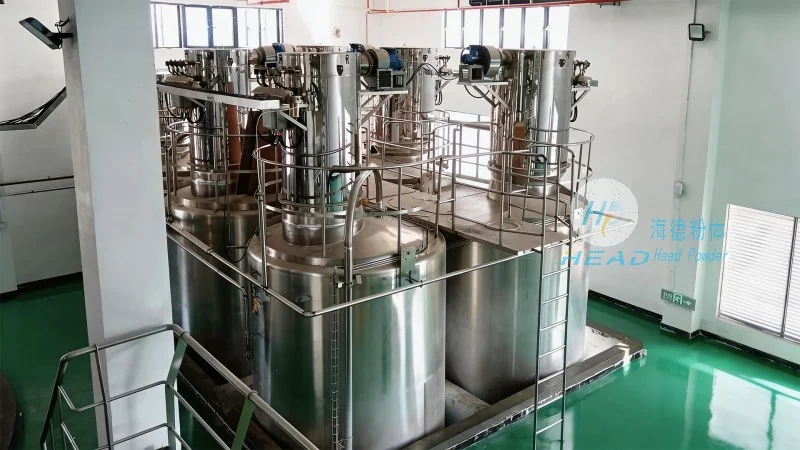
Shandong HeadPowder Engineering Co., Ltd., operating under the brand name headpowder, is a reputable engineering company specializing in the design and manufacturing of mineral processing equipment. Headpowder has established itself as a leading provider of material handling solutions, including zinc calcine material conveying lines, for the global zinc processing industry. The company's headquarters and main manufacturing facilities are located in Shandong, China, where it leverages a strong industrial base and skilled workforce to develop high-quality products. Headpowder's team comprises experienced engineers, technicians, and project managers who work closely with clients to understand their specific needs and provide tailored solutions. The company adheres to international quality standards, such as ISO 9001, ensuring that all products meet or exceed industry expectations. Headpowder's commitment to innovation is evident in its continuous research and development efforts, which focus on improving the performance, durability, and efficiency of its conveying systems. By combining technical expertise with customer-centric approaches, headpowder has built a strong reputation for delivering reliable and cost-effective solutions that enhance the productivity of zinc processing facilities worldwide.

 Shandong Headpowder Engineering Co., Ltd.
 156-6277-7102(Manager Zhang)
  0531-83386006
  Zhangqiu District, Jinan City, Shandong Province, China
telephone
WeChatconsult
top