With more than 10‑year industry experience, Shandong Headpowder delivers full‑service pneumatic‑conveying systems and blowers, undertaking nationwide turn‑key powder‑handling projects.
HeadPowder, a leading engineering company based in Shandong, China, specializes in the design and implementation of efficient material handling systems tailored for magnesium hydroxide applications. This article explores the fundamental principles behind these systems and highlights the key characteristics of their operational environments.
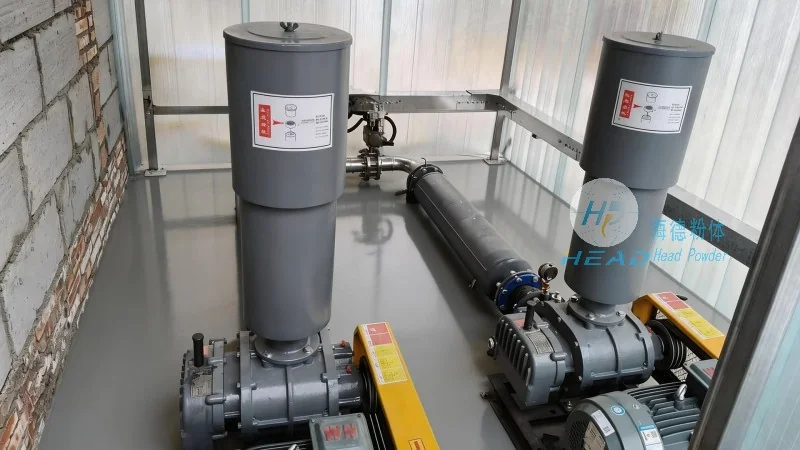
Magnesium hydroxide (Mg(OH)₂) is a widely used industrial material known for its high thermal stability and excellent flame retardancy. When handling this material, specialized systems are required to ensure safety, efficiency, and product integrity. The primary principles of a magnesium hydroxide material handling system revolve around controlling dust generation, maintaining consistent material flow, and protecting equipment from corrosion or degradation. These systems typically incorporate advanced technologies such as sealed conveyor belts, dust suppression mechanisms, and precise control systems to manage the material's handling challenges.
The operational environments where magnesium hydroxide material handling systems are deployed exhibit distinct characteristics that influence system design and performance. One of the most critical aspects is the material's hygroscopic nature, which means it can absorb moisture from the air, potentially affecting its flow properties and stability. Therefore, systems often include moisture control measures, such as enclosed storage and humidity regulation, to maintain optimal material conditions. Additionally, the material's abrasive properties require robust equipment components, like high-quality belts and wear-resistant liners, to minimize wear and extend operational life. Environmental factors, including temperature variations and exposure to chemicals, also play a role in determining the system's durability and effectiveness. For instance, in industrial settings where magnesium hydroxide is processed for flame retardant applications, the system must be capable of handling large volumes while maintaining product purity and preventing cross-contamination.
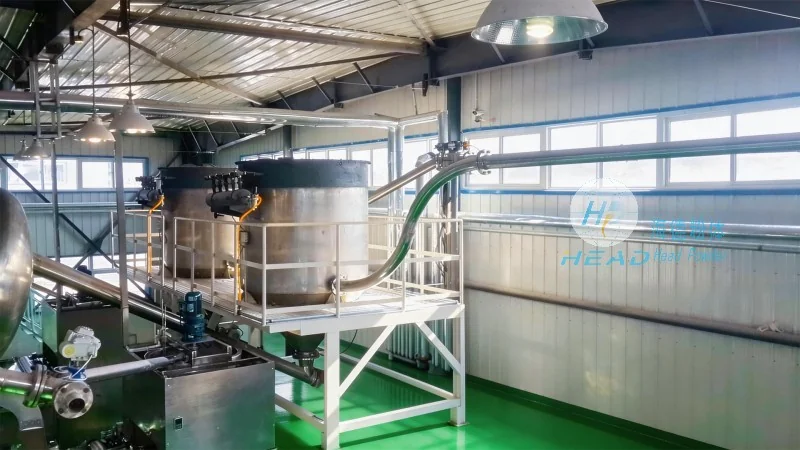
Magnesium hydroxide material handling systems are integral to various industries, including plastics, rubber, and construction, where the material is used as a flame retardant additive. The systems are designed to integrate seamlessly with existing production lines, ensuring smooth material transfer from storage to processing units. This integration is crucial for maintaining production efficiency and meeting stringent quality standards. In the plastics industry, for example, the system must deliver magnesium hydroxide to extrusion lines at a consistent rate, which is achieved through precise control of conveyor speeds and material feed mechanisms. The ability to handle bulk quantities while minimizing dust and maintaining product quality is essential for manufacturers seeking to enhance their product performance and safety compliance.
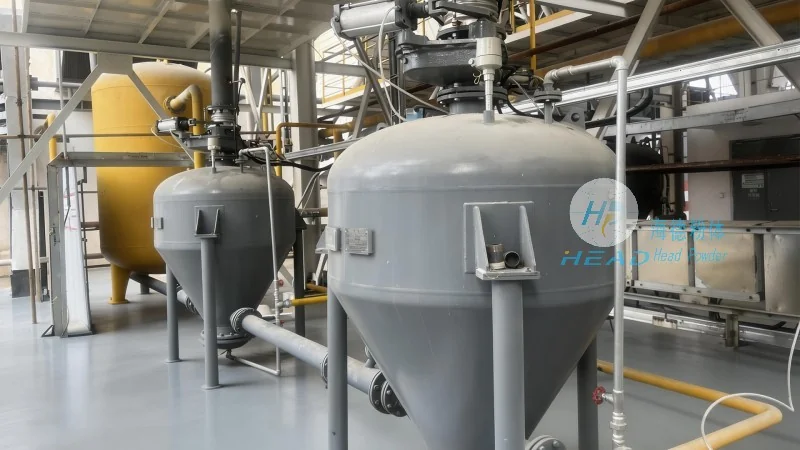
Modern magnesium hydroxide material handling systems offer several advantages over traditional methods, primarily through the adoption of advanced engineering solutions. One notable innovation is the use of automated control systems that monitor and adjust parameters in real-time, such as material flow rate and dust levels, to optimize performance. These systems also incorporate safety features, including emergency stop mechanisms and dust extraction units, to protect operators and the environment. The use of sealed and enclosed designs reduces the risk of dust exposure and contamination, aligning with industry safety regulations. Furthermore, the integration of energy-efficient components, such as variable speed drives, helps reduce operational costs while maintaining system reliability. The result is a more sustainable and cost-effective solution for handling magnesium hydroxide, which is increasingly important in today's industrial landscape.
HeadPowder's expertise in designing and implementing magnesium hydroxide material handling systems reflects a deep understanding of the material's properties and the challenges of its handling. By adhering to rigorous engineering principles and incorporating innovative technologies, these systems provide reliable and efficient solutions for industries relying on magnesium hydroxide. As demand for flame retardant materials continues to grow, the importance of advanced material handling systems will only increase, making them a critical component of modern industrial operations. With a strong presence in Shandong, China, HeadPowder remains committed to delivering high-quality solutions that meet the evolving needs of its clients.

 Shandong Headpowder Engineering Co., Ltd.
 156-6277-7102(Manager Zhang)
  0531-83386006
  Zhangqiu District, Jinan City, Shandong Province, China
telephone
WeChatconsult
top