With more than 10‑year industry experience, Shandong Headpowder delivers full‑service pneumatic‑conveying systems and blowers, undertaking nationwide turn‑key powder‑handling projects.
HeadPowder, a leading enterprise in the field of material handling technology, specializes in the design, manufacturing, and application of pneumatic conveying systems. These systems represent a sophisticated solution for the efficient transport of bulk materials, combining advanced engineering principles with practical operational capabilities. This article delves into the fundamental principles underlying such equipment and explores the diverse working scenarios where they are applied, providing a comprehensive overview for professionals and industry stakeholders.
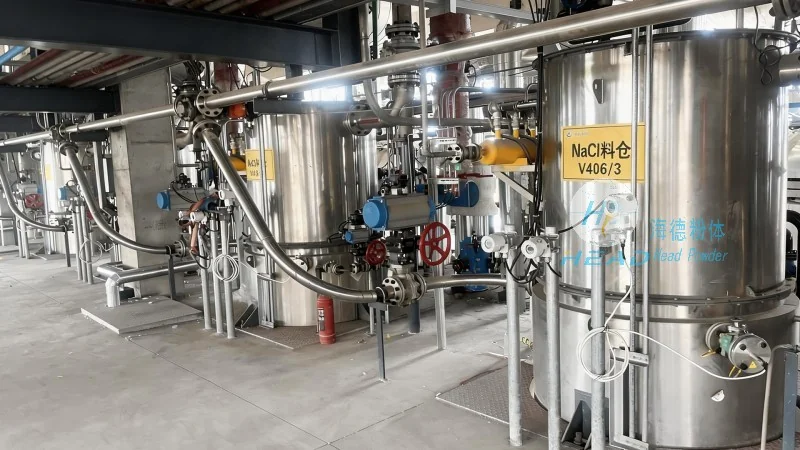
At the heart of pneumatic conveying systems lies the principle of utilizing air or gas as a medium to transport solid materials. Unlike traditional mechanical conveying methods, which rely on mechanical components like belts or screws, pneumatic systems employ pressure differentials or vacuum to move materials through a pipeline. The process typically involves feeding the material into a hopper, where it is then introduced into a pipeline in conjunction with air. By controlling the flow rate of air and the material feed rate, the system ensures a smooth and continuous transport process. The key components of a pneumatic conveying system include the hopper, feeder, pipeline, and receiver, each playing a critical role in the overall operation. The system can operate under either positive pressure (where air is forced through the pipeline) or negative pressure (where a vacuum is created to draw material into the system), offering flexibility based on the specific material characteristics and application requirements.
The application of pneumatic conveying systems spans a wide range of industries and operational environments, each presenting unique challenges and opportunities. Understanding the working scene characteristics is essential for selecting the appropriate system configuration and ensuring optimal performance. The following scenarios highlight the versatility and adaptability of these systems:
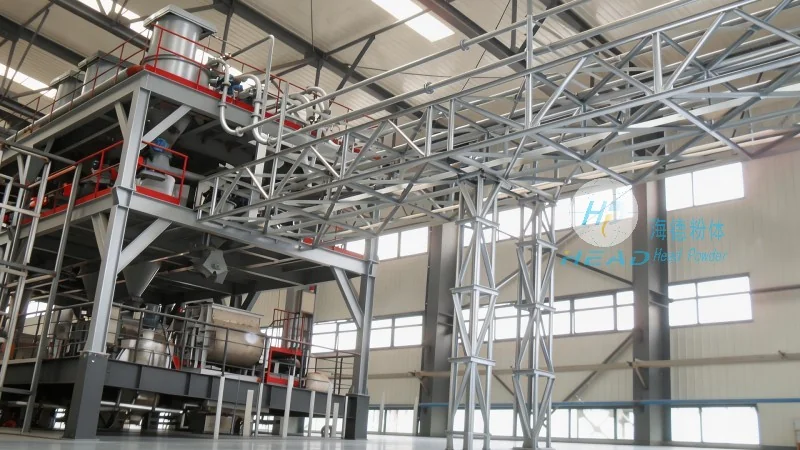
In industrial manufacturing settings, pneumatic conveying systems are widely used for transporting raw materials and finished products. For example, in the chemical industry, these systems efficiently handle powders and granules, such as chemicals, pigments, and pharmaceuticals, ensuring a clean and dust-free transfer process. The ability to maintain a controlled environment, free from contamination, is a significant advantage in sectors where product purity is critical. Additionally, in food processing facilities, pneumatic conveying is employed to transport ingredients like flour, sugar, and spices, adhering to strict hygiene standards. The systems can be designed with sanitary components, ensuring compliance with regulatory requirements. In manufacturing plants, the systems also facilitate the transfer of bulk materials between processing stages, enhancing overall production efficiency and reducing labor costs associated with manual handling.
Construction and infrastructure projects often require the transportation of large quantities of bulk materials, such as sand, gravel, and cement. Pneumatic conveying systems are particularly effective in these applications due to their ability to handle abrasive materials and operate over long distances. The systems can be integrated into construction sites to transport materials from storage areas to mixing plants or directly to the work area, minimizing the need for heavy machinery and reducing site congestion. The flexibility of pneumatic systems allows for easy reconfiguration as project requirements change, making them suitable for both large-scale infrastructure development and smaller construction tasks. Moreover, the systems can operate in various environmental conditions, including outdoor sites, without compromising performance, providing a reliable solution for material transport in challenging construction environments.
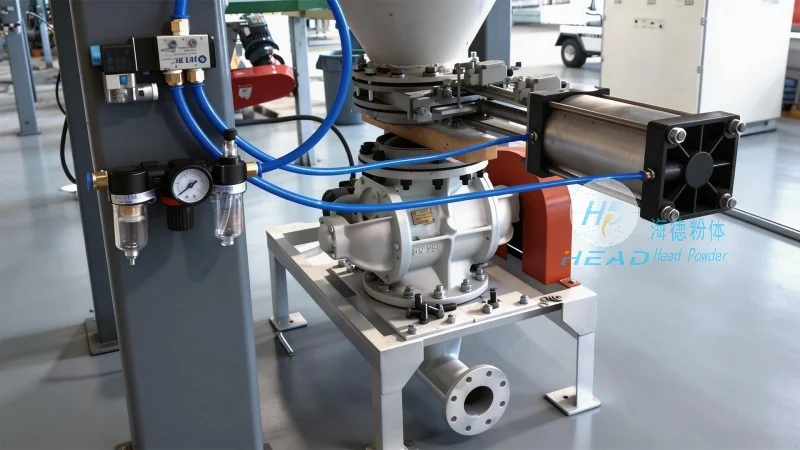
In environmental and waste management applications, pneumatic conveying systems play a crucial role in the handling of waste materials and recyclables. These systems are used to transport solid waste from collection points to processing facilities, facilitating the separation and recycling of materials. The ability to handle heterogeneous waste streams, including paper, plastic, and organic matter, makes pneumatic systems an ideal choice for waste management operations. The systems can be designed with specialized components to prevent clogging and ensure efficient transport of waste materials, reducing the risk of blockages and downtime. Additionally, the systems contribute to environmental sustainability by minimizing the use of vehicles for waste transport, thereby reducing emissions and traffic congestion in urban areas. The integration of pneumatic conveying into waste management processes enhances the efficiency of recycling programs and supports the broader goals of waste reduction and resource recovery.
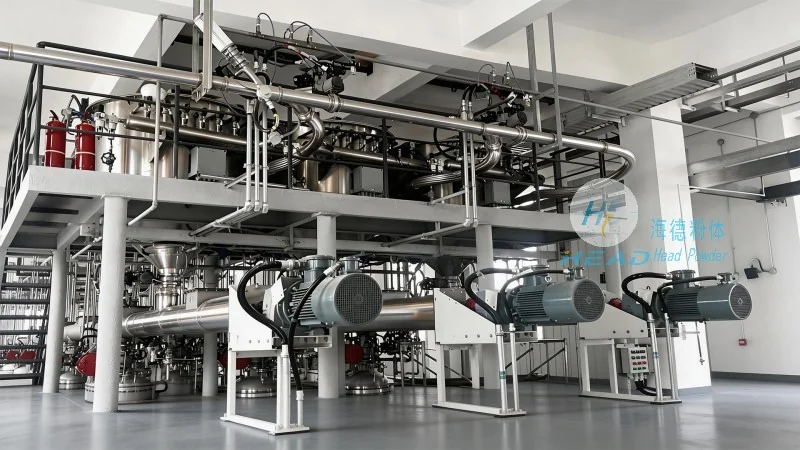
The pharmaceutical and food processing industries demand high standards of cleanliness and safety in material handling. Pneumatic conveying systems are extensively used in these sectors to transport active pharmaceutical ingredients (APIs), food additives, and other sensitive materials. The systems are designed with stainless steel components and sealed pipelines to prevent contamination and maintain product integrity. The use of positive pressure systems in these applications ensures that the materials are not exposed to external contaminants, while the controlled environment minimizes the risk of cross-contamination between different products. Furthermore, the systems can be equipped with filtration and cleaning mechanisms to maintain a sterile environment, which is essential for pharmaceutical and food production. The ability to handle fine powders and granules without degradation or loss is a key advantage, ensuring that the quality of the end products is not compromised during the transport process.
While pneumatic conveying systems offer numerous benefits, it is important to consider certain factors when selecting and implementing such equipment. The advantages of these systems include high efficiency in material transport, reduced labor costs, and the ability to handle a wide range of materials. The systems can operate over long distances and through multiple turns, making them suitable for complex layouts. Additionally, the systems are relatively compact and can be integrated into existing facilities, minimizing the need for extensive site modifications. However, the selection of the appropriate system type (positive pressure or negative pressure) and design parameters is critical to ensure optimal performance. Factors such as material properties, particle size, moisture content, and flow rate must be carefully evaluated to determine the most suitable configuration. Furthermore, the maintenance of pneumatic systems requires regular inspection and cleaning to prevent clogging and ensure consistent performance. Proper training of operators and adherence to safety protocols are also essential to mitigate risks associated with high-pressure air systems.

 Shandong Headpowder Engineering Co., Ltd.
 156-6277-7102(Manager Zhang)
  0531-83386006
  Zhangqiu District, Jinan City, Shandong Province, China
telephone
WeChatconsult
top