With more than 10‑year industry experience, Shandong Headpowder delivers full‑service pneumatic‑conveying systems and blowers, undertaking nationwide turn‑key powder‑handling projects.
For industrial operations that require efficient and reliable bulk material handling, pneumatic conveying systems have emerged as a critical solution. These systems, particularly those designed for loading and unloading applications, leverage air pressure to transport dry or semi-dry materials such as powders, granules, and bulk solids. The core principle of such systems involves the use of a fan or blower to generate airflow, which then propels the material through a pipeline network. This method offers advantages like minimal maintenance, reduced contamination risk, and the ability to handle a wide range of materials without the need for mechanical components like belts or buckets.
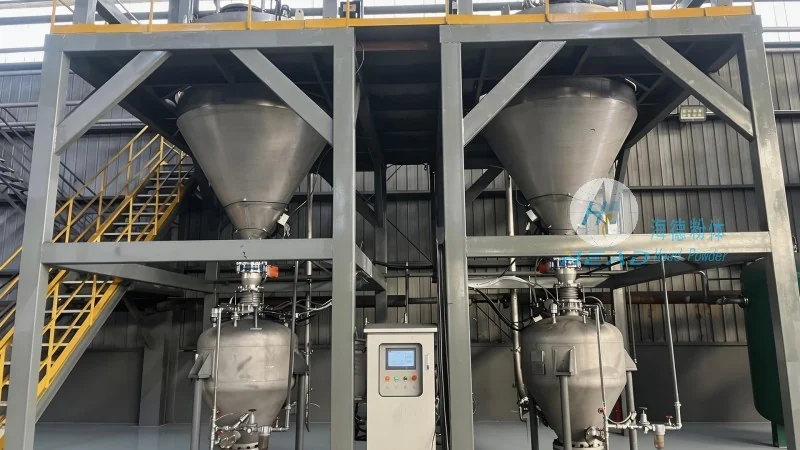
The fundamental operation of a loading and unloading pneumatic conveying system is based on the principle of air movement. In a typical setup, a material is introduced into a hopper or feeder, where it is then drawn into a pipeline by the force of the moving air. The system can operate under either positive pressure (where air is forced into the material) or negative pressure (where air is drawn from the material). The choice between these modes depends on the material properties, the distance to be conveyed, and the desired flow rate. Positive pressure systems are often preferred for long-distance or high-volume applications, as they can maintain consistent pressure and prevent material backflow. Negative pressure systems, on the other hand, are suitable for applications where dust control is a priority, as they draw air and material from the source, reducing the risk of dust dispersion.
Several key components work in tandem to ensure the smooth operation of a pneumatic conveying system. The primary components include the air compressor or fan, which generates the necessary airflow; the hopper or feeder, which stores and meters the material; the pipeline network, which transports the material from the source to the destination; and the receiver or discharge hopper, which collects the material at the end of the line. Additionally, filters and cyclones are often integrated to separate the material from the air, ensuring that the material is delivered in a clean, dry state. The selection of these components is critical, as their performance directly impacts the system's efficiency and reliability.
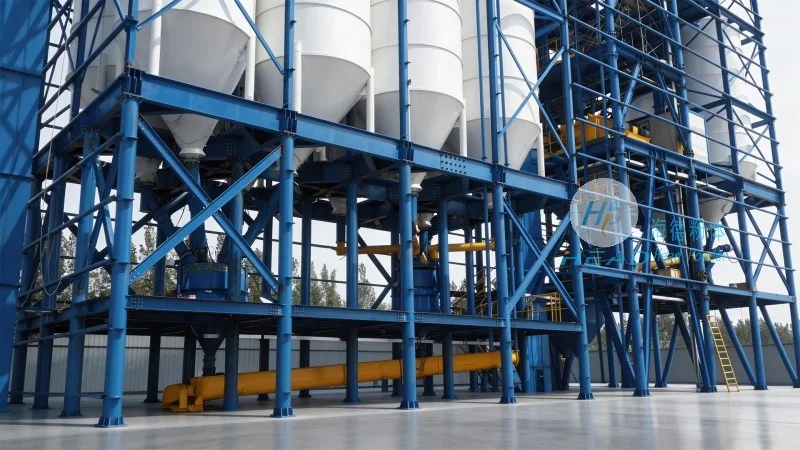
The working scene characteristics of pneumatic conveying systems are defined by their adaptability to various industrial environments and material types. These systems are widely used in industries such as chemicals, food processing, pharmaceuticals, and construction materials. For example, in the chemical industry, they are used to transport powders like cement, limestone, and chemicals, while in the food industry, they handle ingredients like flour, sugar, and spices. The flexibility of these systems allows them to be integrated into existing facilities or designed as standalone solutions, making them suitable for both new installations and retrofits.
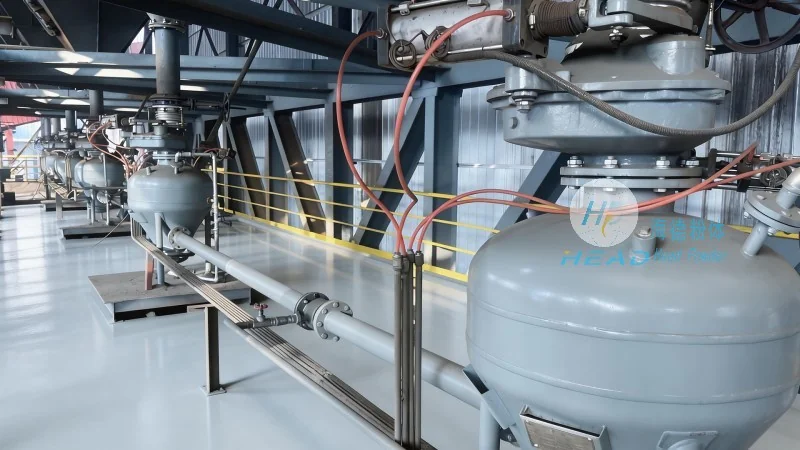
When evaluating pneumatic conveying systems for specific working scenarios, several factors must be considered. The system's design must account for the material's density, flowability, and dustiness to ensure optimal performance. For instance, cohesive materials may require additional agitation or a different hopper design to prevent blockages. The distance and elevation changes between the loading and unloading points also influence the system's design, as these factors affect the required air pressure and power consumption. Furthermore, the system's ability to handle variations in material feed rate is crucial for maintaining consistent operation, especially in high-demand applications.
Shandong HeadPowder Engineering Co., Ltd., a leading provider of bulk material handling solutions, specializes in designing and manufacturing pneumatic conveying systems tailored to diverse industrial needs. With operations based in Shandong, China, the company has extensive experience in implementing systems that meet the specific requirements of clients across various sectors. Their systems are engineered to deliver high efficiency, reliability, and durability, ensuring that they can withstand the rigors of continuous operation in demanding industrial environments. By focusing on the working scene characteristics of each application, HeadPowder ensures that their solutions are optimized for performance and longevity.

 Shandong Headpowder Engineering Co., Ltd.
 156-6277-7102(Manager Zhang)
  0531-83386006
  Zhangqiu District, Jinan City, Shandong Province, China
telephone
WeChatconsult
top