With more than 10‑year industry experience, Shandong Headpowder delivers full‑service pneumatic‑conveying systems and blowers, undertaking nationwide turn‑key powder‑handling projects.
HeadPowder, a leading enterprise in the field of material handling solutions, specializes in the design, manufacturing, and installation of advanced pneumatic conveying systems. This article provides an in-depth exploration of the principles underlying silica powder pneumatic conveying systems and highlights the key characteristics of their operational environments.
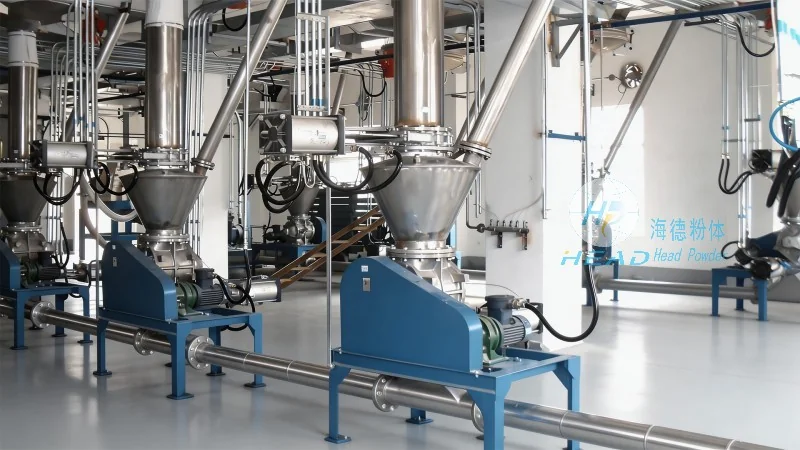
Silica powder, a common industrial material used in various applications such as construction, glass manufacturing, and chemical processing, requires efficient and reliable transport methods to ensure smooth production workflows. Pneumatic conveying systems offer a solution by utilizing air pressure to move powders through pipelines, eliminating the need for mechanical components like conveyors or elevators. The core principle of these systems involves creating a flow of air that carries the powder particles, maintaining a consistent and controlled transport process. This method not only enhances operational efficiency but also reduces the risk of material contamination and damage during transport.
The operation of a silica powder pneumatic conveying system is based on the fundamental principle of fluid dynamics and particle transport. The system typically consists of a blower or compressor that generates a high-pressure air stream. This air is then introduced into a pipeline, where it creates a pressure differential that draws the silica powder into the system. The powder particles are suspended in the air stream and transported to the destination point. The efficiency of the system depends on several critical factors, including air velocity, particle size distribution, and the system's pressure drop. Proper design ensures that the air velocity is sufficient to keep the powder in suspension without causing excessive wear on the system components. Additionally, the system's pressure drop must be managed to maintain optimal energy consumption and transport efficiency.
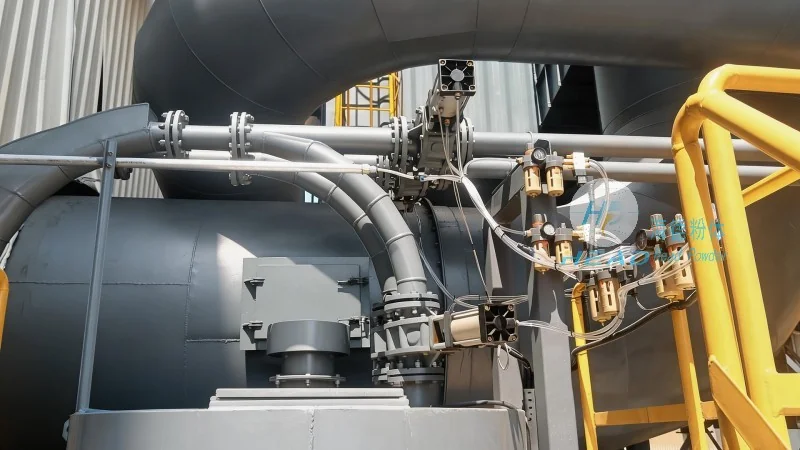
The operational environment of silica powder pneumatic conveying systems is characterized by several distinct features that influence their performance and application. First, the systems are designed to handle fine powders with high efficiency, minimizing dust generation and ensuring product integrity. This is crucial in industries where contamination or loss of material could impact product quality, such as in the production of high-purity glass or pharmaceuticals. Second, the systems are often integrated into existing production lines, requiring flexibility and adaptability to accommodate varying production rates and material types. This integration allows for seamless operation and reduces downtime during material changes. Third, the operational conditions, such as temperature and humidity, must be carefully managed to prevent material degradation or system corrosion. For instance, in environments with high humidity, the system may include drying or moisture control components to maintain the quality of the silica powder and prevent clumping or clogging in the pipelines.
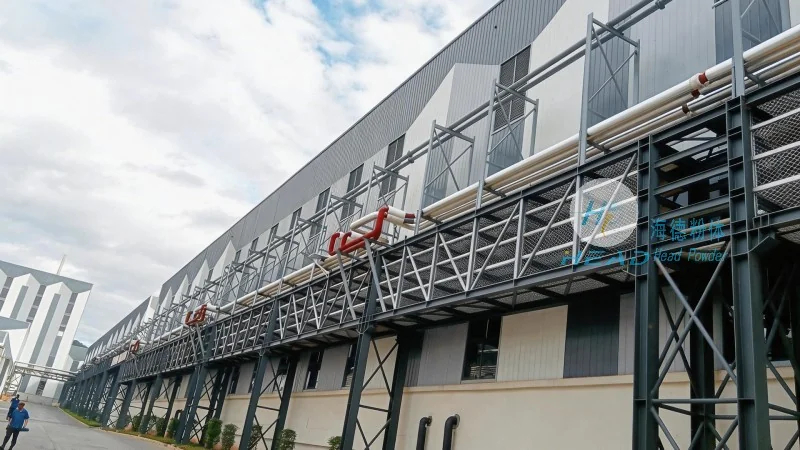
Silica powder pneumatic conveying systems are widely used in various industrial settings, including large-scale manufacturing facilities and processing plants. In these scenarios, the systems offer several advantages over traditional transport methods. One key advantage is the ability to transport materials over long distances with minimal maintenance. The absence of moving parts reduces the risk of mechanical failure and simplifies maintenance procedures, leading to lower operational costs and increased system reliability. The systems can also handle high volumes of material, making them suitable for continuous production processes that demand consistent material flow. Another advantage is the reduced risk of product contamination, as the enclosed pipeline system prevents dust from escaping into the environment. This is particularly important in industries where product purity is critical, such as food processing or chemical manufacturing. Furthermore, the systems provide a safer working environment by eliminating the need for manual handling of powders, reducing the risk of respiratory issues or other health hazards associated with fine dust exposure.
HeadPowder Engineering Co., Ltd., based in Shandong, China, is a reputable manufacturer specializing in the development of advanced pneumatic conveying systems for silica powder and other industrial materials. The company's expertise lies in designing systems that meet the specific needs of clients, ensuring optimal performance and reliability. By leveraging cutting-edge technology and adhering to strict quality standards, HeadPowder provides solutions that enhance operational efficiency and product quality in various industrial applications. The principles and characteristics discussed in this article underscore the importance of proper system design and operational management in achieving successful pneumatic conveying of silica powder. With a strong commitment to innovation and customer satisfaction, HeadPowder continues to be a trusted partner in the material handling industry, delivering high-performance systems that meet the evolving demands of modern industrial production.

 Shandong Headpowder Engineering Co., Ltd.
 156-6277-7102(Manager Zhang)
  0531-83386006
  Zhangqiu District, Jinan City, Shandong Province, China
telephone
WeChatconsult
top