With more than 10‑year industry experience, Shandong Headpowder delivers full‑service pneumatic‑conveying systems and blowers, undertaking nationwide turn‑key powder‑handling projects.
HeadPowder, a leading manufacturer based in Shandong, China, specializes in the design and production of advanced pneumatic conveying systems tailored for various industrial applications. This article delves into the core principles of ferric sulfate pneumatic conveying equipment and highlights the key characteristics of its operational environments.
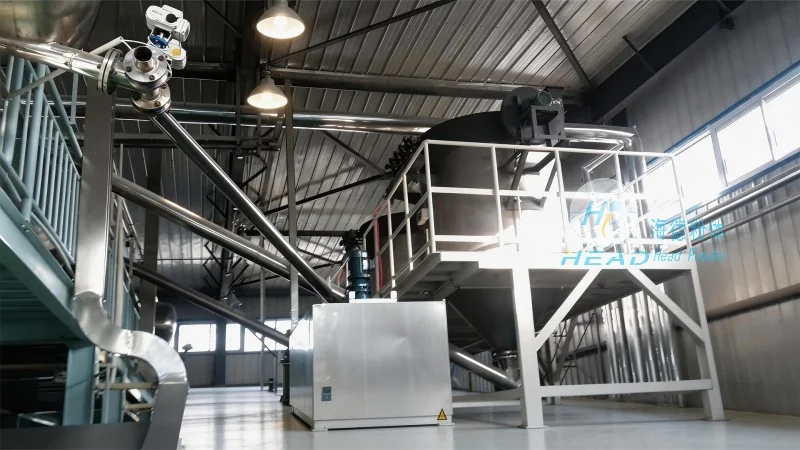
Shandong HeadPowder Engineering Co., Ltd., operating under the brand name HeadPowder, is a reputable enterprise dedicated to providing high-quality industrial solutions. With a strong presence in the region, the company leverages its technical expertise and years of experience to develop innovative pneumatic conveying systems. The company’s commitment to precision engineering ensures that each system is tailored to meet the specific demands of clients, particularly in handling materials like ferric sulfate, which requires specialized handling due to its chemical properties and handling requirements.
Ferric sulfate pneumatic conveying systems operate on the fundamental principle of using air or gas to transport solid particles through a pipeline. This method, known as pneumatic conveying, is particularly effective for materials such as ferric sulfate, which are often used in water treatment, chemical manufacturing, and other industrial processes. The system typically consists of a hopper, a blower or compressor, a pipeline network, and a discharge point. The process begins when the material is fed into the hopper, where it is then drawn into the pipeline by the airflow generated by the blower. The air velocity is carefully controlled to ensure that the particles are suspended and transported efficiently without causing blockages or excessive wear on the system components. This principle allows for a continuous, closed-loop operation that minimizes material exposure to the environment and reduces the risk of dust contamination.
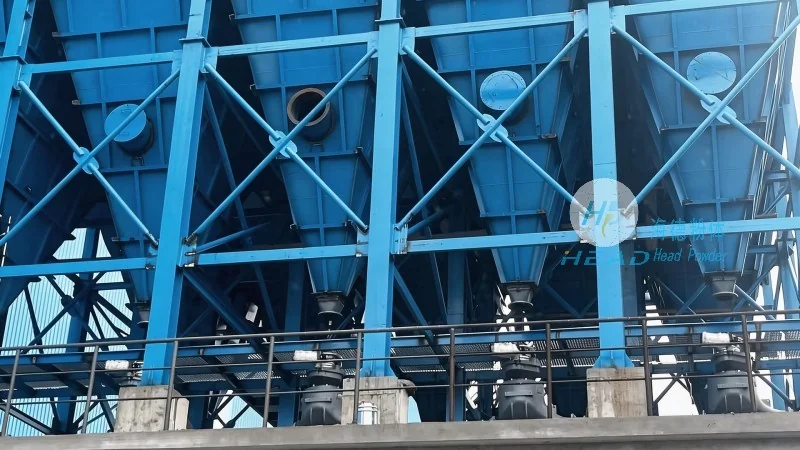
The operational environment of ferric sulfate pneumatic conveying systems is characterized by several critical features that influence their performance and effectiveness. Firstly, the system is designed for high efficiency in material transfer, capable of moving large quantities of ferric sulfate over significant distances with minimal energy consumption compared to traditional methods like belt conveyors or manual handling. This efficiency is crucial in industrial settings where material throughput is a key performance indicator. Secondly, the system offers enhanced safety and environmental protection. By maintaining a closed system, it prevents dust emissions, which are a common issue with traditional bulk material handling methods. This not only improves workplace safety but also complies with environmental regulations, making it an attractive solution for industries operating under strict environmental standards. Thirdly, the system provides flexibility in application. Ferric sulfate, being a fine powder, can be challenging to handle due to its tendency to agglomerate or create dust clouds. The pneumatic conveying system addresses these challenges by using controlled air flow to maintain the material in a suspended state, ensuring smooth and consistent transport. Additionally, the system can be integrated with other processing equipment, such as mixers or reactors, allowing for seamless material transfer from one stage of production to the next. This integration capability enhances overall production efficiency and reduces downtime associated with material handling.

When deploying ferric sulfate pneumatic conveying systems, several factors must be considered to ensure optimal performance. The first is the material’s physical properties, such as particle size, density, and moisture content. Ferric sulfate typically consists of fine particles, and the system must be designed to handle these characteristics without causing blockages or excessive pressure drops. The second consideration is the system’s pressure and flow rate requirements. The blower or compressor must be capable of generating sufficient air pressure to transport the material over the desired distance, while maintaining a flow rate that prevents material settling in the pipeline. The third factor is the system’s durability and maintenance requirements. Since ferric sulfate can be abrasive, the pipeline and other components must be constructed from materials resistant to corrosion and wear, such as stainless steel or specialized coatings. Regular maintenance, including cleaning and inspection of the pipeline and blower, is essential to ensure long-term reliability and prevent system failures. Finally, the system’s integration with existing infrastructure must be carefully planned to minimize disruption to ongoing operations. This includes ensuring that the pipeline layout is optimized for the facility’s layout and that the system can be easily connected to existing storage or processing equipment.
In conclusion, the ferric sulfate pneumatic conveying system developed by HeadPowder represents a sophisticated solution for the efficient and safe handling of this critical industrial material. By leveraging the principles of pneumatic conveying, the system offers significant advantages in terms of efficiency, safety, and environmental compliance. The working scene characteristics, including its ability to handle fine powders, maintain a closed system, and integrate with other processing equipment, make it a versatile solution for various industrial applications. With its strong engineering background and commitment to quality, HeadPowder continues to provide reliable and effective solutions for clients in need of advanced material handling systems.

 Shandong Headpowder Engineering Co., Ltd.
 156-6277-7102(Manager Zhang)
  0531-83386006
  Zhangqiu District, Jinan City, Shandong Province, China
telephone
WeChatconsult
top