

Principle and Working Scene Characteristics of Molybdenum Oxide Pneumatic Conveying System Equipment
HeadPowder, a leading engineering company based in Shandong, China, specializes in the design and manufacturing of advanced pneumatic conveying systems for various industrial applications. This article explores the fundamental principles behind molybdenum oxide pneumatic conveying equipment, as well as the key characteristics of its operational environments.
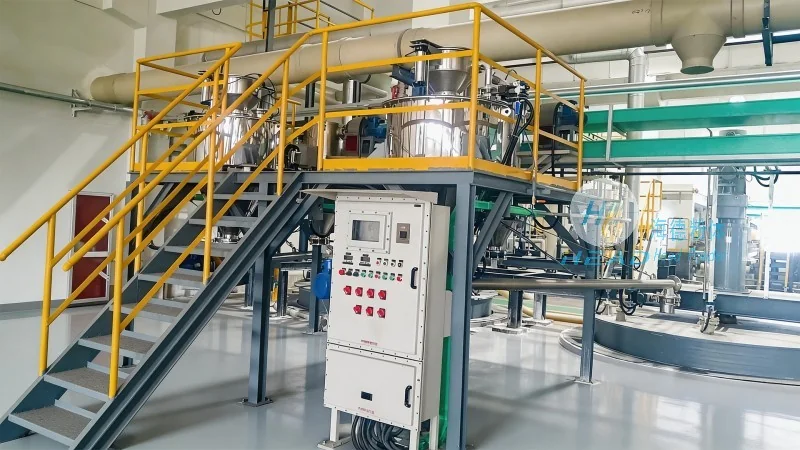
Introduction to Molybdenum Oxide Pneumatic Conveying Systems
Molybdenum oxide (MoO₃) is a high-value chemical compound widely used in the production of molybdenum alloys, catalysts, and other specialized materials. The efficient and safe transportation of molybdenum oxide is critical to maintaining production efficiency and product quality. Pneumatic conveying systems offer a reliable solution for handling this material, particularly in environments where traditional mechanical conveyors may pose challenges due to the material's properties.
Principle of Pneumatic Conveying for Molybdenum Oxide
The core principle of a molybdenum oxide pneumatic conveying system is the use of compressed air or other gas to transport the material through a pipeline. The system typically consists of a hopper, a feeder, a conveying line, and a receiver. The material is fed from the hopper into the conveying line, where it is entrained by the high-velocity air stream. The air and material mixture travels through the pipeline, and the material is then separated from the air in the receiver, often through a cyclone or other separation device.
Key components of the system include the air compressor, which provides the necessary pressure and flow rate; the air filter and dryer, which ensure the air quality is suitable for conveying the material without causing contamination or degradation; and the control system, which regulates the flow rate and pressure to maintain optimal conveying conditions. The design of the system must account for the specific physical and chemical properties of molybdenum oxide, such as its particle size distribution, density, and moisture content, to ensure efficient and safe transport.
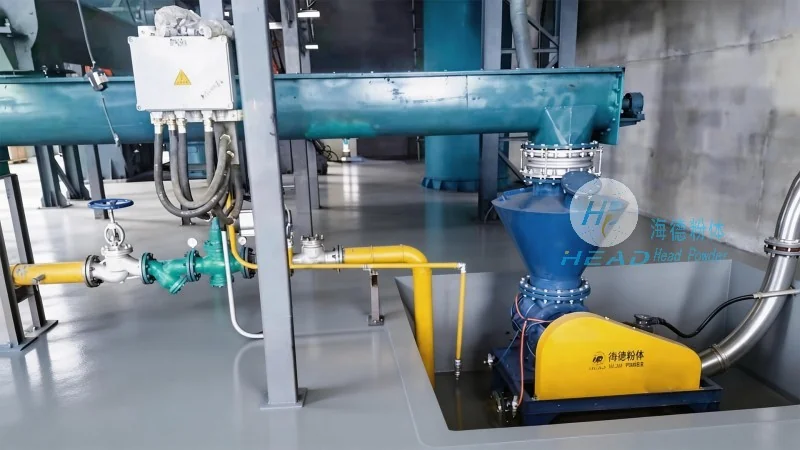
Working Scene Characteristics of Molybdenum Oxide Pneumatic Conveying Systems
The operational environment of molybdenum oxide pneumatic conveying systems is characterized by several key factors that influence system performance and reliability. These include the need for high-purity air to prevent contamination of the material, the requirement for precise control of air flow and pressure to avoid material degradation or blockages, and the importance of maintaining a consistent material feed rate to ensure smooth operation.
One of the primary working scene characteristics is the need for a clean and controlled environment. Molybdenum oxide is a fine powder, and any contamination from external sources can compromise its quality and performance. Therefore, the system must be designed with sealed components and proper filtration to minimize the risk of contamination. Additionally, the conveying line and other components must be constructed from materials that are compatible with molybdenum oxide, such as stainless steel or specialized plastics, to prevent corrosion or chemical reactions.
Another important characteristic is the system's ability to handle varying material conditions. Molybdenum oxide can be produced in different particle sizes and moisture levels, which can affect the conveying efficiency. The system must be equipped with adjustable feeders and air flow controls to accommodate these variations and maintain consistent performance. This adaptability is crucial for maintaining production continuity and minimizing downtime.
Application Scenarios and Operational Advantages
Molybdenum oxide pneumatic conveying systems are commonly used in various industrial settings, including chemical plants, metallurgical facilities, and research laboratories. The primary advantages of using such systems include the ability to transport the material over long distances without the need for intermediate storage or handling, reduced labor costs due to automated operation, and improved safety by minimizing direct human contact with the material.
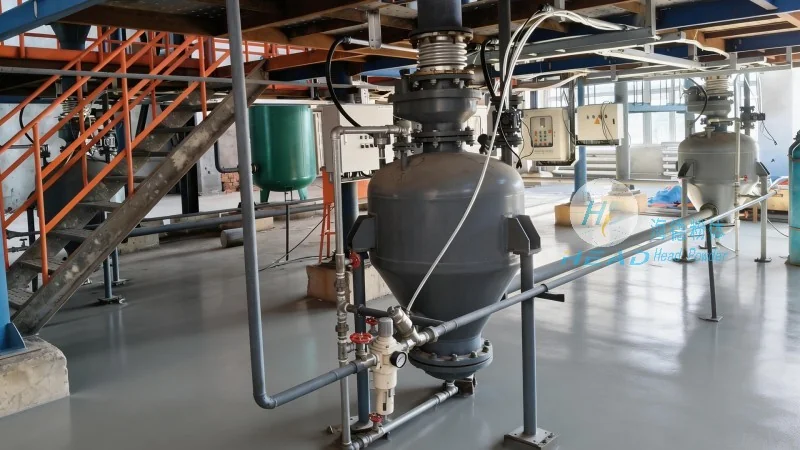
In chemical plants, the system is often used to transport molybdenum oxide from storage silos to processing units, such as reactors or reactors for further chemical reactions. The high-purity air and sealed system design ensure that the material remains uncontaminated and meets the stringent quality standards required for downstream processes. In metallurgical facilities, the system may be used to convey molybdenum oxide to furnaces or other equipment for alloy production, where the material's purity and consistency are critical to the final product quality.
Research laboratories also benefit from the use of molybdenum oxide pneumatic conveying systems, as they allow for precise and controlled handling of small quantities of the material for experimental purposes. The system's ability to maintain consistent material flow and purity is essential for accurate experimental results and reproducibility.
Conclusion
Molybdenum oxide pneumatic conveying systems represent a sophisticated and efficient solution for handling high-value chemical materials. The principles of pneumatic transport, combined with specialized design considerations for molybdenum oxide, ensure reliable and safe operation in various industrial environments. As a leading provider of such systems, HeadPowder continues to innovate and improve its products to meet the evolving needs of the industry, providing customers with reliable and high-performance solutions for their material handling requirements.