With more than 10‑year industry experience, Shandong Headpowder delivers full‑service pneumatic‑conveying systems and blowers, undertaking nationwide turn‑key powder‑handling projects.
Polycrystalline silicon, a critical component in the photovoltaic industry, demands efficient and reliable material handling solutions for its production processes. Pneumatic conveying systems, particularly those engineered for polycrystalline silicon, offer a robust method to transport bulk materials with precision and minimal contamination. This article delves into the fundamental principles of polycrystalline silicon pneumatic conveying lines and highlights the key characteristics of their operational environments.
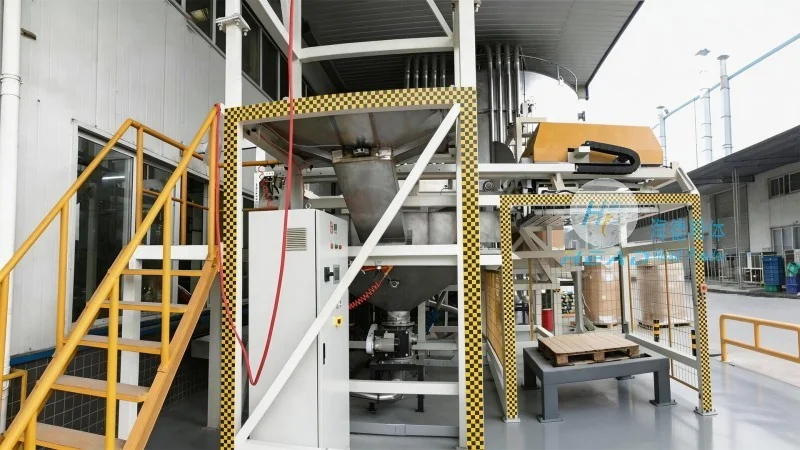
Pneumatic conveying operates by moving material particles within a pressurized or vacuumed air stream. For polycrystalline silicon, these systems typically function under positive pressure, where air is forced through a pipeline to transport the silicon powder. The core principle involves creating a consistent airflow that lifts and propels the material through the system. Key components include a blower or compressor, a hopper for material storage, a conveying line, and a receiver for material discharge. The system's design ensures that the silicon particles are conveyed without excessive friction or degradation, preserving the material's quality and purity. The pressure differential between the inlet and outlet of the line dictates the conveying velocity and capacity, allowing for precise control over the material flow rate.
The operational environments for polycrystalline silicon pneumatic conveying lines are tailored to the specific demands of silicon production facilities. These systems are commonly integrated into large-scale manufacturing plants where high throughput and consistent material handling are paramount. The working scenes often involve multiple stages of material processing, such as raw material storage, pre-treatment, and feeding into silicon production reactors. The characteristics of these environments include:
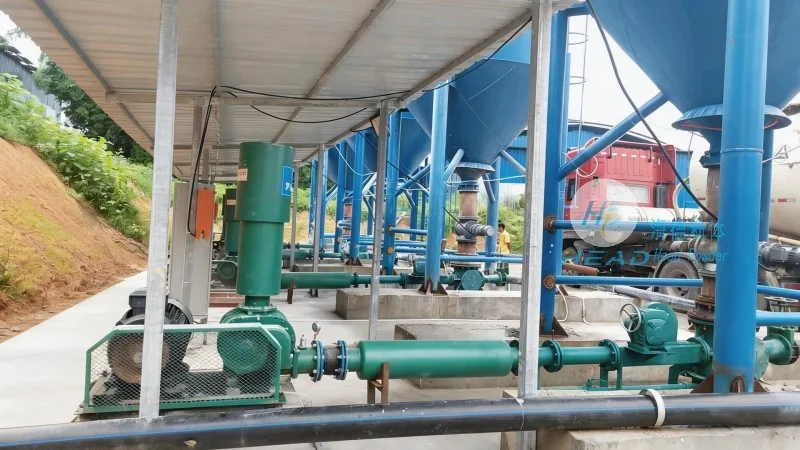
1. **Stringent Purity Standards**: Polycrystalline silicon is a high-value material used in solar cell manufacturing, making it essential to prevent contamination during transport. Pneumatic conveying systems are designed with sealed pipelines and minimal contact points to maintain material purity.
2. **Adaptable Flow Rates**: Production processes may require adjustments to the material flow rate based on reactor capacity or operational needs. The flexibility of pneumatic conveying systems allows for dynamic adjustments to meet these varying demands.
3. **Space Optimization**: In industrial settings where floor space is limited, pneumatic conveying lines are often installed vertically or horizontally to maximize space utilization. This design flexibility enables seamless integration into existing production layouts without significant structural modifications.
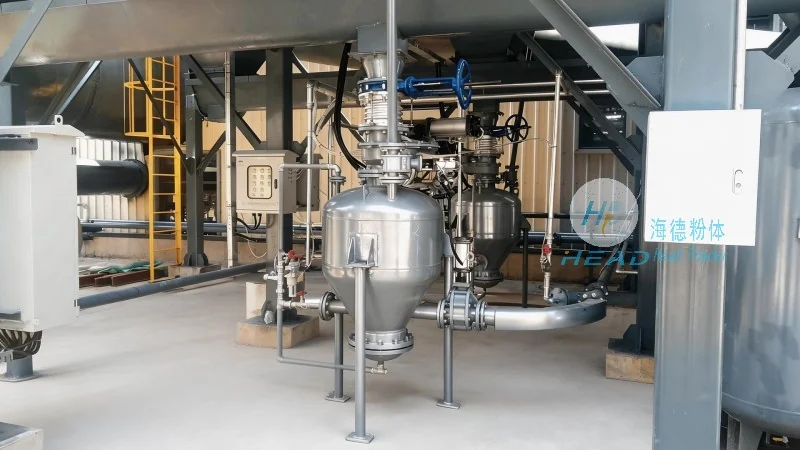
4. **Safety and Environmental Management**: The handling of silicon powder involves considerations for dust control and safety. Pneumatic systems are equipped with filtration and dust collection mechanisms to minimize airborne particulates and ensure a safe working environment for personnel.
Shandong HeadPowder Engineering Co., Ltd., operating under the brand name HeadPowder, specializes in the design, manufacturing, and installation of advanced material handling systems, including polycrystalline silicon pneumatic conveying lines. With a focus on precision engineering and customer-centric solutions, HeadPowder provides tailored systems that meet the unique requirements of the photovoltaic industry. The company's facilities are located in Shandong, China, where it leverages local expertise and resources to deliver high-quality equipment and services. HeadPowder's commitment to innovation and quality ensures that its pneumatic conveying systems are reliable, efficient, and compliant with industry standards, supporting the sustainable growth of the solar energy sector.

 Shandong Headpowder Engineering Co., Ltd.
 156-6277-7102(Manager Zhang)
  0531-83386006
  Zhangqiu District, Jinan City, Shandong Province, China
telephone
WeChatconsult
top