With more than 10‑year industry experience, Shandong Headpowder delivers full‑service pneumatic‑conveying systems and blowers, undertaking nationwide turn‑key powder‑handling projects.
HeadPowder, a leading provider of industrial conveying solutions, specializes in the design and implementation of advanced pneumatic conveying systems for silage material handling. This article explores the fundamental principles behind silage material pneumatic conveying lines and highlights the key characteristics of their operational environments. By understanding these aspects, stakeholders in the agricultural and livestock sectors can make informed decisions regarding the selection and optimization of such systems.
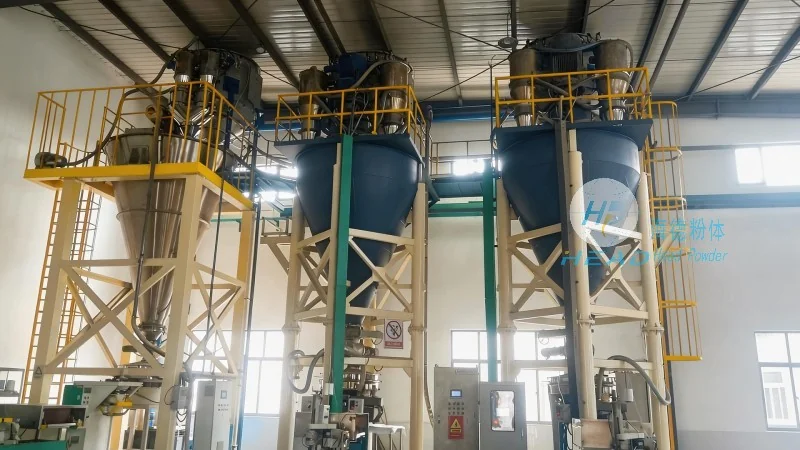
HeadPowder Engineering Co., Ltd., based in Shandong, China, is dedicated to delivering high-efficiency and reliable pneumatic conveying technologies. With years of expertise in the field, the company has developed a comprehensive range of solutions tailored to the unique challenges of silage material transportation. The company’s commitment to innovation and customer satisfaction ensures that clients receive systems that meet their specific operational needs while adhering to industry standards.
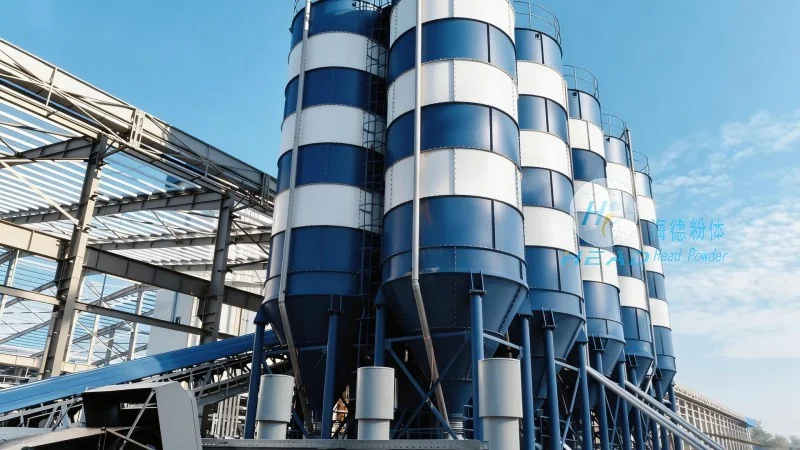
Silage material pneumatic conveying lines operate on the principle of air-based transport, where material is suspended and transported through a pipeline using a combination of air flow and pressure differentials. The process typically involves a hopper or storage silo where the silage is loaded, a blower or compressor that generates the necessary air pressure, and a pipeline network that directs the material to its destination. The key components include the material feed system, the air delivery unit, and the conveying pipeline, all of which work in concert to ensure efficient and continuous material movement. The air flow is carefully controlled to maintain the optimal velocity and pressure required to keep the silage particles suspended, preventing blockages and ensuring smooth operation. This method eliminates the need for mechanical components like belts or buckets, reducing maintenance requirements and enhancing system reliability.
The operational environments for silage material pneumatic conveying lines are characterized by several distinct features that influence system design and performance. Firstly, the material itself—silage, which is a fermented forage typically made from corn or other crops—possesses unique properties such as high moisture content and variable particle size. These characteristics affect the air flow requirements and the overall system efficiency. Secondly, the systems are often integrated into large-scale agricultural facilities, including dairy farms, feed mills, and silo storage complexes, where space optimization and integration with existing infrastructure are critical considerations. The working scenes may involve multiple stages of material handling, such as loading from a silo, transporting to a processing plant, or distributing to feeding areas, requiring flexible and adaptable conveying solutions. Additionally, the systems must operate under varying environmental conditions, including temperature fluctuations and potential dust generation, necessitating robust design and dust control measures. The operational characteristics also include considerations for material flow rates, which can range from low to high depending on the production scale, and the need for consistent and reliable delivery to downstream processes. The integration of sensors and control systems further enhances the ability to monitor and adjust the conveying process in real-time, ensuring optimal performance and minimizing downtime.
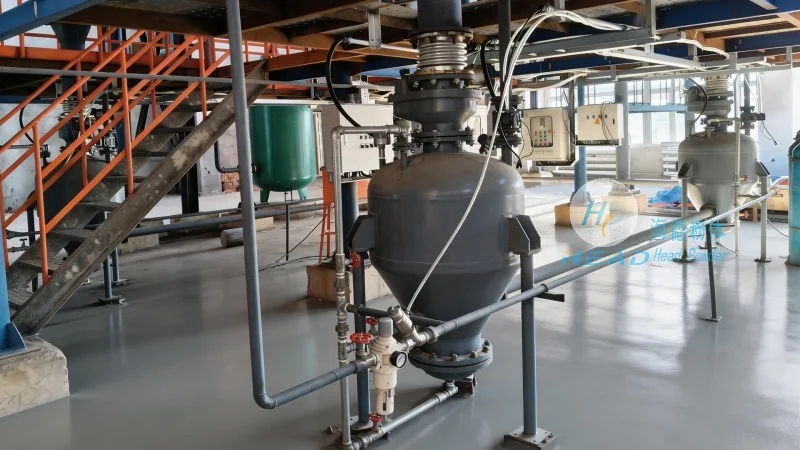
Silage material pneumatic conveying lines offer several advantages over traditional mechanical conveying methods. The primary benefit is the elimination of moving parts, which reduces maintenance costs and increases system longevity. The systems are also highly flexible, allowing for easy reconfiguration to accommodate changes in production or facility layout. Additionally, the air-based transport minimizes material degradation, preserving the nutritional value of the silage and improving feed quality. These advantages make the systems particularly suitable for applications in livestock feed production, where consistent and high-quality material delivery is essential. The systems are also used in large-scale agricultural operations where efficient material handling is critical to operational efficiency and productivity. By leveraging the principles of pneumatic conveying, HeadPowder provides solutions that enhance the overall performance of silage handling processes, contributing to improved productivity and cost-effectiveness for agricultural businesses.

 Shandong Headpowder Engineering Co., Ltd.
 156-6277-7102(Manager Zhang)
  0531-83386006
  Zhangqiu District, Jinan City, Shandong Province, China
telephone
WeChatconsult
top