With more than 10‑year industry experience, Shandong Headpowder delivers full‑service pneumatic‑conveying systems and blowers, undertaking nationwide turn‑key powder‑handling projects.
HeadPowder, a leading enterprise based in Shandong, China, specializes in the design, manufacturing, and installation of advanced pneumatic conveying systems tailored for limestone powder applications. With a strong focus on industrial efficiency and operational reliability, the company's solutions cater to diverse sectors requiring precise material handling of fine powders like limestone. This article delves into the core principles of limestone powder pneumatic conveying lines and highlights the key working scene characteristics that define their effectiveness in real-world industrial settings.
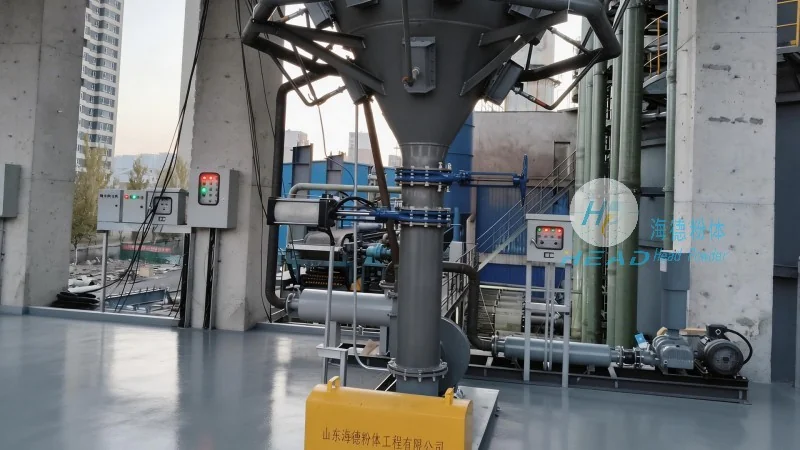
The fundamental principle behind limestone powder pneumatic conveying lines is the use of air as the medium to transport dry powders through a pipeline system. This technology, also known as pneumatic conveying, operates by creating a pressure differential or using suction to move the material from the source to the destination. For limestone powder, which is typically a fine, abrasive material, the system must be engineered to handle the specific properties of the powder, such as its particle size, density, and flow characteristics. The conveying process involves several key components: a material hopper to store the limestone powder, a feeder to control the flow rate, a compressor or vacuum pump to generate the necessary air pressure, and a pipeline network that transports the powder. The air, often mixed with the powder in a specific ratio, creates a slurry-like mixture that moves through the pipeline under pressure or suction. This method allows for continuous, automated material transport without the need for mechanical components like belts or buckets, reducing maintenance and increasing operational safety.
The effectiveness of limestone powder pneumatic conveying lines is heavily influenced by their working scene characteristics, which vary based on the specific industrial application and operational requirements. These characteristics include:
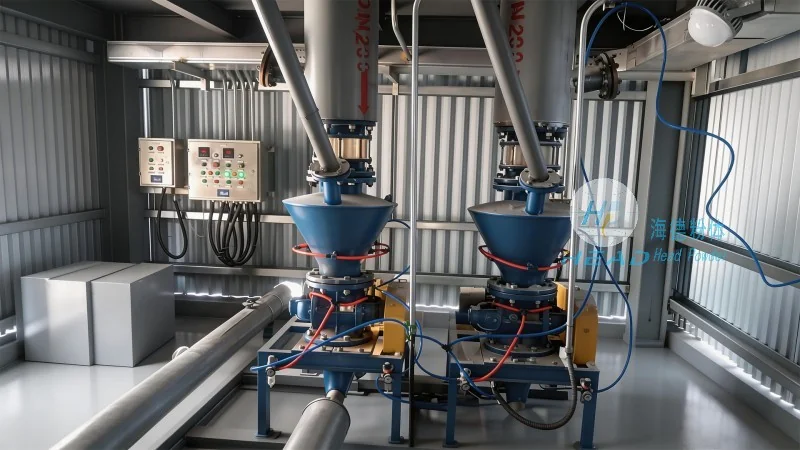
1. **Application-Specific Design**: The system is customized to meet the unique demands of limestone powder handling, whether it involves short-distance transport within a plant or long-distance transfer between facilities. The design considers factors such as the required conveying capacity, the distance between source and destination, and the need for dust control and environmental compliance.
2. **Efficiency in Material Handling**: Pneumatic conveying offers high throughput rates, allowing for the continuous movement of large volumes of limestone powder. This is particularly beneficial in industrial processes where consistent material supply is critical, such as in cement production, where limestone is a primary raw material. The system minimizes material loss and reduces downtime compared to traditional methods like bucket elevators or screw conveyors.
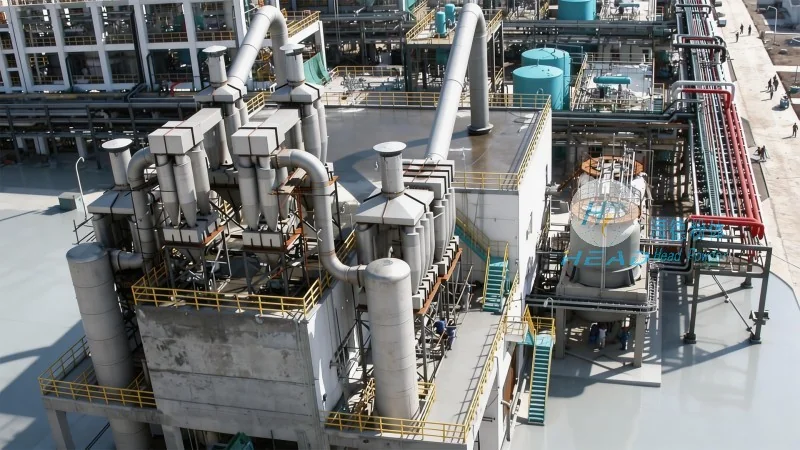
3. **Dust Control and Environmental Safety**: Limestone powder is a fine particulate that can cause dust-related issues if not properly managed. Pneumatic conveying systems incorporate dust collection and filtration systems to ensure compliance with environmental regulations and maintain a safe working environment. The enclosed pipeline design prevents dust from escaping into the atmosphere, protecting both personnel and equipment.
4. **Flexibility in Layout and Integration**: The modular nature of pneumatic conveying systems allows for easy integration with existing industrial infrastructure. The pipeline can be routed around obstacles and adapted to different plant layouts, providing flexibility in system expansion or reconfiguration. This is advantageous in facilities where space is limited or where the production process evolves over time.
5. **Reduced Maintenance and Operational Costs**: Unlike mechanical conveyors that require regular maintenance for moving parts, pneumatic conveying systems have fewer components that wear out. The absence of belts, chains, or buckets reduces the risk of breakdowns and lowers long-term operational costs. Additionally, the system's ability to handle abrasive materials like limestone without significant wear on components extends its service life.
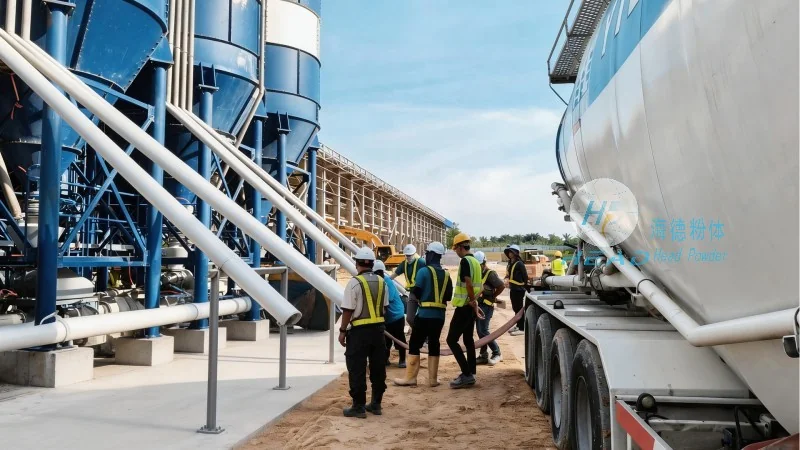
Limestone powder pneumatic conveying lines are widely used in various industrial sectors, each presenting distinct operational scenarios that highlight the system's adaptability. For instance, in cement manufacturing plants, the system efficiently transports limestone from storage silos to the raw material preparation area, ensuring a steady supply of raw material for the production process. In mining operations, the technology is employed to move limestone from extraction sites to processing facilities, overcoming the challenges of transporting fine powders over long distances. Additionally, in chemical and pharmaceutical industries, where limestone is used as a filler or raw material, the system provides a hygienic and controlled method of material transport, minimizing contamination risks.
Shandong HeadPowder Engineering Co., Ltd. plays a pivotal role in advancing the technology and application of limestone powder pneumatic conveying lines. By leveraging years of experience and expertise in industrial material handling, the company delivers customized solutions that meet the specific needs of its clients. The principles and working scene characteristics discussed above underscore the efficiency, reliability, and adaptability of pneumatic conveying systems, making them an ideal choice for industries requiring precise and safe transport of limestone powder. As a trusted partner in the field, HeadPowder continues to innovate and provide cutting-edge solutions that enhance operational performance and environmental compliance in limestone powder handling applications.

 Shandong Headpowder Engineering Co., Ltd.
 156-6277-7102(Manager Zhang)
  0531-83386006
  Zhangqiu District, Jinan City, Shandong Province, China
telephone
WeChatconsult
top